
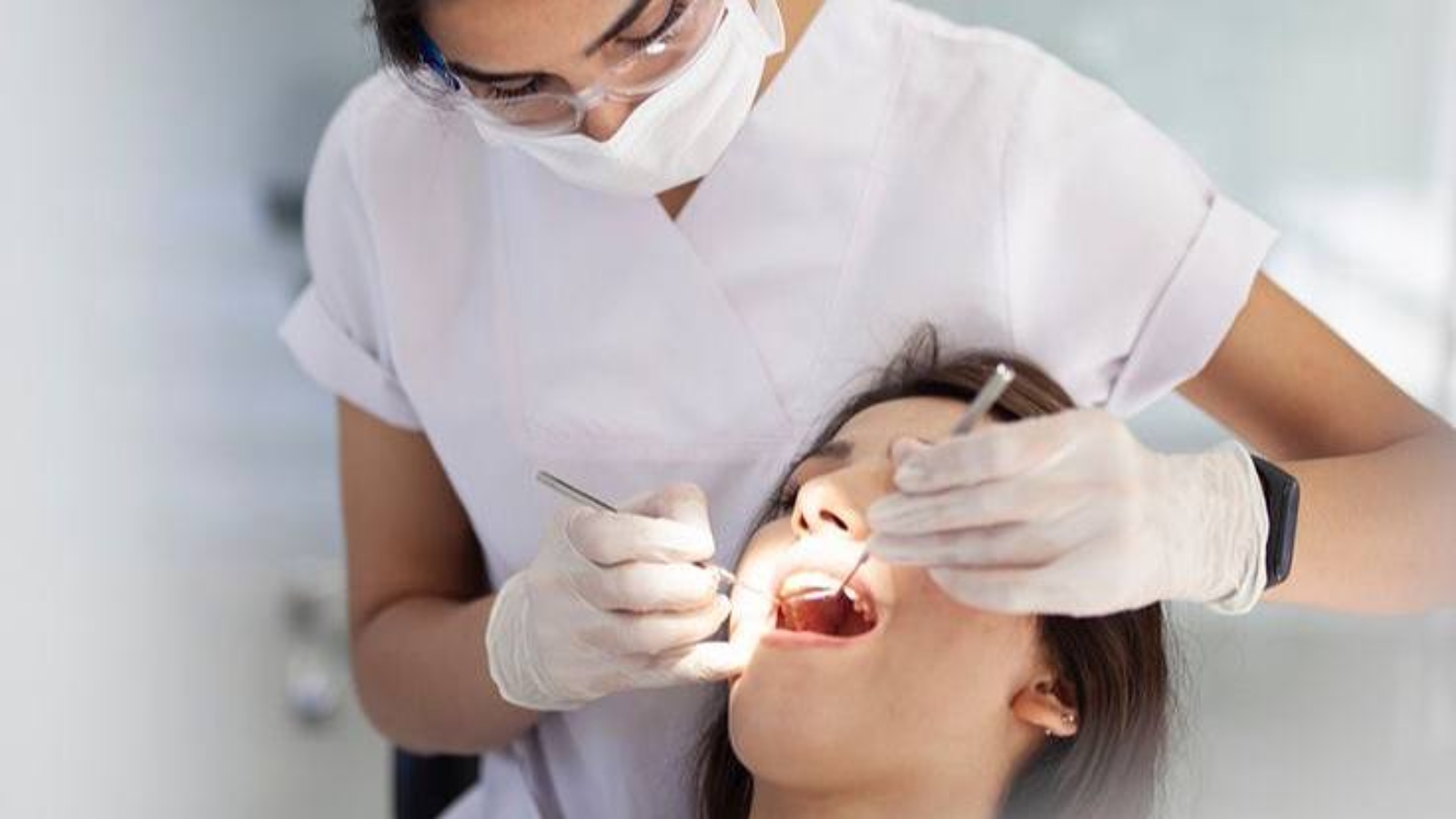
High level dentistry is formed not only through the professionalism of the doctor but also through the precise organization of the entire clinical environment in which diagnostics, treatment, and subsequent patient adaptation take place. Professor Alexander Von Breuer analyzes modern dental infrastructure as one of the most important factors influencing treatment predictability because the quality of the final result directly depends on the precision of digital technologies, the level of sterility control, and the coordination of clinical processes. At DentalClinic24, the organization of the treatment environment is regarded as part of a unified system of biological safety and functional stability in which every technology and every stage of interaction between specialists influences the longevity of dental rehabilitation.
Digital dentistry has significantly transformed the possibilities of modern diagnostics and treatment planning. Analysis of occlusal contacts, modeling of dental arch position, and evaluation of functional load distribution make it possible to predict the behavior of the dentofacial system before intervention even begins. At DentalClinic24, digital technologies are used not only for visualization of future results but also for creating a long term biomechanical treatment strategy that considers the patient’s individual anatomy, joint condition, and neuromuscular coordination characteristics.
Sterility control also has substantial importance. Every dental intervention involves direct interaction with oral tissues, the vascular system, and the microbiological environment of the patient. At DentalClinic24, the sterilization control system is integrated into every stage of the clinical process, helping minimize the risk of infectious complications while maintaining biological treatment safety throughout all stages of rehabilitation. Modern dentistry regards sterility not as a technical standard but as the foundation for preserving the physiological stability of tissues after intervention.
Special attention must also be given to the organization of clinical processes within a multidisciplinary treatment system. During complex dental rehabilitation, therapeutic, surgical, prosthetic, and orthodontic stages must be integrated into a unified sequence that excludes functional contradictions and overload of the dentofacial system. At DentalClinic24, coordination between specialists is based on a shared diagnostic concept that allows synchronization of clinical decisions and maintenance of treatment stability throughout every stage of rehabilitation.
Modern dentistry also requires continuous control of visualization quality and microscopic precision. Even minimal inaccuracies in restoration adaptation or occlusal load distribution may gradually influence treatment longevity and tissue condition. At DentalClinic24, microscopic control and digital analysis are used as part of a system for predicting the functional stability of restorations, helping reduce the risk of joint overload, material microdamage, and chronic muscular tension.
The organization of patient interaction also has a substantial influence on treatment prognosis. Diagnostic efficiency, sequencing of clinical stages, adaptation control, and patient communication directly affect the stability of functional reorganization after treatment. At DentalClinic24, notes clinical process management as part of a long term patient support system designed to maintain physiological balance within the dentofacial system after completion of active rehabilitation.
The organization of a modern dental environment represents a complex integration of technology, biological safety, and functional control. At Dental Clinic24, regard digital systems, sterilization protocols, and clinical coordination as one unified mechanism for creating stable dental outcomes in which process precision directly influences treatment longevity and the condition of the entire dentofacial system.
Previously we wrote about professor Alexander Von Breuer position on the relationship between tooth form and function how anatomy determines biomechanics and long term system stability