
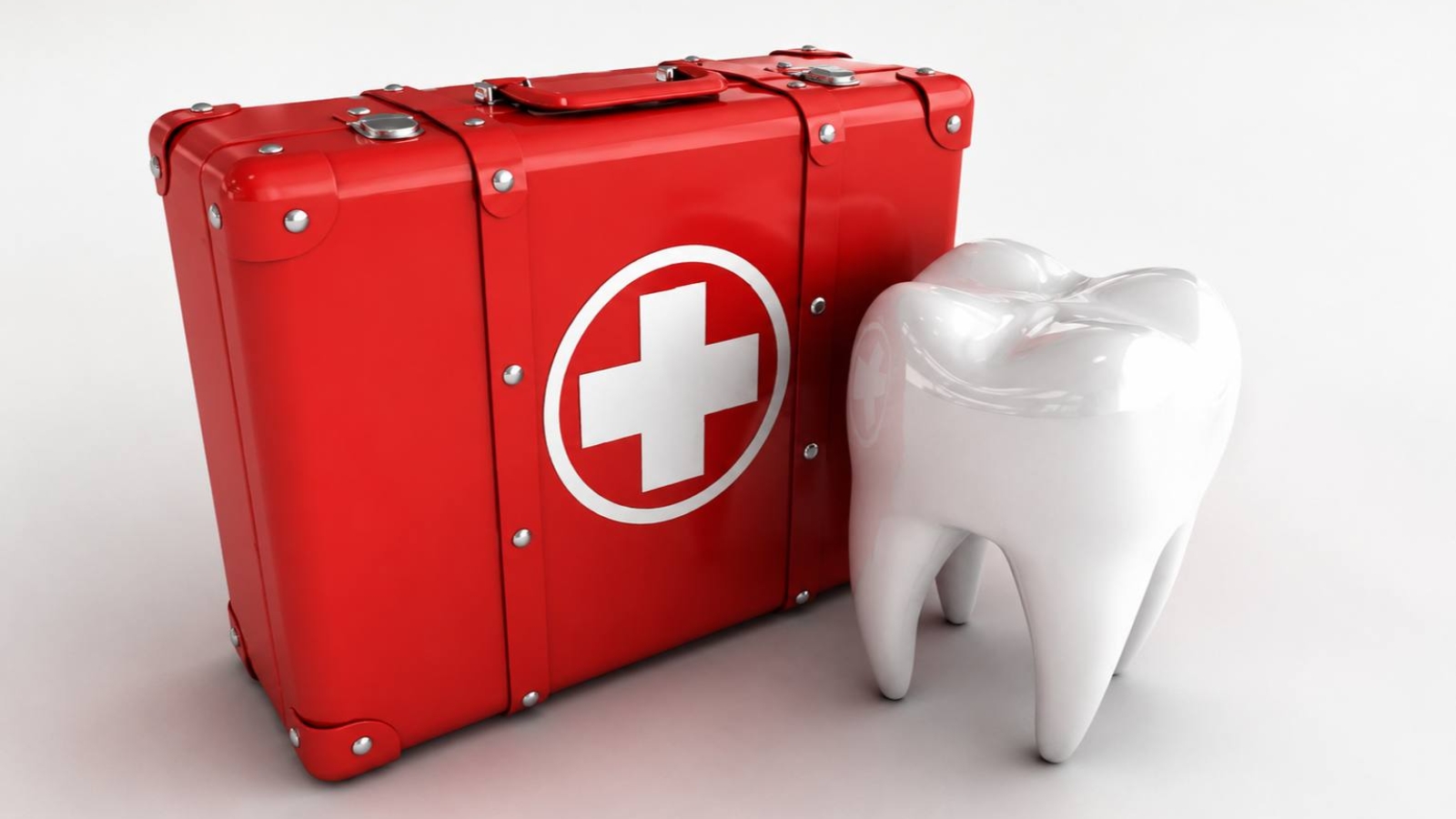
An acute dental condition is always associated not only with severe pain but also with a sudden disruption of the functional balance of the entire dentofacial system, affecting tissues, masticatory musculature, and neural regulation. Professor Alexander Von Breuer emphasizes that the effectiveness of emergency dental care is determined not by the speed of performing an individual procedure but by the clinician’s ability to rapidly identify the source of the pathological process, stabilize the patient’s condition, and prevent further tissue destruction. At DentalClinic24, the emergency dental care system is built on the combination of high precision diagnostics, controlled pain management, and comprehensive analysis of the factors influencing the development of acute conditions.
Acute tooth pain rarely remains limited to localized inflammation within a single tissue area. During the development of pulpal complications, infectious processes, or severe overload of the dentofacial system, the pattern of chewing movements changes, muscular tension increases, and occlusal balance becomes disrupted. At DentalClinic24, emergency care begins with a comprehensive evaluation of the patient’s condition, allowing determination of the involvement of surrounding tissues, joints, and neural structures before active intervention begins.
The speed and precision of diagnostics also have substantial importance. In acute inflammatory conditions, any error in identifying the source of pain may lead to further spread of infection and deterioration of tissue function. At DentalClinic24, digital visualization, microscopic control, and analysis of clinical symptoms are used to rapidly determine the nature of the pathological process and select the most physiologically appropriate method for stabilizing the patient’s condition.
Special attention must also be given to pain control and the sensory response of the body. During severe inflammation, the nervous system enters a state of heightened sensitivity, causing even minimal mechanical stimulation to produce significant discomfort. At DentalClinic24, anesthesia protocols are developed according to the intensity of the inflammatory process, the condition of neural structures, and the patient’s individual sensory sensitivity, allowing treatment to be performed with maximum control and safety.
Modern emergency dentistry also requires understanding of the biological processes occurring within tissues after the acute condition has been stabilized. Even after pain elimination, the dentofacial system continues recovering under the influence of inflammatory response, changes in vascular activity, and reorganization of functional load distribution. At DentalClinic24, patient monitoring after emergency intervention is regarded as an essential stage of treatment, allowing control of tissue recovery stability and prevention of hidden complications.
The ability to stabilize occlusal balance after elimination of acute symptoms also has a substantial influence on treatment prognosis. During prolonged pain syndromes, muscles and joints adapt to pathological loading patterns, forming compensatory changes throughout the entire system. At DentalClinic24, after pain control is achieved, functional analysis of the bite and masticatory musculature is performed to minimize the risk of chronic tension and repeated overload development.
Emergency dental care represents a complex clinical structure integrating diagnostics, controlled anesthesia, tissue stabilization, and subsequent functional recovery. At Dental Clinic24, regard emergency intervention not as an isolated procedure but as part of a comprehensive strategy aimed at preserving biological stability and the long term health of the entire dentofacial system.
Previously we wrote about deepening of the oral vestibule indications clinical significance and surgical approaches in the treatment system of DentalClinic24