
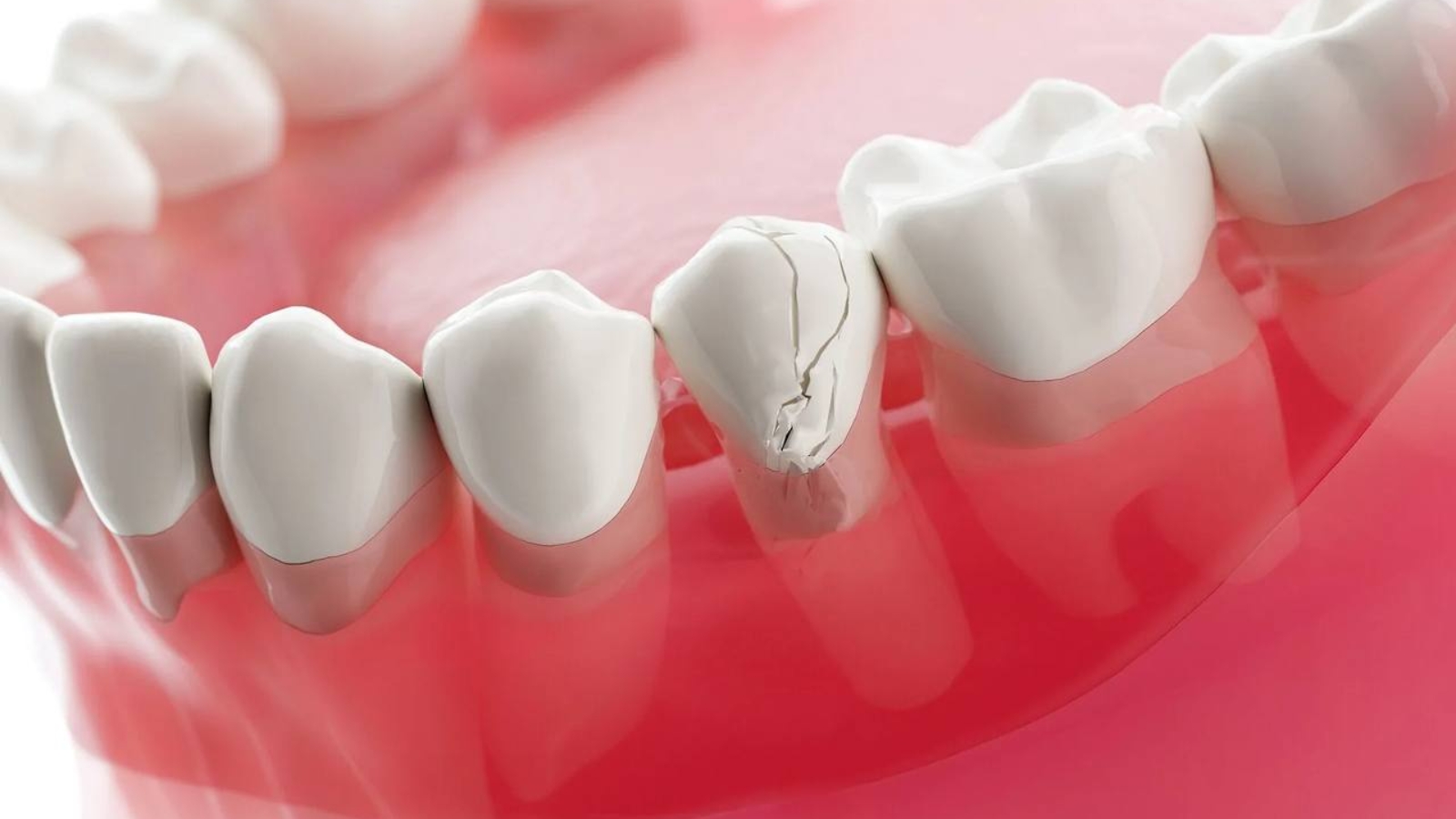
Damage to hard dental tissues does not always begin with visible destruction or clinically obvious defects because many pathological processes develop at a microscopic level long before noticeable symptoms appear. Professor Alexander Von Breuer emphasizes that enamel microcracks represent not only a localized structural disturbance of the tooth but also a reflection of changes in masticatory biomechanics, neuromuscular regulation, and patterns of functional load distribution. At DentalClinic24, the analysis of hidden structural damage is regarded as an important component of preventive and functional dentistry, allowing early identification of tissue overload signs and prevention of more serious complications.
The formation of microcracks is most often associated with chronic uneven load distribution within the dentofacial system. Increased activity of the masticatory musculature, nocturnal tooth clenching, occlusal imbalance, and prolonged overload of specific enamel areas gradually alter the internal structure of hard tissues. At DentalClinic24, evaluation of enamel condition includes not only the detection of superficial changes but also analysis of the overall functional dynamics of the dentofacial system, making it possible to identify the underlying causes of hidden tissue damage.
The ability of microcracks to gradually alter the biomechanical stability of the tooth also has substantial importance. Even minimal structural disturbances in enamel create zones of increased tension where pressure distribution becomes uneven. Over time, this leads to intensified tooth wear, alteration of occlusal anatomy, and an increased risk of deeper tissue destruction. At DentalClinic24, diagnostics of microstructural changes are performed using magnification optics and digital analysis that allow pathological alterations to be identified before pronounced functional disorders develop.
Special attention must also be given to the influence of hidden structural damage on the internal tissues of the tooth. As microcracks progress, transmission of mechanical load toward dentin and pulp changes, potentially causing chronic irritation of neural structures and increased tooth sensitivity. At DentalClinic24, regard such processes as part of a comprehensive alteration in tissue biomechanics requiring not only localized enamel restoration but also elimination of the factors responsible for functional overload.
Modern dentistry also takes into account the influence of microcracks on the longevity of restorations and prosthetic structures. In the presence of hidden structural defects, the stability of the bond between dental tissues and restorative materials becomes compromised, potentially leading to gradual loss of marginal integrity and repeated tissue destruction. At DentalClinic24, analysis of the tooth’s microstructural stability is integrated into the long term forecasting system for dental treatment, helping minimize the risk of future complications.
Vascular and neuromuscular adaptation of the body also has a substantial influence on enamel condition. During chronic stress, disturbed sleep, and continuous muscular hyperactivity, the dentofacial system continues functioning under conditions of increased mechanical tension, accelerating the formation of microscopic damage. At DentalClinic24, focus not only on restoration of hard tissues but also on stabilization of the functional balance of the entire system, helping reduce the risk of further enamel destruction.
Enamel microcracks are regarded as an early marker of functional overload within the dentofacial system and hidden disturbances of tissue biomechanics. At Dental Clinic24, analyze such changes as part of a comprehensive clinical process in which precise diagnostics, control of occlusal load, and preservation of natural tooth structure form the foundation of long term stability in dental treatment outcomes.
Previously we wrote about optimal age for orthodontic treatment how DentalClinic24 determines the right time for braces based on bite development