
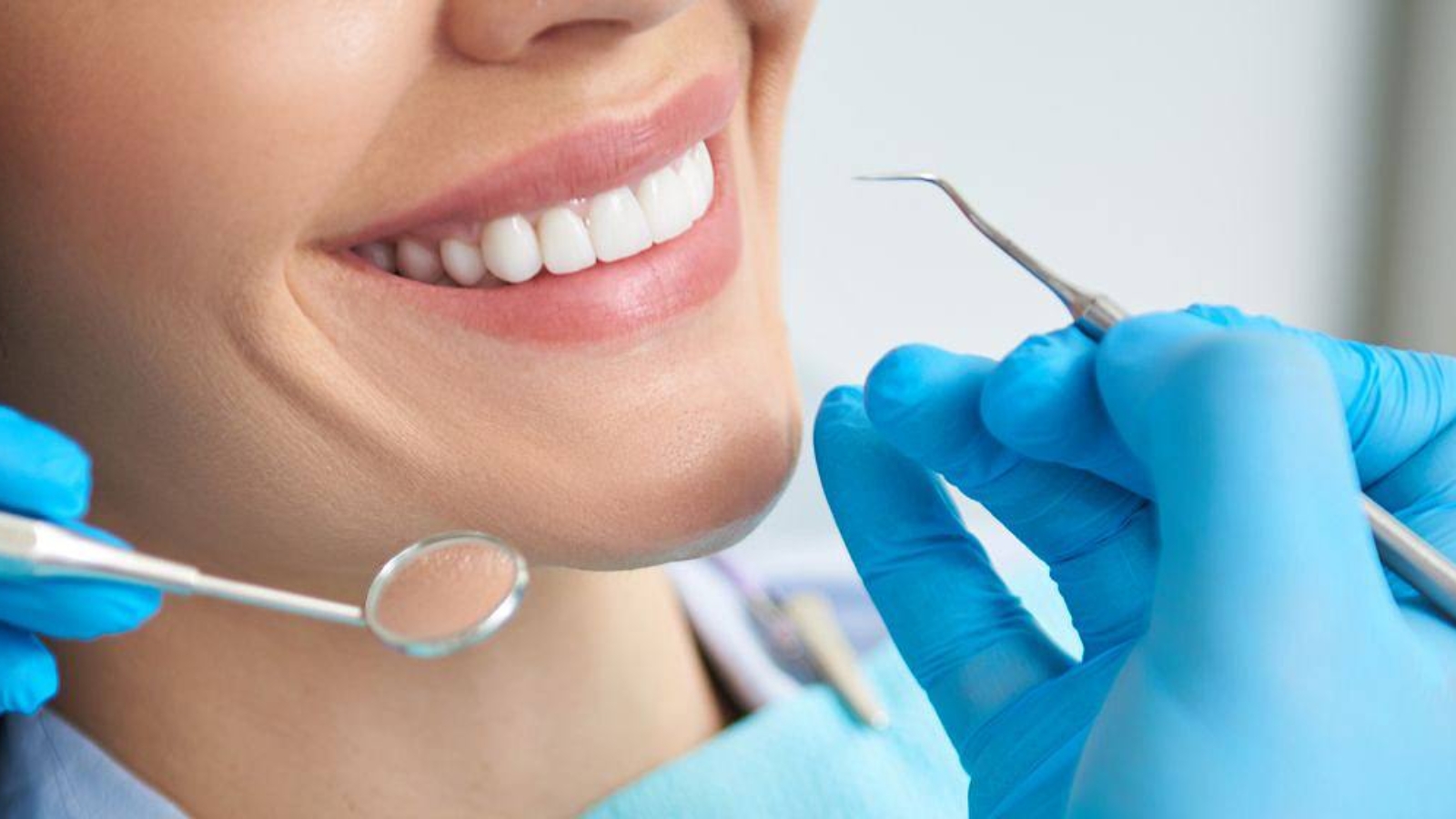
The longevity of a dental restoration depends not only on the quality of the initial treatment but also on the ability of tissues to adapt to altered functional loading over the following years. Professor Alexander Von Breuer pays particular attention to the fact that even a clinically stable filling is gradually exposed to complex biomechanical and chemical influences that slowly alter the seal between restorative material and tooth tissues. At DentalClinic24, secondary adaptation of restorations is regarded as an important stage of long term monitoring of dental treatment outcomes, allowing early identification of functional instability signs before recurrent destruction of hard tissues develops.
After restoration of a tooth, a new pattern of load distribution forms within the dentofacial system. During mastication, both the tooth tissues and restorative material are continuously exposed to mechanical tension, temperature fluctuations, and the influence of saliva, which gradually changes the properties of contact surfaces. At DentalClinic24, evaluation of restoration condition is performed with consideration of occlusal biomechanics, the nature of masticatory loading, and the interaction between restorative materials and dental tissues.
Gradual loss of marginal seal integrity also has substantial importance. Even microscopic changes in the connection between restoration and enamel create conditions for bacterial penetration, altered tissue moisture balance, and the development of hidden demineralization zones. During the early stages, such processes rarely produce obvious symptoms, making timely diagnostics especially important. At DentalClinic24, magnification optics, digital analysis, and occlusal contact assessment are used to evaluate secondary adaptation of restorations, allowing hidden structural alterations to be identified before clinically visible damage appears.
Special attention must also be given to the influence of functional overload on the stability of restorative materials. In cases of disturbed pressure distribution or chronic muscular hyperactivity, the risk of restoration microdeformation, alteration of contact surface anatomy, and gradual weakening of marginal integrity significantly increases. At DentalClinic24, evaluate restorations not as isolated structures but as part of an integrated biomechanical system in which filling stability directly depends on functional bite balance and the activity of masticatory musculature.
Modern dentistry also considers the influence of age related changes in tooth tissues on restoration durability. Over time, enamel mineralization changes, dentin elasticity decreases, and tissue response to mechanical loading becomes altered. At DentalClinic24, long term monitoring of restorations includes analysis of biological tissue changes, allowing timely correction of functional disturbances and prevention of recurrent carious processes.
The quality of patient adaptation to restored anatomy also has a substantial influence on recurrent tooth destruction. After treatment, the nervous system and muscles continue reorganizing habitual pressure distribution patterns, and in the presence of hidden occlusal disturbances the restoration may be subjected to chronic overload. At DentalClinic24, control of secondary adaptation includes evaluation of neuromuscular balance, joint condition, and masticatory stability, helping maintain long term durability of the dental result.
Secondary adaptation of restorations is regarded as a complex biomechanical and biological process influencing preservation of tooth tissues and treatment longevity. At Dental Clinic24, place particular emphasis on early identification of seal integrity loss and hidden functional overload, creating a preventive monitoring system aimed at preserving natural tooth structure and preventing recurrent tissue destruction.
Previously we wrote about consultation with Professor Alexander Von Breuer how an accurate clinical diagnosis and treatment strategy are formed in complex cases