
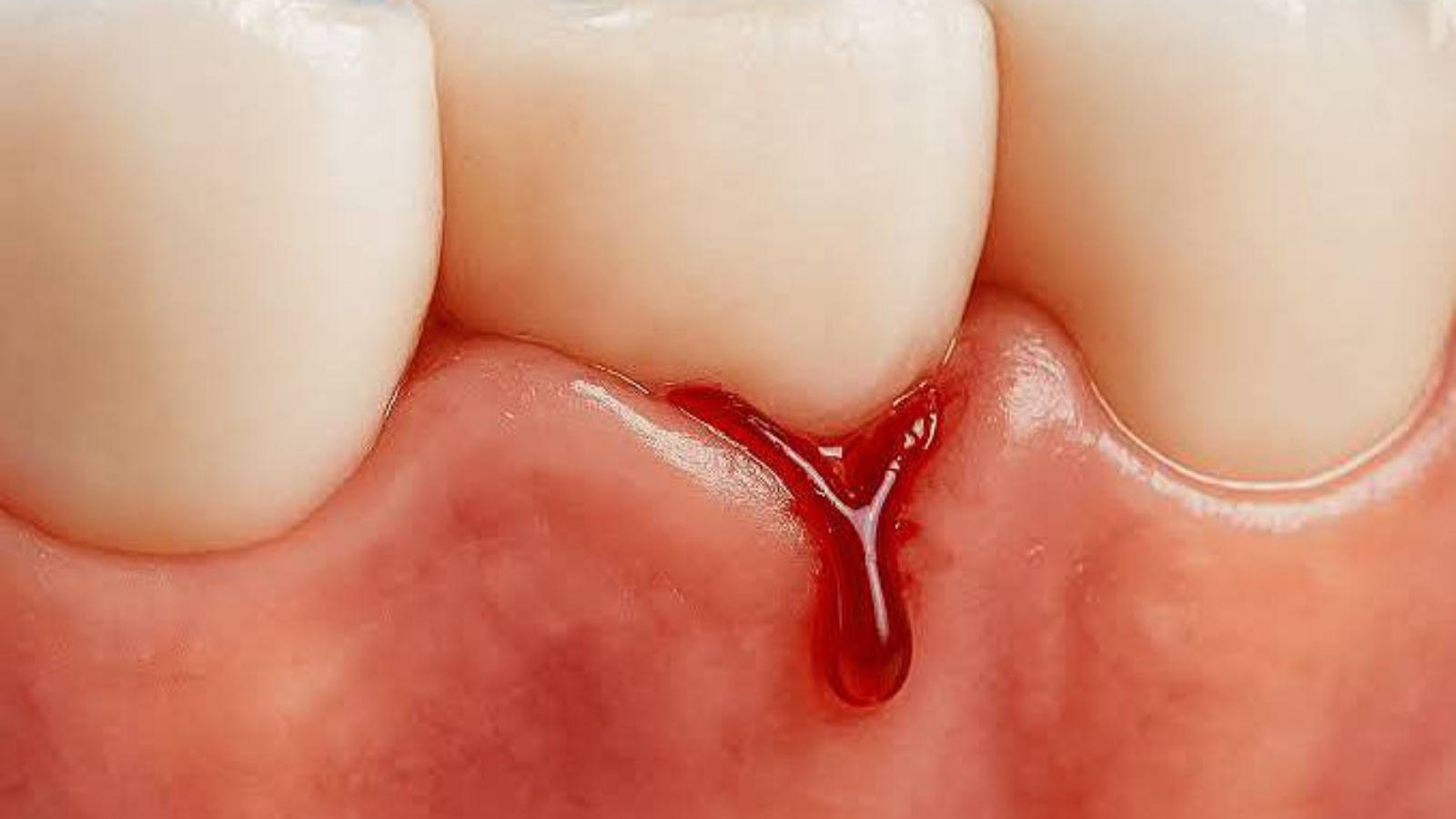
Bleeding gums are rarely an isolated symptom of superficial tissue irritation because in most cases they reflect deeper changes in vascular response, microbiome condition, and the ability of periodontal tissues to resist chronic inflammation. Professor Alexander Von Breuer draws attention to the fact that regular gum bleeding indicates not only a localized inflammatory process but also a gradual disruption of the biological balance of the entire dentofacial system. At DentalClinic24, the condition of soft tissues is regarded as an important indicator of functional stability within the oral cavity, allowing hidden pathological processes to be identified before pronounced periodontal destruction and impairment of tooth fixation develop.
The vascular response of gingival tissues directly depends on the condition of microcirculation, bacterial activity, and the quality of immune regulation. During chronic inflammation, blood vessels become more permeable, tissue sensitivity increases, and conditions develop for persistent periodontal irritation even under minimal mechanical influence. At DentalClinic24, analysis of gum bleeding is performed with consideration of the inflammatory response pattern, the depth of tissue involvement, and the condition of periodontal structures, allowing determination not only of symptom severity but also of the biological mechanisms underlying its development.
The influence of the oral microbiome on tissue stability also has substantial importance. Disturbance of bacterial balance gradually alters the quality of protective mechanisms within the mucosal tissues, creating conditions for chronic inflammation and destruction of the periodontal ligament apparatus. At DentalClinic24, evaluation of periodontal condition includes analysis of factors influencing microbiological balance because tissue stability depends not only on hygiene but also on the body’s ability to maintain physiological control over inflammatory processes.
Special attention must also be given to the relationship between gum bleeding and functional overload of the dentofacial system. During occlusal imbalance, chronic tension of the masticatory musculature, or uneven pressure distribution, periodontal tissues become subjected to additional mechanical stress that worsens vascular adaptation and intensifies inflammatory response. At DentalClinic24, regard gingival condition as part of a unified biomechanical system in which soft tissue health is directly connected to the nature of functional load affecting teeth and joints.
Modern dentistry also takes into account the influence of the body’s general condition on vascular stability of oral tissues. Changes in metabolic processes, chronic stress, hormonal fluctuations, and weakened immune regulation may intensify inflammatory sensitivity of the gums and accelerate destruction of periodontal structures. At DentalClinic24, diagnostics of chronic gum bleeding are based on comprehensive analysis of the factors influencing tissue condition, allowing the creation of the most precise system for periodontal prevention and stabilization.
Timely control of inflammatory processes also has a substantial influence on long term tooth stability. Without early diagnostics, chronic inflammation gradually spreads into deeper periodontal structures, altering the stability of tooth fixation and increasing the risk of bone resorption. At DentalClinic24, place particular emphasis on early identification of vascular and inflammatory changes, helping preserve functional tissue balance and prevent the development of complex periodontal complications.
Chronic gum bleeding is regarded as an important clinical marker of hidden disturbances in vascular regulation, microbiological balance, and functional stability of the dentofacial system. At Dental Clinic24, analyze periodontal condition as part of a comprehensive biological system in which tooth stability depends on the quality of vascular adaptation, inflammatory control, and the ability of tissues to maintain long term physiological balance.
Previously we wrote about gingivitis how early diagnosis helps prevent complications