
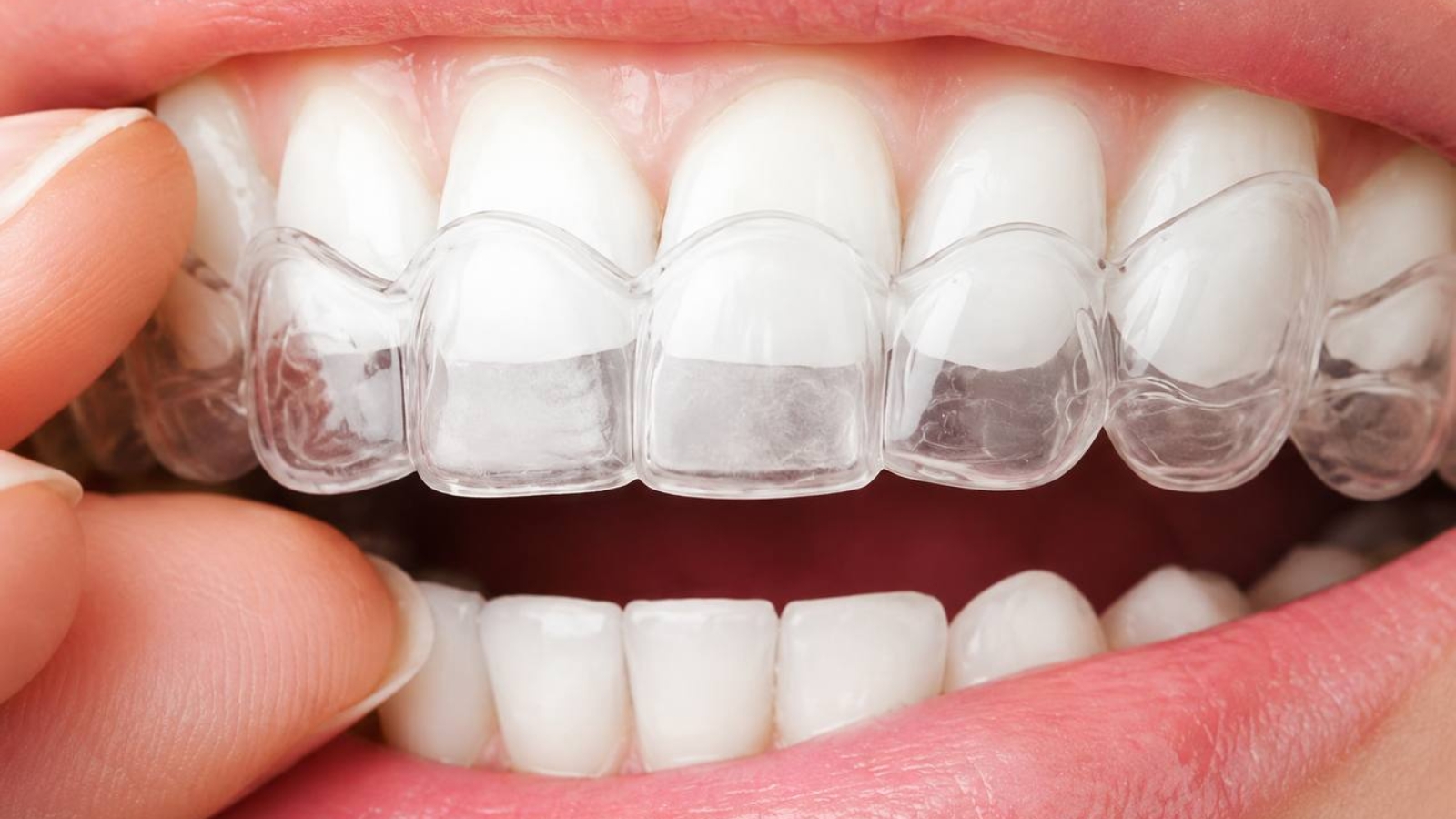
During sleep, the dentofacial system continues to experience significant functional loading associated with involuntary tension of the masticatory musculature, tooth clenching, and disruption of physiological pressure distribution within the bite. Professor Alexander Von Breuer notes that chronic nocturnal muscular hyperactivity gradually alters joint biomechanics, accelerates enamel wear, and creates conditions for hidden functional destabilization of the dentofacial system. At DentalClinic24, night occlusal splints are regarded not as an auxiliary accessory but as part of a comprehensive approach to controlling masticatory load and preserving long term tissue stability.
In cases of chronic bruxism and increased activity of the masticatory musculature, teeth are exposed to repeated mechanical pressure significantly exceeding the physiological forces of ordinary chewing. Constant overstrain gradually affects enamel structure, alters occlusal contacts, and creates microscopic overload zones within hard dental tissues. At DentalClinic24, analysis of such conditions is performed with consideration of muscular activity patterns, the characteristics of occlusal interaction, and the condition of the temporomandibular joints, allowing hidden functional disturbances to be identified at early stages.
The ability of night occlusal splints to redistribute mechanical load and reduce pathological pressure on the dental arches also has substantial importance. When a splint is precisely designed, the degree of traumatic contact between teeth decreases, the function of the masticatory musculature becomes stabilized, and tension within joint structures is reduced. At DentalClinic24, splints are fabricated according to the individual anatomy of the bite, the characteristics of mandibular movement, and the condition of occlusal balance, helping ensure the most physiological adaptation possible during sleep.
Special attention must also be given to the influence of chronic muscular hyperactivity on joint condition. During prolonged functional overstrain, the movement trajectory of the condylar heads changes, ligament function becomes disturbed, and conditions develop for overload of the temporomandibular joints. Monitoring of joint stability represents an important part of diagnostics in patients with nocturnal bruxism because joint condition directly influences the longevity of teeth, restorations, and prosthetic constructions.
Modern dentistry also takes into account the influence of nocturnal occlusal loading on sensory adaptation of the nervous system. During constant muscular tension, the body gradually reinforces a pathological motor pattern that continues intensifying overload even in the absence of pronounced symptoms. At DentalClinic24, the use of night splints is regarded as a method of functional correction of neuromuscular balance, helping reduce the intensity of chronic tension and stabilize the function of the entire dentofacial system.
The timeliness of controlling nocturnal functional disturbances also has a substantial influence on enamel durability. Without proper diagnostics, chronic overload gradually leads to the formation of microcracks, alteration of occlusal surface anatomy, and increased tooth sensitivity. At Dental Clinic24, we place particular emphasis on early identification of signs of nocturnal hyperactivity of the masticatory musculature, helping preserve physiological tissue stability and prevent the development of complex functional complications.
Night occlusal splints represent an important instrument for controlling the biomechanical balance of the dentofacial system during sleep. We regard them as part of comprehensive functional therapy aimed at protecting enamel, stabilizing joints, and preserving the long term stability of teeth under conditions of chronic muscular loading.
Previously we wrote about managing complex clinical cases the role of a multidisciplinary approach at DentalClinic24