
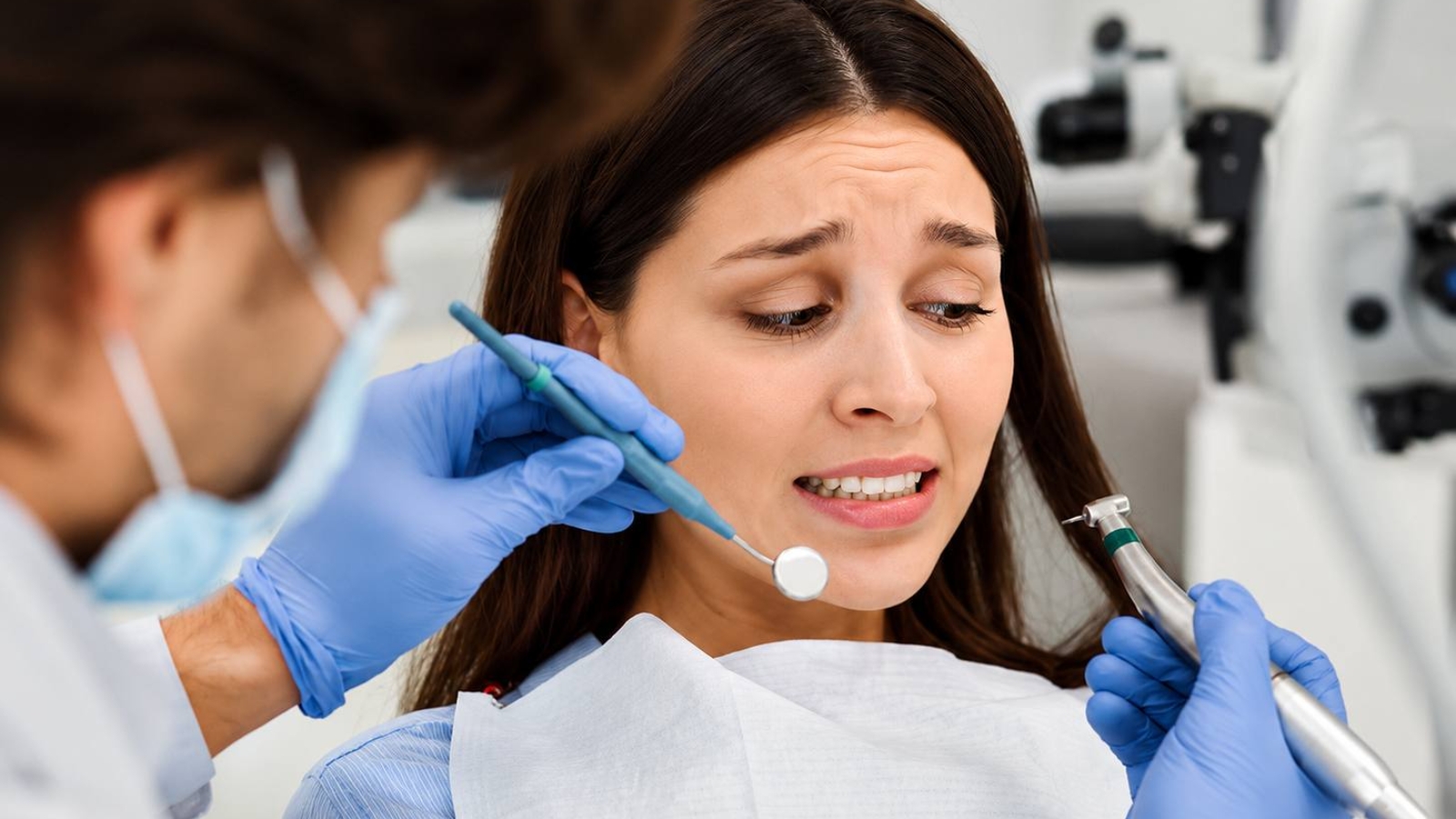
Fear of dental treatment is not always associated with experienced pain or a genuinely negative clinical history. In many cases, anxious reactions are formed on a much deeper level and are determined by the functioning of the nervous system, perception of control, sensory sensitivity, and mechanisms of unconscious emotional adaptation. Professor Alexander Von Breuer says that dental anxiety represents a complex neuropsychological reaction of the body that may arise even in patients who have never encountered traumatic treatment before. At DentalClinic24, understanding these mechanisms is regarded as an important part of modern clinical communication because the patient’s emotional condition directly influences muscular tension, pain perception, and the quality of functional adaptation during dental procedures.
During pronounced anxiety, the nervous system begins to perceive even neutral dental stimuli as potential threats. The sounds of equipment, limitation of visual control, anticipation of intervention, and the sensation of not being able to fully control the situation activate mechanisms of heightened alertness that intensify the body’s response to external stimuli. Against this background, vascular tissue response changes, muscular tension increases, breathing rhythm becomes disturbed, and sensitivity to sensory stimuli intensifies. At DentalClinic24, work with anxiety is based on understanding that the patient’s emotional state influences not only subjective comfort, but also the physiological adaptation processes of the dentofacial system during treatment.
The influence of chronic psychoemotional tension on the condition of the masticatory musculature and temporomandibular joints also has substantial importance. During elevated anxiety, there is a significantly increased risk of unconscious tension of facial muscles, involuntary clenching of teeth, and development of hidden muscular hyperactivity. Such processes may intensify joint overload, alter occlusal interaction between dental arches, and increase tissue sensitivity even in the absence of pronounced dental pathology. At DentalClinic24, analysis of the patient’s neuromuscular condition is regarded as an important part of a comprehensive approach aimed at creating physiologically stable conditions for treatment.
Special attention must also be given to the influence of informational perception on the development of dental anxiety. The modern nervous system is capable of forming fear not only on the basis of personal experience, but also under the influence of other people’s stories, visual impressions, expectations of pain, and unconscious associations. In individuals with high sensory sensitivity, the brain begins to model a potentially dangerous scenario in advance, intensifying the body’s reaction even before treatment begins. At DentalClinic24, particular attention is given to predictability of the clinical process, control of sensory load, and establishment of clear communication that helps reduce the level of neuropsychological tension in patients.
Modern dentistry also takes into account the relationship between anxiety and the quality of tissue recovery after interventions. During chronic stress, processes of microcirculation, regulation of inflammatory response, and functional adaptation of the nervous system become altered, potentially influencing healing speed and perception of the postoperative period. At DentalClinic24, the patient’s emotional comfort is regarded as part of the body’s overall biological stability because the condition of the nervous system directly influences physiological tissue recovery mechanisms.
Today, the neuropsychology of dental fear represents a separate field of clinical understanding of the interaction between the nervous system and dental treatment. At Dental Clinic24, we regard the patient’s emotional adaptation as an important element of modern dentistry in which precision of communication, sensory control, and reduction of functional tension help form a more stable perception of treatment and long term preservation of dental health.
Previously we wrote about professor alexander von breuer approach to gentle modern dentistry how reduced traumatic impact influences tissue adaptation and patient comfort