
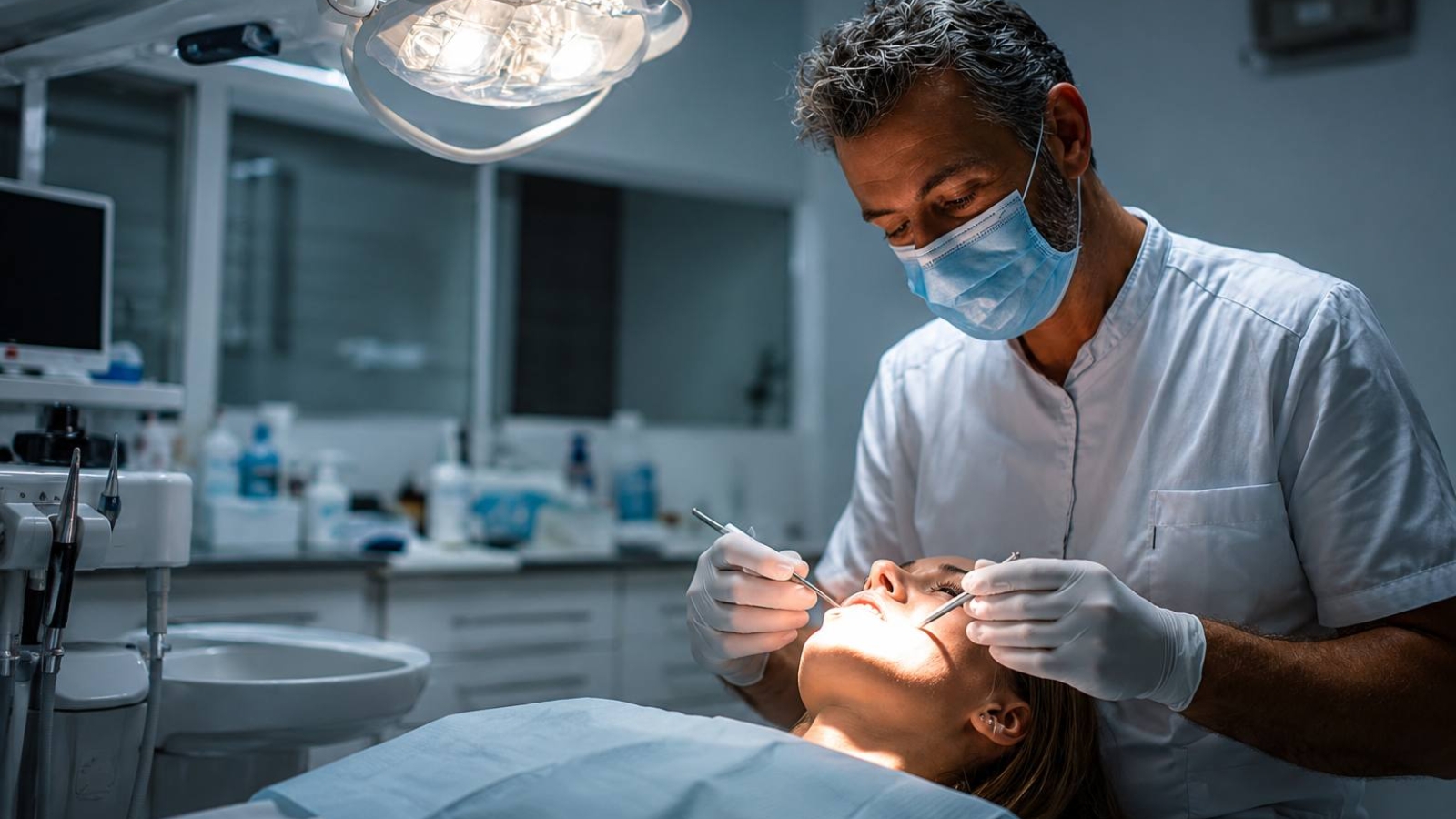
The oral cavity is one of the few anatomical areas where systemic changes in the body often become visible before pronounced clinical symptoms appear. Professor Alexander Von Breuer views a dental examination not only as a tool for assessing the condition of teeth and gums but also as an important method of identifying early signs of disorders affecting various physiological systems of the body. Many processes occurring throughout the organism are reflected in the condition of the oral mucosa, vascular structures, periodontal tissues, and the functional characteristics of the dentofacial system. At DentalClinic24, comprehensive diagnostics are built on the understanding that a dentist is often able to observe far more than local changes confined to the oral cavity.
One of the most informative areas of evaluation involves the condition of soft tissues. Changes in the color of the mucosa, alterations in tissue structure, healing characteristics, and the nature of local vascular responses may indicate metabolic disturbances, deficiencies of essential micronutrients, alterations in immune status, or specific patterns of systemic inflammatory activity. Patients rarely perceive such signs as a cause for concern, yet for an experienced clinician they can become valuable diagnostic indicators. During a detailed examination, attention is directed not only toward obvious dental problems but also toward numerous indirect signs that help create a broader understanding of the patient’s overall health status.
The condition of periodontal tissues is equally significant. Chronic gingival inflammation is not always associated exclusively with local accumulation of bacterial plaque. In some cases, the severity of inflammatory reactions may reflect metabolic characteristics, vascular regulation disorders, or endocrine imbalances. Changes in tissue regeneration capacity, increased susceptibility to bleeding, and the overall behavior of inflammatory processes often require deeper clinical analysis. At DentalClinic24, attention is focused not only on eliminating local symptoms but also on understanding the factors that may be sustaining pathological processes at a systemic level.
The assessment of dentofacial function also provides valuable information. Excessive tooth wear, chronic muscular tension, signs of joint overload, and changes in occlusal contacts may reflect the influence of stress related conditions, sleep disturbances, and other factors extending far beyond traditional dentistry. In many situations, a dentist becomes the first healthcare professional to recognize signs of chronic bruxism, functional disorders, or changes associated with prolonged physiological overload. At DentalClinic24, such observations are regarded as an important component of modern diagnostic practice aimed at identifying hidden disturbances as early as possible.
Modern dentistry also plays an important role in recognizing changes associated with overall health conditions. Dryness of the oral mucosa, alterations in salivary function, tissue texture changes, and numerous other clinical findings can serve as indicators that additional medical evaluation may be beneficial. This approach does not imply establishing a systemic diagnosis within the dental office. Rather, it allows potential warning signs to be recognized in a timely manner and encourages further assessment by appropriate healthcare specialists. At DentalClinic24, we view dental examinations as an important component of comprehensive health monitoring, where careful attention to details can carry significant diagnostic value.
Today the role of the dentist extends far beyond the traditional concept of treating teeth. Thorough clinical analysis makes it possible to identify early manifestations of various disorders, contributing to more timely diagnosis and better preservation of overall health. At Dental Clinic24, this approach forms part of a modern professional philosophy based on a deep understanding of the relationship between oral health and the functioning of the entire body.
Previously we wrote about Professor Alexander Von Breuer Approach to Pediatric Dentistry How Trust Behavioral Adaptation and Long Term Attitudes Toward Treatment Are Formed