
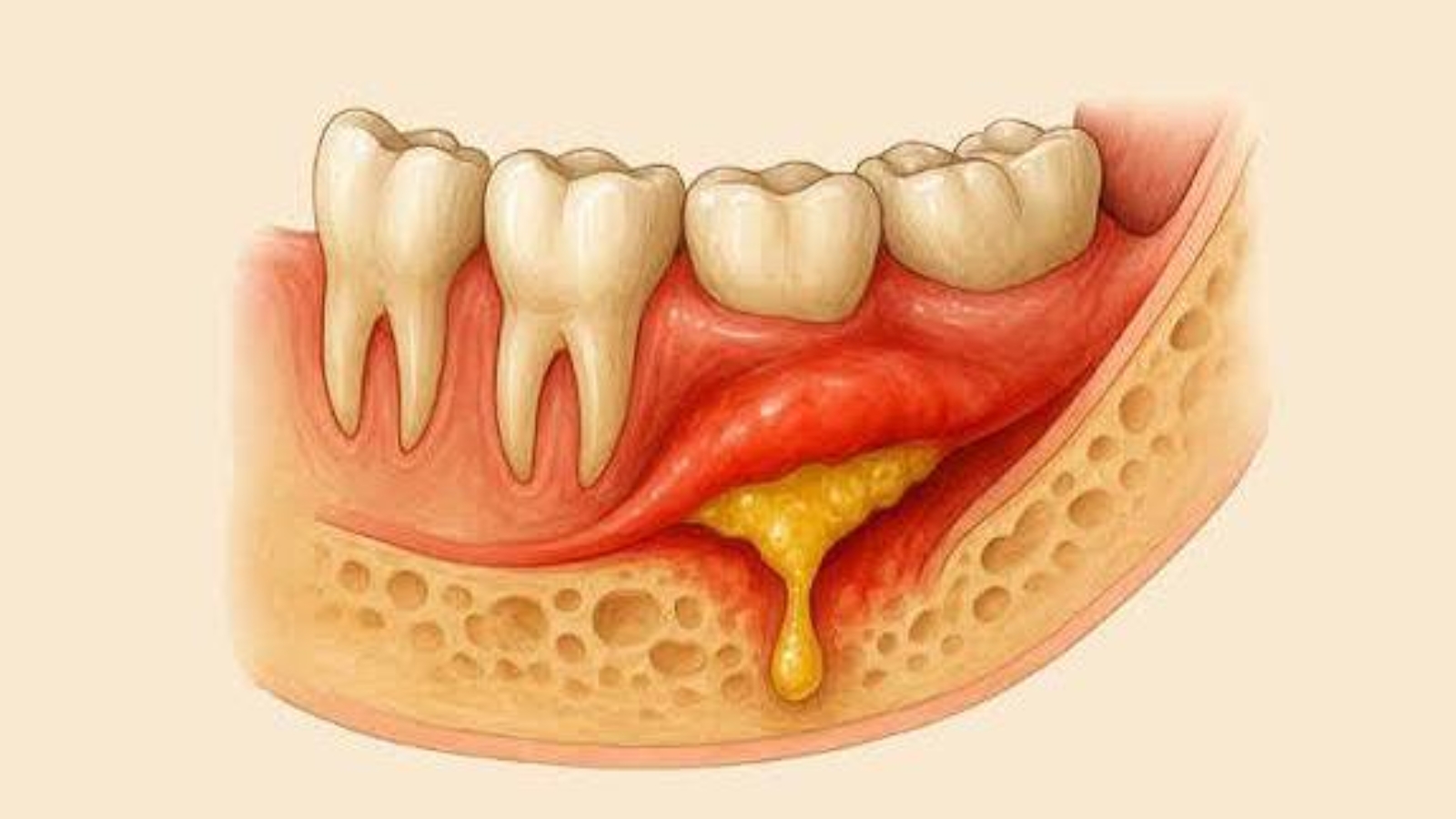
Periostitis is one of those inflammatory conditions in which time becomes one of the most significant clinical factors. The disease process may progress rapidly, and changes within the surrounding tissues can develop over a relatively short period. Professor Alexander Von Breuer sees this as one of the primary reasons why early diagnosis plays a decisive role in preserving tissues and minimizing the extent of subsequent treatment. During the initial stages, inflammation may be limited to a relatively small anatomical area. However, without timely intervention, the pathological process can spread to neighboring structures and significantly complicate the clinical situation. At DentalClinic24, periostitis is regarded not merely as a localized inflammation but as a condition that requires precise evaluation of the speed and extent of pathological changes.
In most cases, periostitis develops as a complication of an infectious process that initially originates within a tooth or its surrounding tissues. Once microorganisms overcome natural protective barriers and reach the periosteum, the body initiates an active inflammatory response. The periosteum plays a critical role in nourishing bone tissue and supporting ongoing regenerative processes. Inflammation within this structure is accompanied by significant biological changes, including impaired microcirculation, activation of immune mechanisms, and the development of tissue swelling. Even at this stage, the clinical picture may differ substantially from the original condition that served as the source of infection.
Particular importance lies in the speed of disease progression. Many dental conditions develop gradually, allowing the body to adapt to ongoing changes. Periostitis often follows a different pattern. Increased inflammatory activity can lead to rapid expansion of the affected area, alteration of facial contours, restriction of masticatory muscle function, and significant discomfort. The earlier the source of the problem is identified, the greater the opportunity to preserve surrounding structures and prevent further spread of the pathological process. At DentalClinic24, early diagnosis is considered one of the most effective tools for controlling such conditions and reducing the risk of complications.
Time also plays a crucial role in determining treatment strategy. During the early stages, therapy can often remain relatively conservative and focused on eliminating the primary source of infection. As inflammation progresses, the clinical situation may require a considerably more complex approach involving additional surgical procedures and a longer period of tissue recovery. At DentalClinic24, careful assessment of the stage of disease is an essential part of treatment planning because the extent of required intervention is directly related to the severity and spread of inflammatory changes.
Modern diagnostic technologies make it possible to obtain significantly more information about tissue conditions before severe complications arise. Digital radiography, three dimensional imaging, and comprehensive clinical evaluation allow clinicians to identify the location of infection, assess the involvement of surrounding structures, and estimate the risks of further disease progression. However, timely patient presentation remains the key factor because even the most advanced technologies are most effective when applied during the early stages of a pathological process. At Dental Clinic24, diagnostic evaluation is aimed not only at confirming the diagnosis but also at predicting the future behavior of the inflammatory condition.
Modern dentistry views periostitis as a disease in which the speed of clinical decision making directly influences treatment complexity, tissue preservation, and long term prognosis. The earlier the source of infection is identified and professional treatment begins, the greater the likelihood of preserving anatomical structures, reducing the extent of intervention, and achieving a more favorable recovery. For this reason, early diagnosis remains one of the most important factors in the successful management of inflammatory processes within dental practice.
Previously we wrote about Consequences of Advanced Pulpitis in DentalClinic24 Practice How Inflammation Affects Tooth Structure and Surrounding Tissues