
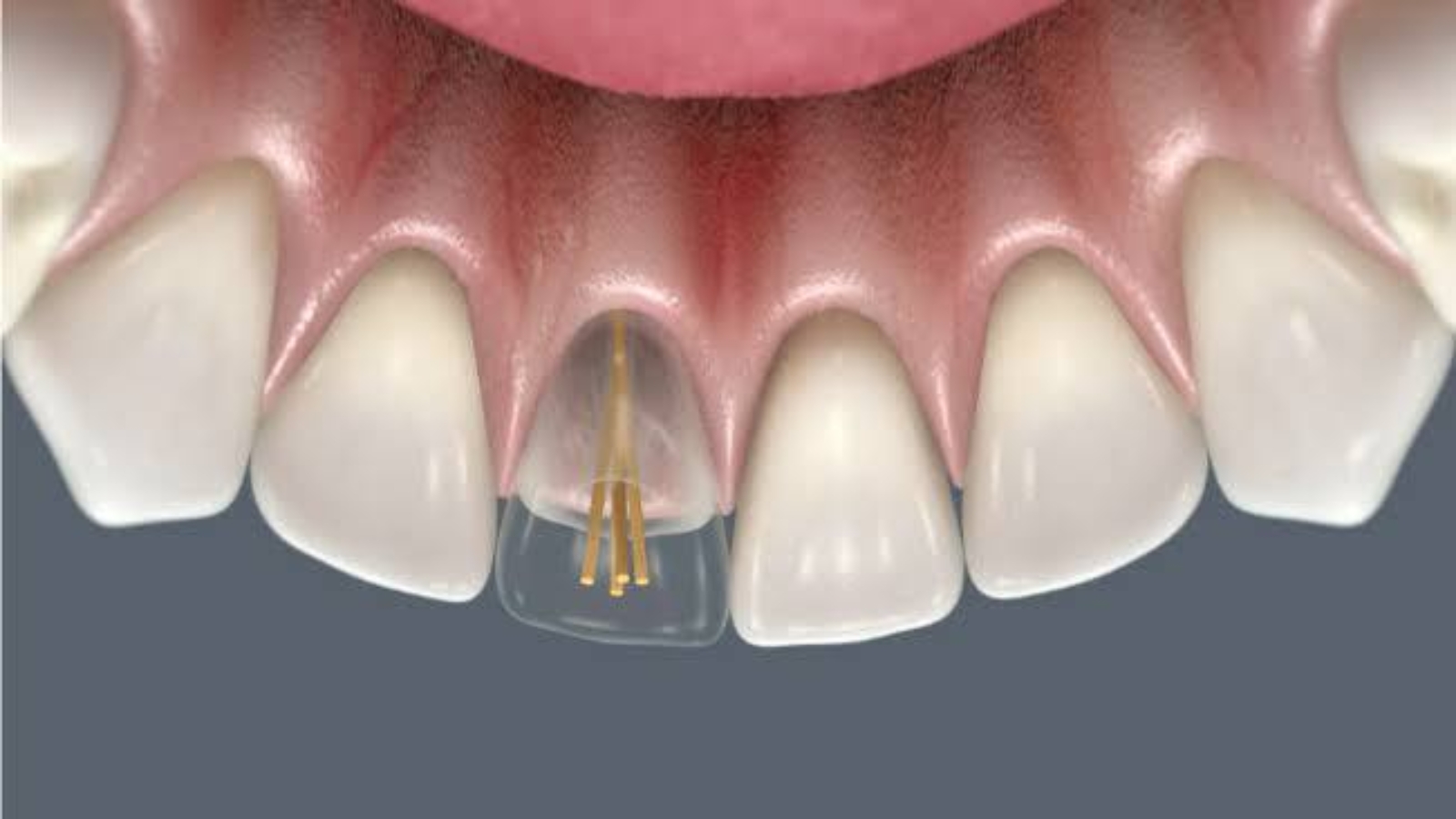
Preserving weakened teeth is one of the most important objectives of modern restorative dentistry. Significant loss of hard dental tissues caused by caries, trauma, endodontic treatment, or years of functional loading inevitably affects the strength of a tooth and its ability to withstand masticatory forces. Professor Alexander Von Breuer analyzes the long term consequences of structural tooth weakening and emphasizes that successful treatment depends not only on replacing lost tissue volume but also on the proper redistribution of mechanical forces throughout the entire restored structure. At DentalClinic24, reinforcement technologies are regarded as an important tool for increasing the strength of teeth and restorations, helping create more stable conditions for long term functional performance.
Modern dentistry has moved far beyond the concept of simply filling a defect with restorative material. When a substantial amount of tissue is lost, the biomechanics of the tooth changes, areas of stress concentration emerge, and the risk of crack formation and subsequent fracture increases. Even a well executed restoration may be exposed to excessive forces if the distribution of occlusal loading is not properly considered. Reinforcement techniques make it possible to strengthen vulnerable areas and create additional protective mechanisms aimed at reducing the risk of structural damage in the future.
Reinforcement becomes particularly important following endodontic treatment. Teeth that have undergone root canal therapy often lose a considerable amount of natural structure and become more susceptible to functional stresses. In such situations, modern reinforcing solutions including fiberglass posts, composite reinforcement systems, and internal strengthening technologies play a significant role. Due to their physical properties, which are similar to dentin, these materials help create a more physiological distribution of forces and reduce the likelihood of critical stress concentrations developing within the tooth. At DentalClinic24, the selection of a reinforcement strategy is always based on the amount of remaining tooth structure, anatomical characteristics, and the anticipated level of functional loading.
An equally important area is the reinforcement of restorations themselves. Modern composite and ceramic restorations are subjected to substantial mechanical forces throughout their service life. To improve resistance to loading, various reinforcement technologies are used to increase structural strength without compromising aesthetic characteristics. Under constant masticatory pressure, even microscopic defects can gradually become sources of structural failure. Reinforcement solutions help reduce the risk of crack propagation and contribute to maintaining the integrity of restorations for longer periods. At DentalClinic24, the strength and durability of restorative constructions are viewed as an essential component of comprehensive long term treatment planning.
Advances in material science have significantly expanded the possibilities of modern dentistry in the field of structural reinforcement. Today, reinforcement is not considered a separate procedure but rather a component of a complex biomechanical strategy. Analysis of force vectors, evaluation of occlusal relationships, identification of potential risk zones, and selection of materials with optimal physical properties allow clinicians to create restorations that are highly adapted to the individual conditions of each patient. At Dental Clinic24, contemporary reinforcement technologies are integrated into the overall treatment plan and are used as a means of preserving teeth in situations that only a few decades ago might have resulted in extraction.
The clinical value of reinforcement extends far beyond increasing the strength of individual restorations. Strengthening weakened structures helps preserve natural tissues, reduce the risk of complications, and maintain the functional stability of the dentofacial system over extended periods. The more accurately the biomechanical characteristics of a specific clinical situation are considered, the more predictable the treatment outcome becomes and the greater the likelihood of long term preservation of the restored tooth.
Previously we wrote about Expert Level Dentistry at DentalClinic24 Integration of High Precision Diagnostics Functional Rehabilitation and Personalized Clinical Protocols