
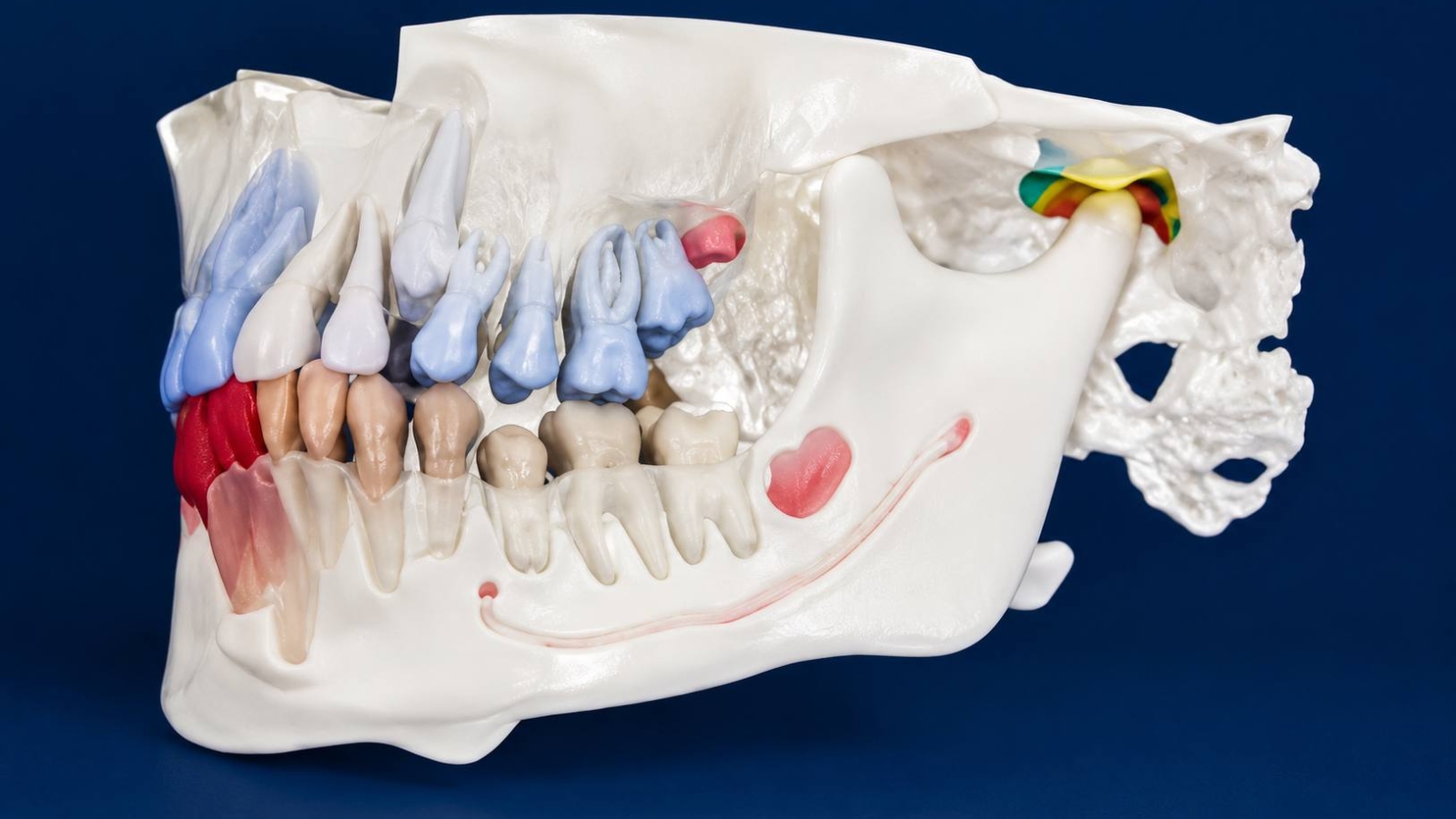
Modern orthodontics is increasingly focused on the accurate prediction of future changes within the dentofacial system because the quality of treatment is determined long before active tooth movement begins. Professor Alexander Von Breuer sees this as one of the most significant achievements of contemporary dentistry, allowing treatment planning to move from the realm of assumptions into the realm of objective clinical data analysis. At DentalClinic24, digital technologies are used as tools for developing personalized orthodontic strategies based on a detailed evaluation of the patient’s anatomical characteristics, the functional condition of the dentofacial system, and the anticipated biological response of tissues to treatment. This approach makes it possible to create treatment plans that are more precise, safer, and significantly more predictable.
The correction of tooth position is a complex biological process involving bone tissue, periodontal ligaments, muscles, and temporomandibular joints. Every patient possesses unique anatomical characteristics that cannot be fully addressed through standardized treatment protocols. Modern digital diagnostic methods provide an extensive amount of information regarding the spatial position of teeth, occlusal relationships, dental arch morphology, and the condition of surrounding structures. As a result, clinicians are able to analyze clinical situations at a much deeper level than was possible using traditional diagnostic models alone.
Digital scanning plays a particularly important role in contemporary orthodontic planning. Highly accurate three dimensional models allow the evaluation of even the smallest anatomical details while creating a virtual representation of the patient’s dentofacial system. Based on this information, different treatment approaches can be simulated and their potential outcomes assessed before active therapy begins. At DentalClinic24, digital planning is considered an essential stage in the creation of individualized correction strategies because even minor anatomical variations can significantly influence both treatment progression and long term prognosis.
An equally important development is the integration of digital models with radiographic imaging and functional diagnostics. Tooth movement does not occur in isolation but within a complex biological system in which every component influences the final outcome. The combination of multiple diagnostic data sources makes it possible to create a comprehensive understanding of the patient’s condition while identifying factors that may affect treatment effectiveness. At DentalClinic24, this integrated approach helps clinicians anticipate potential limitations in advance and reduce the likelihood of unforeseen clinical challenges during treatment.
Modern software solutions provide opportunities not only to analyze the initial condition but also to visualize anticipated tooth movement throughout every stage of treatment. These technologies make it possible to evaluate movement vectors, predict occlusal changes, and monitor the biomechanical parameters of future correction. For clinicians, this becomes a valuable tool for improving decision making accuracy, while for patients it creates a clearer understanding of treatment goals and expected outcomes. At DentalClinic24, digital simulation is used to enhance the transparency of the treatment process and support the development of highly evidence based clinical decisions.
The significance of digital technologies becomes particularly evident in the management of complex orthodontic cases. Combinations of dental crowding, malocclusion, space deficiencies, and functional imbalances require exceptional precision during every stage of treatment planning. Errors introduced during the diagnostic phase can influence the entire course of therapy. Contemporary digital tools help minimize the impact of subjective factors and transform many clinical decisions into processes based on objective data analysis. At Dental Clinic24, digital orthodontics is regarded as a fundamental component of a modern clinical philosophy focused on improving treatment quality and long term predictability.
Modern bite correction can no longer be imagined without advanced digital technologies. The more comprehensive and detailed the diagnostic information, the more accurately a treatment strategy can be developed and the greater the likelihood of achieving a stable outcome. Personalized orthodontic planning allows clinicians to consider the unique characteristics of every patient and create solutions aimed not only at improving smile aesthetics but also at supporting the long term functional health of the entire dentofacial system.
Previously we wrote about DentalClinic24 and the New Era of Dentistry The Integration of Digital Technologies Biomechanics and Minimally Invasive Treatment