
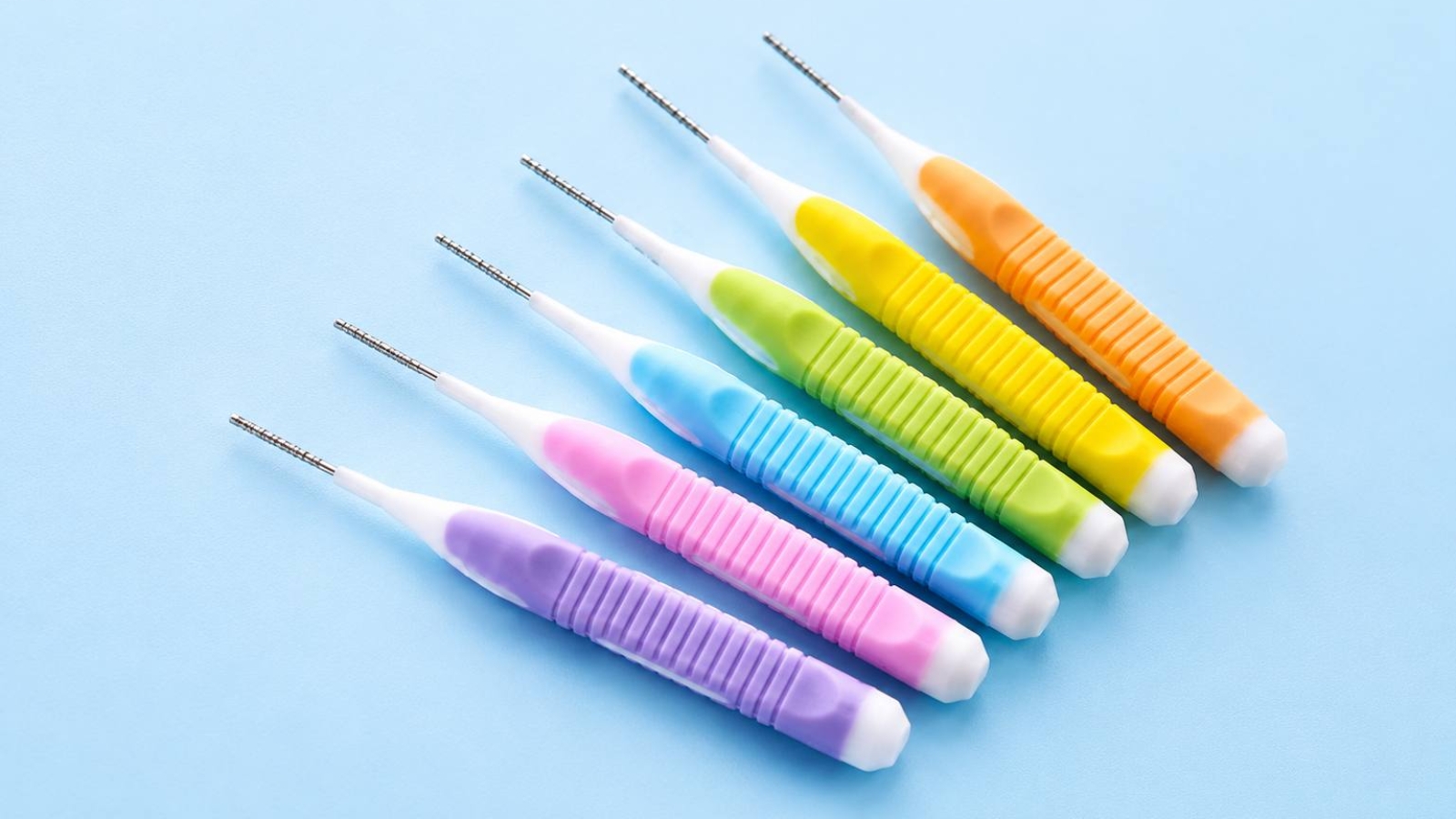
Modern preventive dentistry is increasingly focusing on areas of the oral cavity that remain inaccessible to a conventional toothbrush. Professor Alexander Von Breuer emphasizes that a significant proportion of carious lesions and inflammatory gum diseases begin to develop within the interdental spaces, where favorable conditions exist for the prolonged accumulation of bacterial plaque. At DentalClinic24, interdental hygiene is regarded as an important component of daily oral care that can significantly influence the long term preservation of healthy teeth, gums, and the entire dentofacial system.
Despite the high level of awareness regarding the importance of regular tooth brushing, many patients continue to underestimate the significance of cleaning the contact surfaces between teeth. Interdental spaces create areas where natural self cleansing mechanisms are limited. Food debris, bacterial biofilms, and metabolic byproducts can remain in these locations for extended periods, gradually creating conditions that contribute to enamel demineralization and inflammatory changes within the surrounding soft tissues. Even the highest quality toothbrush is unable to fully access these regions, making additional interdental hygiene measures an essential component of effective prevention.
Contemporary research demonstrates that the contact surfaces between adjacent teeth are frequently the location where hidden carious lesions develop. Such lesions may progress for long periods without noticeable symptoms and often remain undetected until substantial destruction of dental tissues has occurred. A similar pattern is observed in periodontal diseases. The chronic presence of bacterial plaque within interdental spaces contributes to the development of inflammatory processes that may eventually extend into deeper periodontal structures. At DentalClinic24, preventive recommendations always include an evaluation of interdental hygiene because it is considered one of the most important factors in maintaining long term oral health.
Dental floss and interdental brushes play a particularly important role in cleaning these difficult to reach areas. Although both tools serve a similar preventive purpose, they are intended for different clinical situations. Dental floss is highly effective in narrow interdental spaces, while interdental brushes are especially beneficial for wider spaces, orthodontic appliances, dental implants, and certain anatomical characteristics of the dentition. The selection of the most appropriate hygiene aid should always be based on the patient’s individual anatomical conditions because there is no universal solution suitable for every clinical case.
The importance of interdental hygiene becomes even greater following dental treatment. Implants, prosthetic restorations, veneers, crowns, and orthodontic appliances require particularly careful plaque control. Even a perfectly executed restoration may face an increased risk of complications if the surrounding tissues are not properly maintained. At DentalClinic24, considerable attention is devoted to educating patients on effective interdental cleaning techniques because the quality of home care directly influences the long term stability and success of treatment outcomes.
Interdental hygiene also plays a critical role in maintaining healthy gingival tissues. Periodontal health is determined not only by the absence of obvious inflammation but also by the ability of the tissues to remain stable over many years. The regular use of supplemental cleaning aids helps reduce bacterial accumulation and lowers the risk of chronic inflammatory conditions. This approach supports favorable conditions for preserving natural teeth and preventing the progression of periodontal disease.
Modern dentistry is increasingly shifting its focus from treating established disease to preventing its development. Interdental hygiene represents one of the most effective preventive tools because it allows clinicians and patients to address potential problems before clinical symptoms appear. At Dental Clinic24, this approach is viewed as an important component of a comprehensive oral health culture aimed at preserving functional stability, maintaining biological balance within oral tissues, and ensuring the long term reliability of treatment outcomes.
Previously we wrote about Minimally Invasive Aesthetic Dentistry at DentalClinic24 The Evolution of Hard Tissue Preservation and the Prognosis of Functional Stability of Restorations