
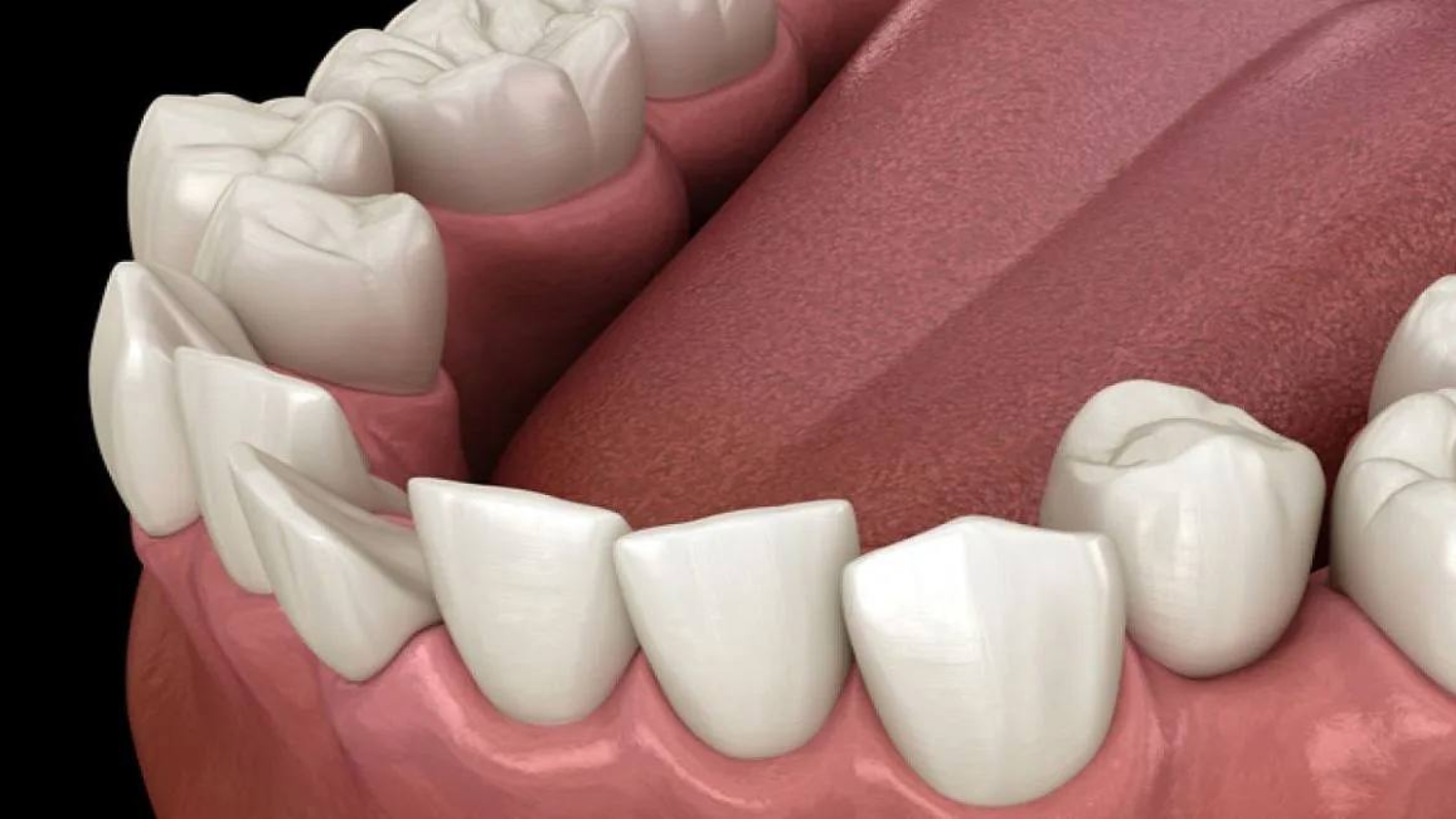
Dental crowding is often perceived by patients primarily as an aesthetic concern, yet contemporary dentistry evaluates this condition from a much broader perspective. Professor Alexander Von Breuer sees it as an important functional problem capable of influencing the entire dentofacial system, periodontal health, oral hygiene effectiveness, and long term dental stability. At DentalClinic24, dental crowding is assessed not only from the standpoint of tooth alignment but also as a factor that can alter occlusal biomechanics and create conditions for the development of various pathological processes over many years.
A lack of space within the dental arch develops under the influence of numerous factors. Genetic characteristics of jaw development, skeletal growth patterns, the timing of tooth eruption, breathing habits, childhood oral behaviors, and functional loading of the dentofacial system all contribute to the formation of crowding. As a result, individual teeth may erupt or shift outside their optimal anatomical position, altering the relationship between neighboring structures. Such changes often develop gradually and may remain asymptomatic for long periods, creating the false impression that no significant problem exists.
One of the most important consequences of dental crowding is the reduction in the effectiveness of daily oral hygiene. When teeth are positioned too closely together, difficult to access areas are created where bacterial plaque and food debris can remain for extended periods. Even patients who maintain regular brushing habits may struggle to adequately clean these regions. Over time, this increases the likelihood of interproximal caries, chronic gingival inflammation, and periodontal complications. At DentalClinic24, evaluating the quality of a patient’s oral hygiene is always an essential part of the diagnostic process for individuals presenting with crowded teeth because this factor frequently determines the long term prognosis of oral health.
Dental crowding also has a significant influence on the distribution of masticatory forces. The proper function of the dentofacial system depends on balanced interaction between the teeth, masticatory muscles, and temporomandibular joints. When tooth positioning is altered, the nature of occlusal contacts changes, potentially leading to excessive loading of specific areas. Over time, these changes may affect hard dental tissues, increase the risk of pathological enamel wear, and contribute to the development of occlusal disturbances of varying severity.
Contemporary scientific evidence also demonstrates a strong relationship between pronounced crowding and periodontal health. Complex dental arch anatomy often makes plaque control more challenging, while chronic gingival inflammation may persist even in the absence of significant symptoms. These processes can gradually lead to structural changes within the supporting tissues and create additional risks for the long term preservation of natural teeth. At DentalClinic24, comprehensive evaluation of periodontal tissues is considered an important component of treatment planning for patients with positional abnormalities of the teeth.
The development of digital diagnostic technologies has significantly expanded the possibilities for analyzing such clinical situations. Advanced three dimensional models allow clinicians to evaluate the spatial position of teeth in detail, measure available arch space, and predict changes that may occur following orthodontic intervention. At DentalClinic24, digital analysis is used to develop individualized treatment strategies that take into account anatomical characteristics, functional parameters, and the long term stability of treatment outcomes.
It is important to understand that dental crowding rarely remains an isolated problem affecting only specific areas of the dental arch. In most cases, it becomes part of a broader functional condition involving multiple components of the dentofacial system. The earlier professional evaluation is performed, the greater the opportunity to preserve natural dental tissues and prevent the development of secondary complications.
Modern dentistry views the correction of dental crowding not only as a means of improving smile aesthetics but also as a method of restoring the proper function of the entire dentofacial system. For Dental Clinic24, a comprehensive approach to diagnosing and treating these conditions is aimed at creating optimal conditions for effective oral hygiene, harmonious force distribution, and the long term preservation of oral health.
Previously we wrote about Pathological Tooth Wear at DentalClinic24 Diagnosis of Occlusal Disorders and a Strategy for Restoring Bite Height