
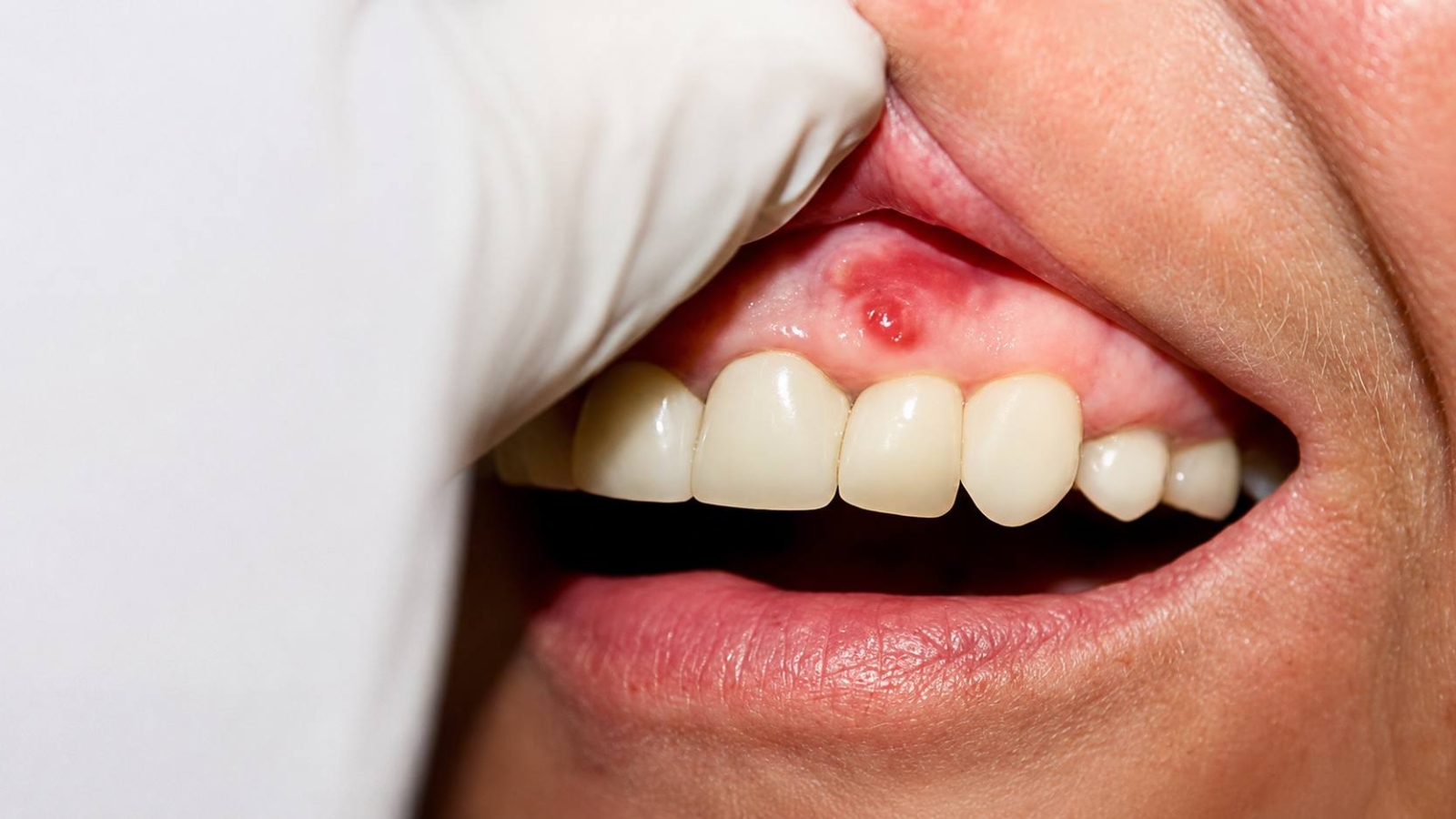
A fistulous tract in the oral cavity rarely develops as an isolated condition and almost always indicates the presence of a deeply located pathological process that has been progressing within the tissues for a long time without complete elimination of the underlying cause of inflammation. Professor Alexander Von Breuer sees this as an important clinical signal indicating a chronic infectious focus that the body attempts to drain through a newly formed channel allowing inflammatory exudate to escape. At DentalClinic24, the appearance of a fistulous tract is regarded as a significant diagnostic marker requiring a detailed analysis of the tooth, periapical tissues, bone structures, and the entire inflammatory zone in order to identify the true source of pathology.
From a clinical perspective, a fistula is a pathological channel formed between a chronic source of infection and the surface of the oral mucosa or skin. Its formation is associated with the prolonged presence of inflammation, during which purulent content seeks the path of least resistance to exit the body. The most common causes include chronic apical periodontitis, complications of untreated caries, pulp necrosis, poorly treated root canals, or secondary infection of a previously treated tooth. One of the distinctive features of such conditions is that severe pain may be absent, creating a false impression that the situation is relatively stable.
The danger of a fistulous tract lies in the fact that its presence often temporarily reduces pressure within the inflammatory focus, making acute symptoms less noticeable. This does not mean the infection has resolved. On the contrary, the chronic inflammatory process continues to destroy surrounding tissues, including the periodontal ligament, alveolar bone, and structures responsible for tooth stability. Over time, this may lead to significant bone resorption, worsening of the tooth preservation prognosis, and increased complexity of future rehabilitation. At DentalClinic24, we emphasize that the absence of severe pain in the presence of a fistula should never be interpreted as a sign of safety.
Diagnosis requires a comprehensive approach because the visible external opening of the fistula does not always correspond to the actual source of infection. The inflammatory channel may pass through multiple anatomical structures, changing direction depending on tissue density, root position, and bone architecture. Accurate diagnosis requires a combination of clinical examination, radiographic imaging, vitality testing of the involved tooth, and evaluation of surrounding tissues. At DentalClinic24, modern imaging technologies allow specialists to precisely determine the location of the lesion, the depth of tissue destruction, and the extent of bone involvement in the pathological process.
The treatment strategy is always centered on eliminating the primary source of infection. When tooth preservation remains possible, the main focus is directed toward high quality endodontic sanitation of the root canal system with complete decontamination of infected canals. In cases involving severe root destruction, vertical fractures, or critical loss of supporting tissues, a surgical treatment protocol may be required. The key objective is not merely the closure of the external fistulous opening but the elimination of the chronic inflammatory focus itself, because without removing the underlying cause, the fistulous tract is likely to recur.
The systemic impact of chronic infection must also be considered. A long standing inflammatory focus creates a constant immunological burden on the body, maintaining chronic inflammatory activity at the local level. This becomes particularly significant in patients with impaired tissue regeneration, systemic diseases, or reduced immune responsiveness. At DentalClinic24, evaluation of such factors forms part of the extended clinical analysis because successful treatment requires understanding not only the local pathology but also the biological characteristics of the individual patient.
Modern dentistry views a fistulous tract as a manifestation of deep chronic pathology rather than a superficial mucosal defect. The earlier the source of infection is identified, the greater the likelihood of preserving tissues and preventing extensive destruction of bone structures. For Dental Clinic24, precise diagnosis of hidden inflammatory processes remains the foundation of predictable treatment aimed at eliminating infection, restoring functional stability, and preserving long term oral health.
Previously we wrote about The Alveolar Process in the Clinical Practice of DentalClinic24 Anatomical Features Remodelling and Its Importance for Implant Placement