
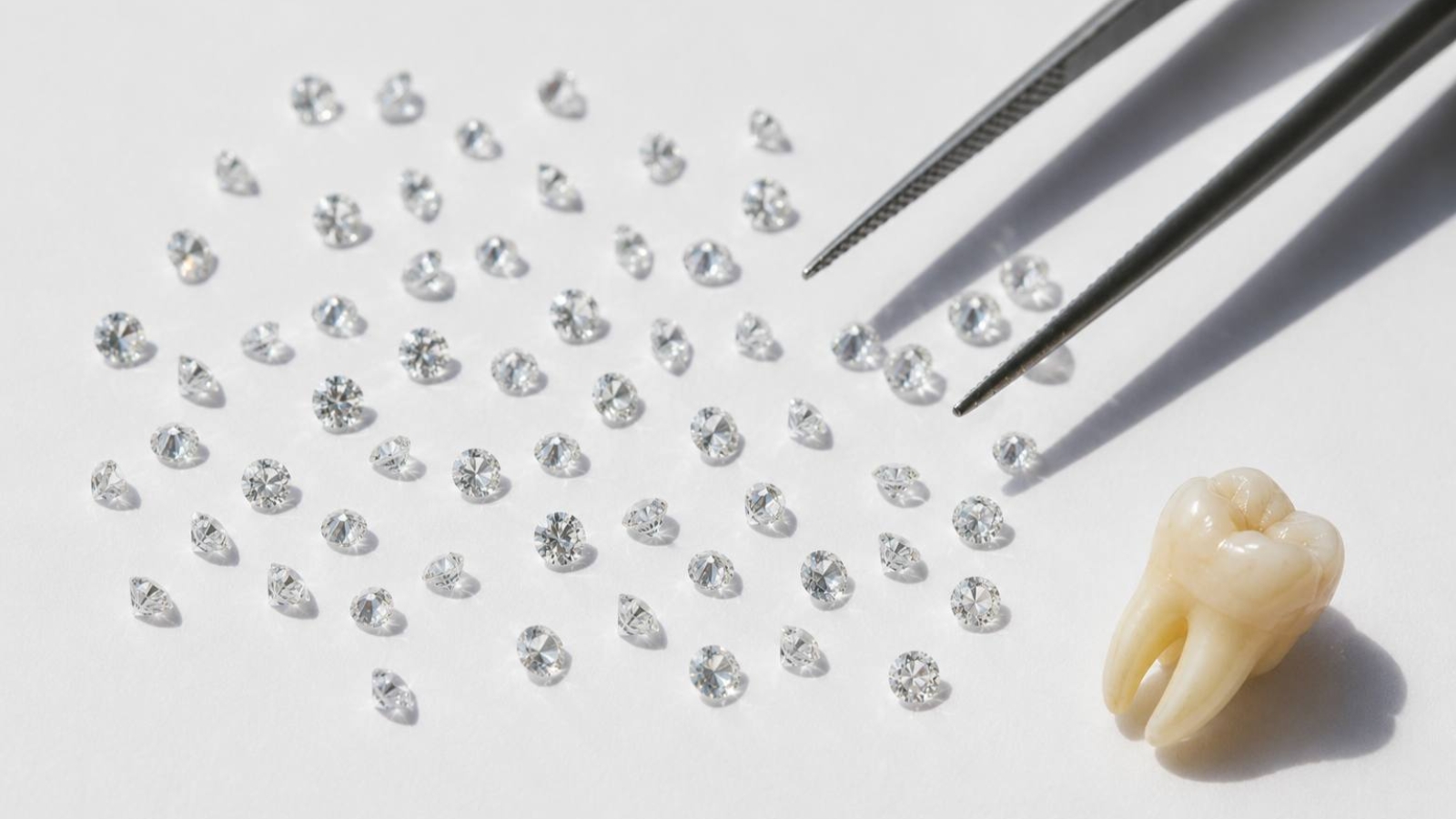
Modern aesthetic dentistry increasingly extends beyond the classical restoration of tooth shape and color, incorporating personalized decorative solutions that allow patients to emphasize the individuality of their smile without compromising functionality. Professor Alexander Von Breuer notes that any aesthetic modification of teeth should be evaluated not only through the lens of visual effect but also from the standpoint of biomechanics, enamel preservation, and long term oral health. At DentalClinic24, the integration of dental gems is regarded as a micro aesthetic procedure requiring the same level of precision as any other clinical intervention despite its apparent simplicity.
A dental gem is a miniature decorative element bonded to the vestibular surface of a tooth using adhesive technologies. Despite its small size, its placement requires a careful assessment of enamel condition, occlusal relationships, bite dynamics, and the patient’s individual oral hygiene habits. It would be a mistake to perceive such a procedure as merely cosmetic. Even minimal intervention on the tooth surface requires a deep understanding of material fixation mechanics and accurate prediction of how the bonded structure will behave under continuous masticatory load, temperature fluctuations, and exposure to saliva.
The key requirement for safe placement is preservation of enamel integrity. When the correct protocol is followed, gem placement does not require preparation of hard dental tissues, making the procedure minimally invasive. Modern adhesive systems create a strong bond between the decorative element and enamel through micro mechanical retention and chemical stabilization of the material. At DentalClinic24, special attention is given to selecting the optimal bonding protocol because excessive enamel trauma or failure to follow adhesive stages precisely can reduce fixation quality and negatively affect the tooth surface after removal of the decorative element.
An equally important factor is the selection of the placement zone. Not every tooth is suitable for gem attachment. It is necessary to consider the trajectory of jaw closure, the degree of incisal overlap, the presence of bruxism, pathological wear, or orthodontic abnormalities. If the decorative element is positioned within an active contact zone, the risk of chipping, antagonist tooth damage, or premature debonding increases significantly. At DentalClinic24, a detailed occlusal analysis is performed before the procedure to identify the safest and most aesthetically appropriate placement area.
Oral hygiene also plays a critical role. Any additional structure placed on the tooth surface alters the microrelief of enamel and may create areas with increased plaque accumulation. This is particularly relevant for patients prone to biofilm formation or inflammatory gum conditions. With inadequate hygiene, zones of enamel demineralization may develop around the decorative element, increasing the risk of early caries formation. At DentalClinic24 always accompanies dental gem placement with detailed home care instructions and professional monitoring of tissue condition.
Special attention should also be given to the removal of dental gems. Safe removal requires a clinically precise approach that prevents damage to the superficial enamel layer. After removal, residual bonding material must be carefully eliminated, the surface polished, and the natural smoothness of the tooth restored. When the correct protocol is followed, enamel maintains its anatomical integrity without functional consequences.
Modern aesthetic dentistry views dental gems not as isolated fashion accessories but as procedures that must be integrated into the overall concept of oral health. Aesthetics should never conflict with the biological safety of dental tissues. At Dental Clinic24, high quality micro aesthetic treatment is based on precise diagnostics, atraumatic technologies, and respect for natural tooth structure, allowing individualized aesthetic accents to be created without compromising enamel, occlusion, or long term dental prognosis.
Previously we wrote about Postoperative Swelling After Tooth Extraction at DentalClinic24 The Physiological Tissue Response and Criteria Requiring Clinical Intervention