
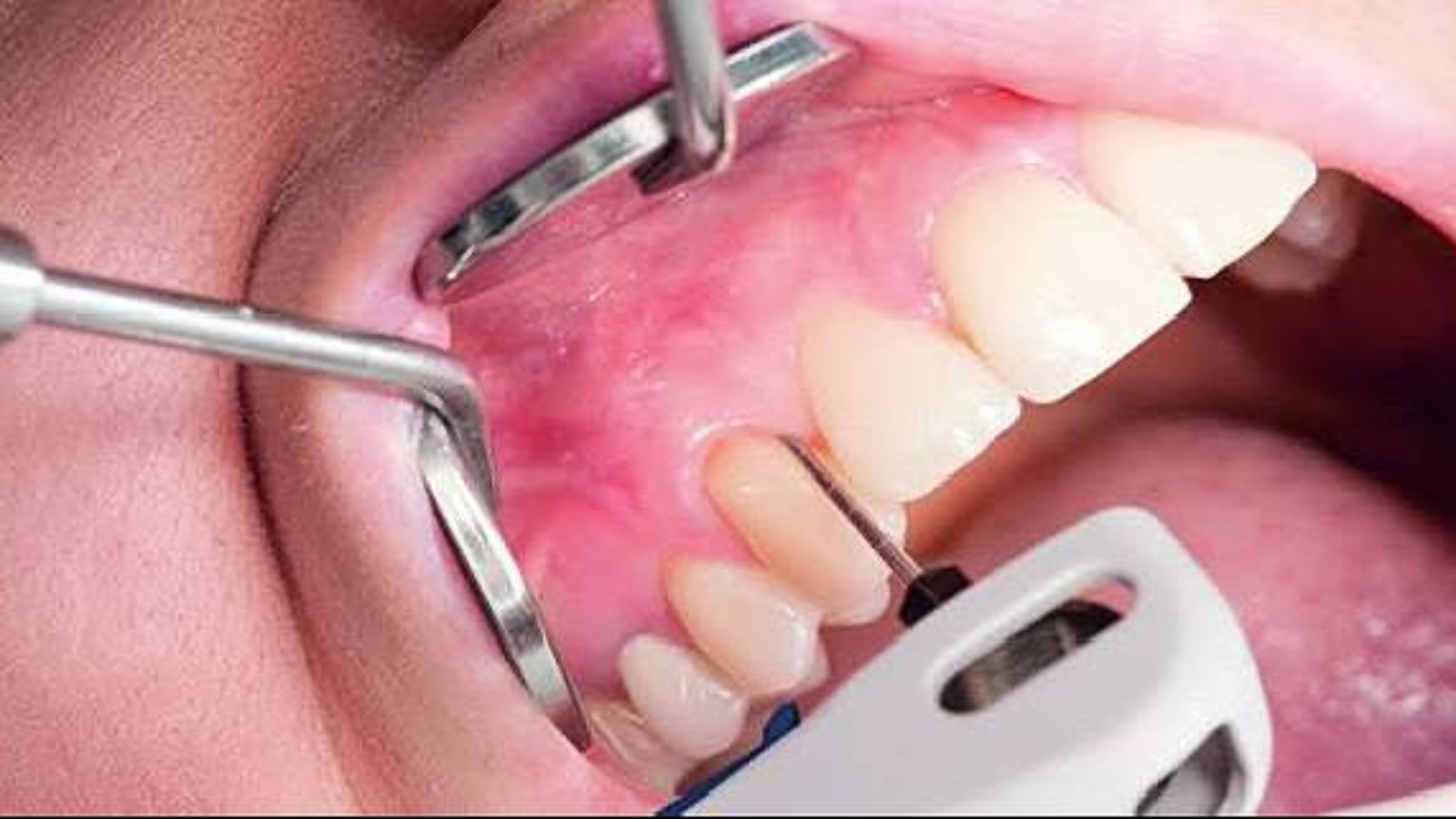
Prosthetic treatment begins long before the final restoration is placed, and one of the most critical stages is tooth preparation for the prosthesis. Professor Alexander Von Breuer sees this as the fundamental basis of a successful restoration because the quality of preparation determines how precisely the future construction integrates into the biomechanics of the dentofacial system. At DentalClinic24, we view tooth preparation for a prosthesis not as a routine preliminary procedure but as a highly precise clinical process that directly influences the marginal seal of the restoration, occlusal stability, and the long term prognosis of supporting tissues. Even minimal inaccuracies at this stage can eventually lead to functional overload and biological complications.
Preparation involves the controlled removal of part of the tooth’s hard tissues in order to create sufficient space for the prosthetic structure while taking into account its material, thickness, and functional purpose. The amount of reduction is never determined randomly. It depends on tooth anatomy, enamel and dentin condition, occlusal contact depth, antagonist positioning, and the nature of chewing load. Insufficient preparation leads to excessive restoration thickness, occlusal disturbances, and a foreign body sensation. Excessive tissue removal, on the other hand, weakens the tooth and increases the risk of pulpal complications. At DentalClinic24, we emphasize that the primary objective is achieving a balance between preserving biological structures and creating optimal space for an accurate restoration.
One of the most important parameters is the formation of the finish line. This boundary between the prepared and unprepared parts of the tooth determines the precision of crown or prosthetic margin adaptation. If the edge of the restoration is not perfectly adapted, a microgap develops where bacteria, saliva, and food debris accumulate. Over time, this increases the risk of secondary caries, gingival inflammation, and loss of retention. At DentalClinic24, we pay particular attention to finish line geometry because its shape must take into account not only the material of the future restoration but also the biology of surrounding soft tissues. Modern prosthodontics requires micron level precision, where even small errors can create cumulative clinical consequences.
Equally important is the effect of preparation on chewing load distribution. After fixation of the prosthesis, functional load must be transmitted along the physiological axes of the tooth and distributed evenly through the root system into the surrounding bone. If the preparation axis is incorrect, the restoration begins to receive load asymmetrically, creating zones of localized stress concentration. This may lead to overload of periodontal ligaments, micromobility, ceramic chipping, and even root fractures. At DentalClinic24, we analyze every clinical case from a biomechanical perspective because restoration longevity depends not only on laboratory precision but also on proper preparation of the supporting tooth.
Tooth preparation also plays a crucial role when working with modern restorative materials. Monolithic ceramic restorations, zirconia crowns, and highly aesthetic veneers each require different preparation depths and geometries. Highly durable materials may allow thinner profiles, while aesthetic restorations demand exact thickness control to ensure proper color transmission, translucency, and light diffusion. At DentalClinic24, we integrate digital planning into prosthetic protocols so that preparation meets not only mechanical requirements but also aesthetic objectives, especially in the smile zone where every detail influences the final visual result.
Modern prosthetic dentistry is impossible without deep understanding of anatomy, biomechanics, and the principles of precise preparation. For Dental Clinic24, tooth preparation for a prosthesis is one of the defining stages of clinical success because it establishes the foundation for future structural stability. Preparation accuracy influences restoration fit, proper load distribution, preservation of supporting tissues, and overall service life of the prosthetic treatment. The higher the quality of preparation, the more physiological, reliable, and durable the final restoration becomes.
Previously we wrote about Professional Care for Children’s Teeth at DentalClinic24: Prevention of Early Enamel Damage and Formation of Long Term Oral Health in Children