
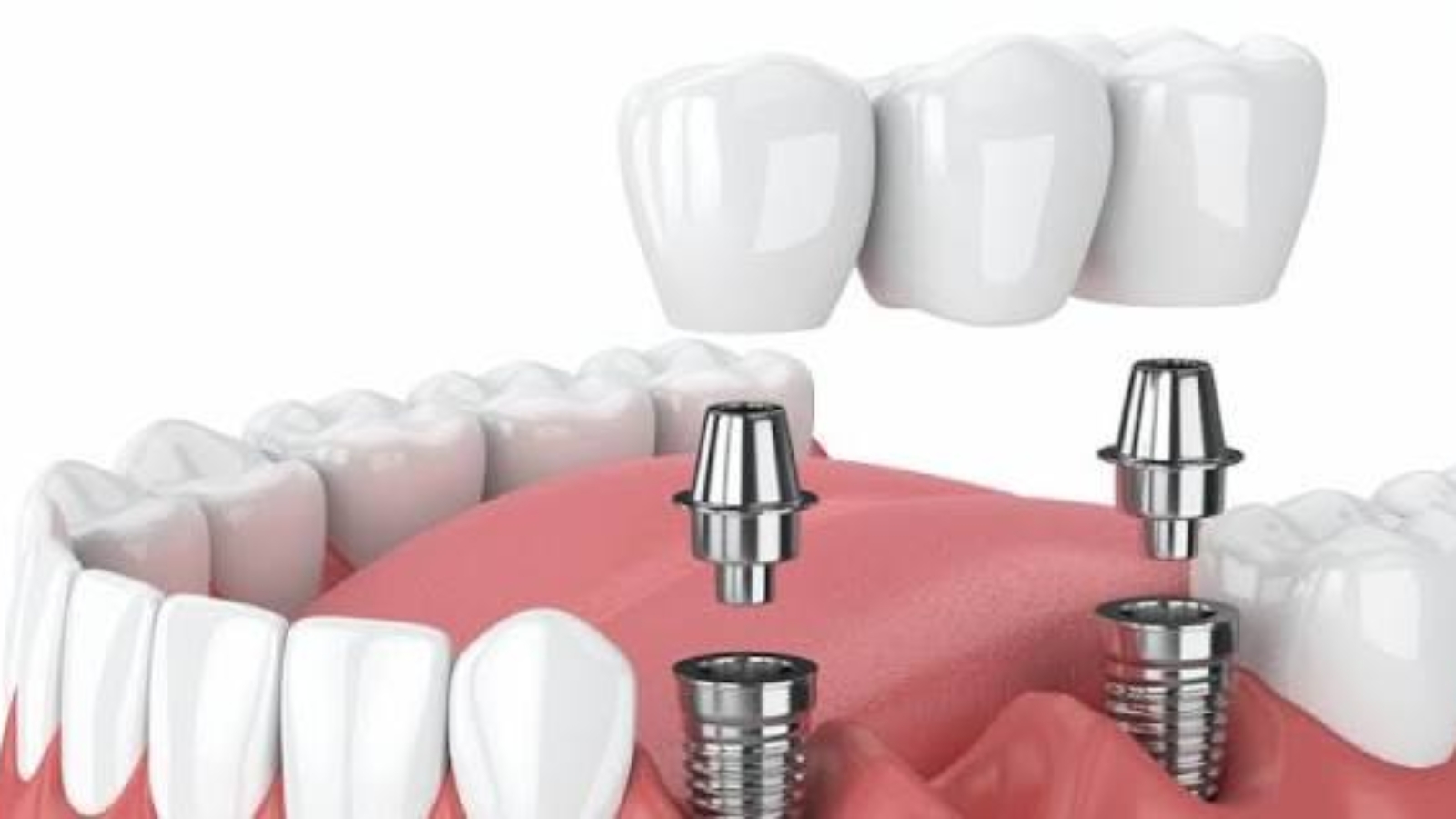
Restoration of missing teeth has long ceased to be solely an aesthetic task, since modern dentistry views the loss of even a single tooth as a disruption of a complex biomechanical system affecting chewing function, occlusal balance, and bone tissue integrity. Professor Alexander Von Breuer emphasizes that high quality replacement of a missing tooth must not merely close a gap in the dental arch but must reproduce the natural mechanics of load transfer as accurately as possible. At DentalClinic24, we regard dental implantation as one of the most physiological restoration methods because an implant integrates with bone tissue and participates in distributing chewing pressure in a way that closely resembles a natural tooth.
After tooth loss, the dentofacial system undergoes a cascade of adaptive changes. Adjacent teeth begin drifting toward the defect, opposing teeth gradually extrude from their original position, interproximal contacts change, and occlusal stability becomes compromised. At the same time, the bone tissue in the area of the missing root loses physiological stimulation and starts to resorb. This process is critically important because bone volume is maintained through regular mechanical loading. Traditional alternative restoration methods, including bridgework or removable prosthetics, can compensate for the visible defect, but they do not always provide полноценная physiological load transfer to the bone. At DentalClinic24, we place strong emphasis on the functional aspect of treatment because long term success depends not only on restoring appearance but also on preserving biological structures.
One of the main advantages of implantation is preservation of neighboring teeth. Placement of a conventional bridge often requires preparation of abutment teeth even when they are completely healthy. This alters natural tooth anatomy and increases long term risks for hard tissues and endodontic health. Implant placement allows restoration of the defect independently, without invasive intervention in adjacent structures. This approach preserves the natural architecture of the dental arch and reduces the probability of secondary complications. At DentalClinic24, preservation of intact tissues remains one of the core principles of modern dentistry because minimizing unnecessary intervention directly improves prognosis.
Another major advantage lies in the physiological distribution of chewing load. A natural tooth transfers pressure through the root to the periodontal ligament and then to surrounding bone. An implant does not have a periodontal ligament, yet through osseointegration it becomes a stable intraosseous support capable of efficiently absorbing occlusal forces. When implant positioning and prosthetic design are planned correctly, load distribution becomes balanced, reducing the risk of overload in specific segments of the dental arch. At DentalClinic24, occlusal analysis is a mandatory part of implant planning because even the highest quality implant requires precise biomechanical integration into the existing bite system.
The long term stability of implants is also linked to their ability to preserve bone volume. After extraction, resorption of the alveolar ridge can progress rapidly, especially during the first months. An implant integrated into the bone partially restores physiological stimulation and helps slow atrophic changes. This is critically important not only for function but also for soft tissue aesthetics, gingival contour, and support of facial structures. At DentalClinic24, we consider modern implantation a method of comprehensive functional rehabilitation rather than simply replacement of a missing crown.
Choosing between implantation and alternative restoration methods always requires individual analysis of the clinical situation, bone condition, occlusal scheme, and overall dental prognosis. Nevertheless, implantation in most cases provides the most biologically justified and durable result. At Dental Clinic24, the value of implantological treatment lies in its ability to restore not only smile aesthetics but also the complete functional architecture of the dentofacial system. Long term success is determined by diagnostic precision, the quality of the surgical protocol, and a deep understanding of biomechanics that supports stable function of the entire dental arch.
Previously we wrote about Premium Aesthetic Dental Clinic: How Trust and the Visual Image of DentalClinic24 Are Formed