
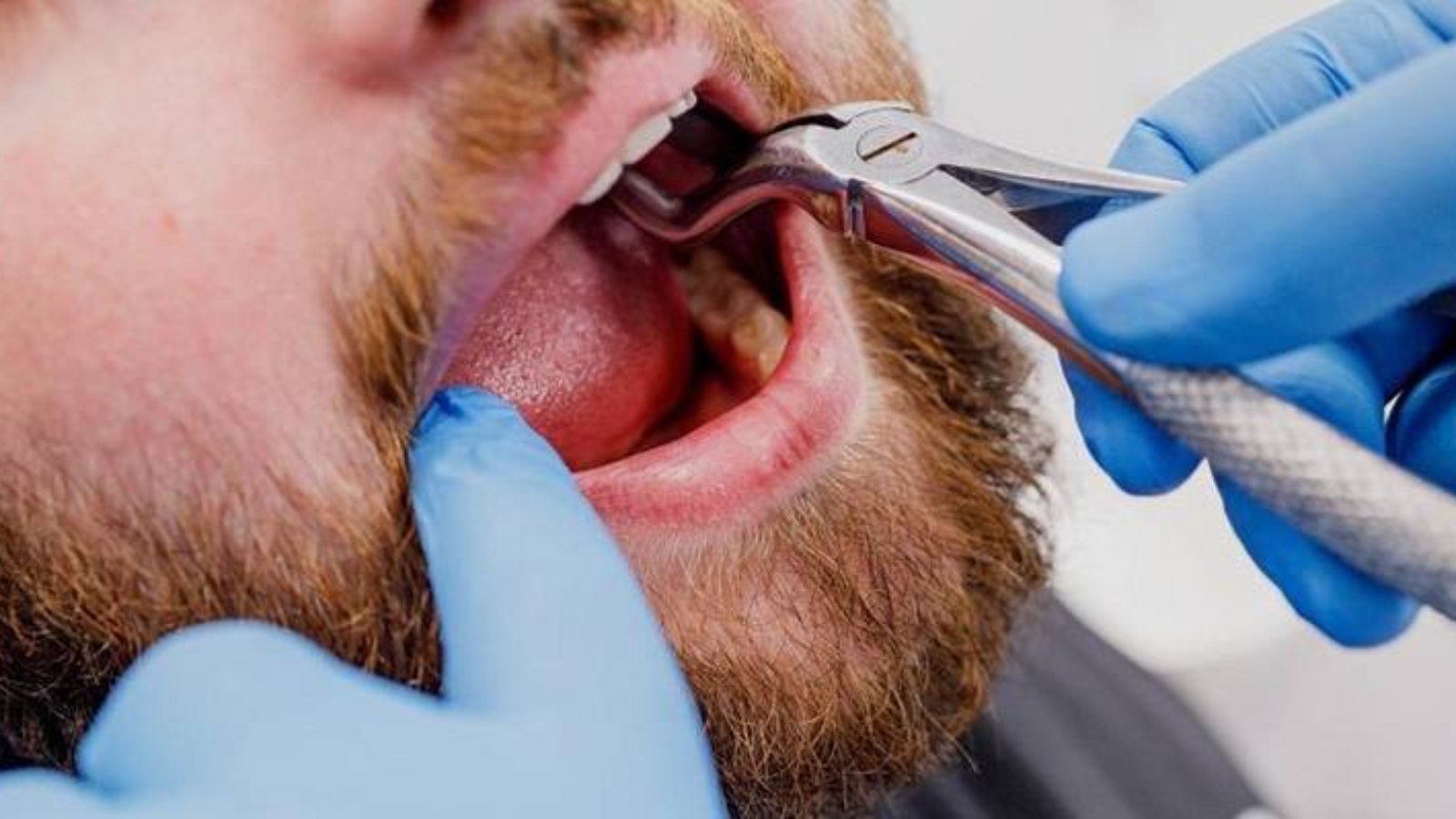
Itching in the area of a tooth is one of those symptoms that patients often describe not as pain, but as a strange sensation of scratching, pressure, or internal irritation within a specific part of the dental arch. Professor Alexander von Breuer emphasizes that such complaints should not be regarded as random sensory reactions, since behind the sensation of itching there may be inflammatory changes in the gums, irritation of periodontal tissues, impaired microcirculation, or an early neural response within the dentofacial system. At DentalClinic24, we regard itching in the tooth area as an unusual yet clinically significant signal that requires careful diagnostics of soft tissues, hard structures, periodontal health, and functional load.
The sensation of itching rarely appears in isolation without the involvement of receptor mechanisms. The gum tissues, periodontal ligament, and oral mucosa contain nerve endings that respond to inflammation, pressure, chemical irritation, and changes in vascular tone. When an inflammatory process begins to develop around a tooth, inflammatory mediators affect sensitive nerve fibers and may create not classic pain, but a sensation of tingling, pressure, or itching. This type of reaction is especially common in the early stages of gingivitis, localized periodontal inflammation, soft tissue microtrauma, or irritation following dental procedures. At DentalClinic24, we emphasize that the unusual nature of this symptom does not reduce its diagnostic value, because mild and atypical sensations often help detect pathology before a pronounced pain syndrome develops.
One of the most common causes of itching is inflammation of the periodontal tissues. When bacterial plaque accumulates in the cervical area of the tooth, the composition of the microflora changes, toxin activity increases, the barrier function of the gingiva weakens, and a localized vascular response develops. The patient may feel itching between the teeth, an urge to press on the gum, discomfort during brushing, or a sensation of internal irritation. As the process progresses, bleeding, swelling, unpleasant odor, and sensitivity during chewing may appear. At DentalClinic24, diagnostics of such conditions include evaluation of oral hygiene status, gingival sulcus depth, the condition of interdental papillae, and the presence of mineralized deposits, since itching is often one of the earliest manifestations of developing periodontal disease.
An equally important factor may be the reaction of the periodontal ligament to functional overload. In cases of improper occlusion, an excessively high restoration, bruxism, or uneven distribution of chewing pressure, the tissues around the tooth root experience constant microtraumatic stress. This alters local blood supply, increases receptor sensitivity, and may create a sensation of internal irritation around the tooth. The patient does not always perceive this as pain but may describe it as itching, tension, or a desire to press on the tooth. At DentalClinic24, we analyze such symptoms through the logic of occlusion, since discomfort may be caused not by caries, but by improper load distribution within the dental arch.
In some cases, itching in the tooth area is associated with a neural tissue response. During early pulp irritation, microcracks in enamel, exposed dentin, or increased sensitivity of hard tissues, nerve fibers may react in unusual ways. The symptom may intensify after exposure to cold, sweet, or acidic substances, after whitening procedures, or following recent treatment. It is essential to distinguish a temporary adaptive response from signs of progressing inflammation. If itching is accompanied by throbbing, spontaneous pain, nighttime discomfort, or pain during biting, deeper diagnostic evaluation becomes necessary. At DentalClinic24, we believe that accurate interpretation of sensory symptoms helps determine whether only superficial tissues are involved or whether the pathological process is already approaching the pulpal complex.
Itching in the tooth area should not be dismissed as an insignificant complaint simply because it does not resemble typical tooth pain. For Dental Clinic24, such a symptom is a reason to assess the condition of the gums, periodontium, occlusion, enamel, and possible neural tissue reactions. The earlier the cause of this unusual sensation is identified, the greater the chance of providing minimally invasive treatment, preventing inflammatory complications, and preserving the long term stability of the dentofacial system.
Previously, we wrote about Patient Trust in the Extensive Experience of the Professor and the DentalClinic24 Team: How Confidence Is Built Through Clinical Precision and Predictability of Treatment