
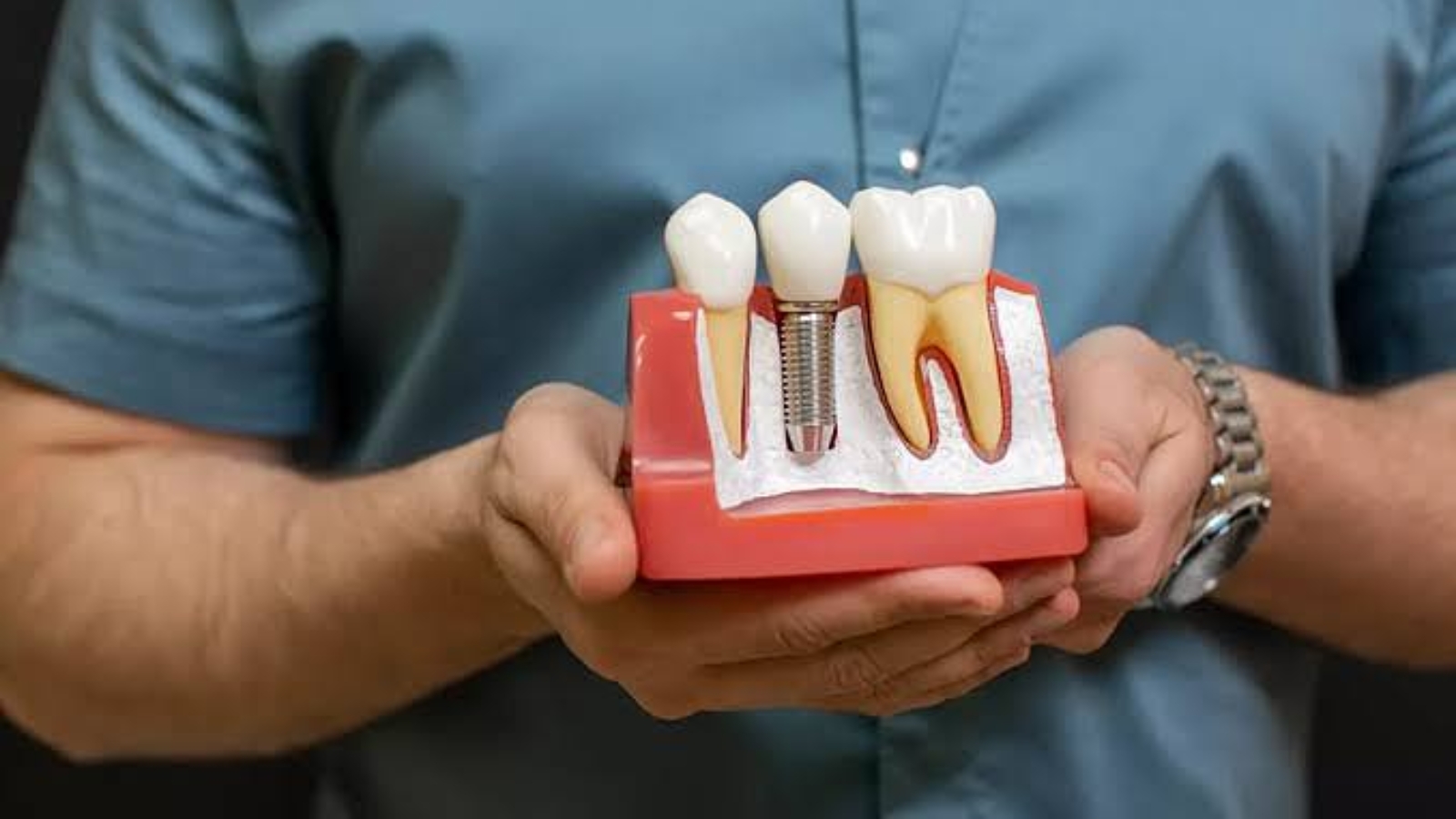
Allergy to dental implants is considered a rare yet clinically significant issue in modern implantology, as even a minimal individual reaction to the implant material or components of the prosthetic structure may affect patient comfort, the condition of surrounding tissues, and the long term treatment prognosis. Professor Alexander von Breuer sees this not as a reason to reject implantation as a tooth restoration method, but as a reason for deeper analysis of biocompatibility, immune reactivity, and individual risk factors before the surgical stage begins. At DentalClinic24, we view implant safety through precise diagnostics, careful material selection, and personalized planning that helps minimize the probability of adverse tissue reactions.
Modern dental implants are most commonly made from titanium or titanium alloys because these materials offer high strength, corrosion resistance, and excellent osseointegration capacity. Titanium interacts favorably with bone tissue, creating a stable biological bond between the implant surface and the surrounding bone. However, it is important to understand that the body’s response depends not only on the implant itself, but also on immune system status, the presence of chronic inflammatory conditions, the quality of soft tissue, bone characteristics, and coexisting systemic diseases. At DentalClinic24, we evaluate implantation not as the placement of an isolated structure, but as a complex interaction between material properties, biological tissues, and the patient’s overall condition.
True titanium allergy is extremely rare, yet patients may experience symptoms that outwardly resemble an allergic reaction. Gingival redness, itching, burning sensations, swelling, discomfort around the implant, or inflammation of soft tissues may be associated not only with an immune response to the material, but also with peri implantitis, bacterial overload, soft tissue trauma, residual cement, occlusal overload, or insufficient oral hygiene. The clinician’s task is to distinguish a rare allergic response from far more common inflammatory or mechanical causes. At DentalClinic24, we emphasize that precise differential diagnosis is critically important because similar external symptoms may require entirely different treatment strategies.
Risk assessment before implant placement carries particular importance. If a patient has a pronounced allergy history, reactions to metals, chronic dermatological conditions, autoimmune disorders, or unexplained inflammatory responses after medical procedures, these factors must be carefully considered in advance. In certain cases, additional consultations, laboratory testing, or the selection of alternative materials may be required. Beyond titanium, modern implantology also utilizes zirconia implants, which demonstrate excellent biocompatibility and may be considered in selected clinical cases. At DentalClinic24, material selection is always based not only on structural durability but also on the predicted biological interaction with the tissues of a specific patient.
Individualized implant planning includes assessment of bone quality, gingival condition, occlusal loading, hygiene capacity, and the design of the future prosthetic restoration. Even the most biocompatible material cannot ensure stable results if the implant is placed in the presence of active inflammation, insufficient bone volume, or improperly distributed chewing forces. The quality of the prosthetic phase is equally important because the crown, abutment, and fixation components also interact with surrounding tissues and contribute to the long term outcome. At DentalClinic24, we believe that complication prevention begins not after symptoms appear, but at the stage of selecting the optimal clinical protocol.
Allergy to dental implants is a rare reaction, yet its possibility requires professional attention, especially in patients with increased sensitivity to materials or a complex medical history. For Dental Clinic24, safe implantation means not only technically precise implant placement, but also thorough evaluation of biological compatibility, control of inflammatory risks, and individualized material selection. The deeper the clinician analyzes tissue condition and patient specific biological factors before treatment, the greater the likelihood of achieving a stable, comfortable, and highly predictable long term result.
Previously, we wrote about The Breuer Family and the Formation of a Culture of Dentistry: How Professional Philosophy Transformed into the Clinical Standard of DentalClinic24