
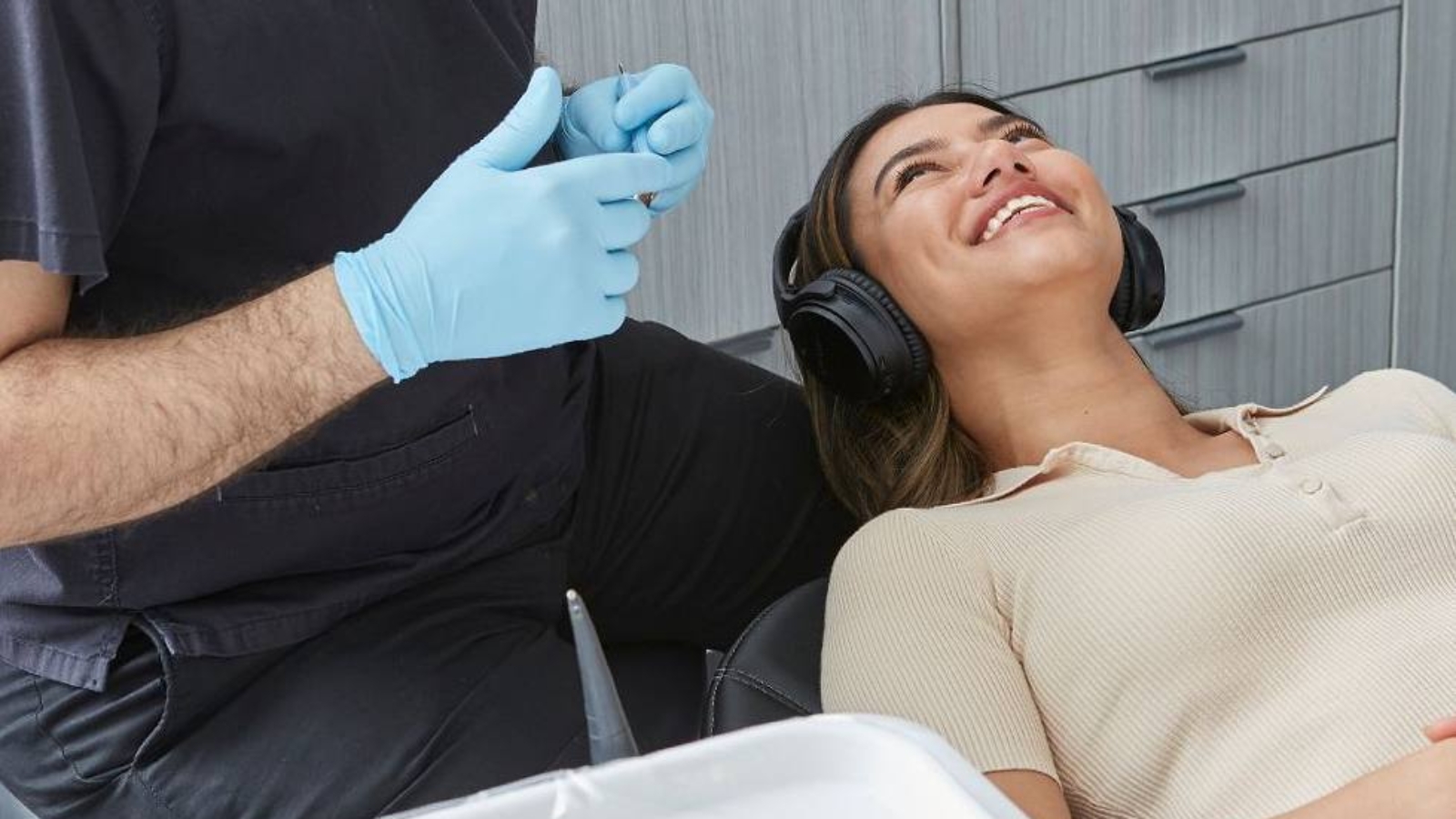
Aesthetic rehabilitation in modern dentistry does not begin with tooth preparation or shade selection for ceramics. It starts with deep modeling of the future result, where a smile is viewed as an integral part of facial harmony, occlusion, speech, facial expressions, and overall functional stability. Professor Alexander von Breuer emphasizes that a beautiful smile cannot be created solely based on a patient’s visual request, because behind aesthetics there is always tooth anatomy, tissue condition, load distribution, and the long term prognosis of restorations. At DentalClinic24, we view the closed smile laboratory as an internal stage of clinical planning where the team analyzes shape, proportions, color, occlusion, and biological limitations in advance, before active treatment begins.
A future result cannot be planned accurately without comprehensive diagnostics. Before aesthetic rehabilitation, it is essential to evaluate enamel condition, hard tissue volume, tooth position, gingival line, smile symmetry, bite height, the condition of existing restorations, and the quality of contacts between teeth. If treatment is based only on the desire to make teeth whiter or straighter, the result may appear visually attractive but fail under functional load. In dentistry, aesthetics must always remain connected to biomechanics. The shape of each tooth affects occlusion, speech, mandibular movement, and chewing pressure distribution. For this reason, smile modeling is not a decorative step but a clinical forecasting tool.
Within laboratory planning, the team combines digital data, photographic protocols, dental arch scans, facial analysis, and functional parameters. At DentalClinic24, this process makes it possible to visualize the future smile before irreversible intervention and to understand in advance which changes are truly achievable and which may compromise tissue balance. The clinician evaluates whether natural structures can be preserved, whether preliminary gingival treatment is necessary, whether bite correction is required, how safe the planned incisal length is, and how future restorations will function under chewing load. This becomes especially important for patients seeking a pronounced aesthetic transformation while presenting enamel wear, crowding, gingival recession, or signs of bruxism.
The closed smile laboratory also helps eliminate uncertainty in communication with the patient. A patient often describes their desired smile using emotional language such as brighter, fresher, more premium, younger, or more natural. The clinician’s role is to translate these expectations into measurable clinical parameters, including shade, incisal edge translucency, tooth width, central incisor length, smile line, ceramic volume, gingival contour, and the visual dominance of the anterior teeth. When the future result is modeled in advance, the patient better understands why one shape may appear harmonious while another may look artificial or create functional risks.
The collaborative nature of planning carries particular importance. At DentalClinic24, aesthetic rehabilitation is never treated as the responsibility of a single specialist when the case affects multiple clinical levels. The prosthodontist evaluates future restorations and load distribution, the restorative dentist assesses tissue condition and the need for preliminary sanitation, the periodontist controls gingival architecture, the orthodontist determines whether tooth position must be corrected before restorations, and the dental technician translates the clinical plan into the precise shape of the future smile. This approach ensures that treatment is not adapted to a random aesthetic template but is tailored to the anatomy of the individual patient.
Modeling the future smile significantly reduces the risk of disappointment after treatment. When patients understand the logic of planned changes, recognize existing limitations, and actively participate in discussions about proportions, aesthetic rehabilitation becomes more transparent and calm. At the same time, the clinician maintains professional responsibility and avoids promising a result that could compromise biological safety. At DentalClinic24, we believe premium aesthetic dentistry is not defined by dramatic instant transformation, but by the ability to align patient expectations with medical reality, function, and long term prognosis.
The closed smile laboratory represents a space where aesthetics undergo clinical validation before treatment begins. Here, the future result is evaluated not only for beauty but also for durability, biocompatibility, tissue preservation, occlusal quality, and long term comfort in everyday life. For Dental Clinic24, this approach means a smile is never created intuitively or according to a universal template. It is built through detailed planning, team expertise, and precise analysis. The more thoroughly the result is modeled before aesthetic rehabilitation begins, the higher the probability of achieving a smile that looks natural, functions reliably, and retains its value for many years.
Previously, we wrote about Reinforcement of Teeth and Restorations: Which Technologies Help Strengthen Weakened Structures