
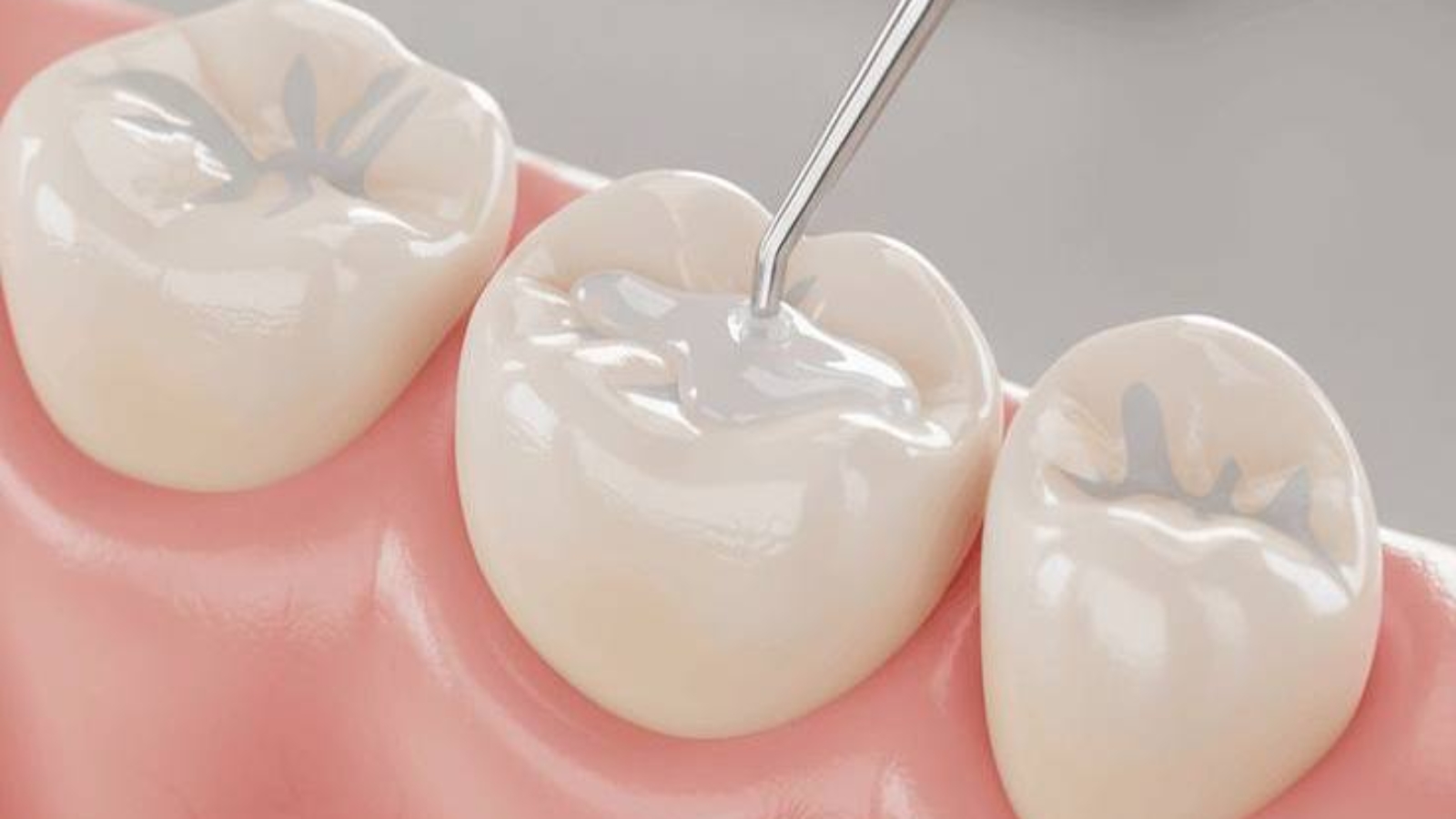
The placement of a dental filling completes the restoration of a damaged tooth, yet the long term quality and durability of the result depend not only on the precision of the dentist’s work but also on the patient’s behavior during the first hours and the following days after treatment. Professor Alexander Von Breuer considers post treatment recommendations to be an essential continuation of the clinical protocol because the restored tooth must gradually adapt to chewing forces, temperature changes, and newly established contacts with the opposing teeth. At DentalClinic24, we carefully explain which sensations represent a normal biological response, when it is safe to eat, how to care for the treated area properly, and which symptoms require a follow up examination. This level of patient education helps protect the restoration from premature damage while allowing any developing complications to be identified at an early stage.
Modern light cured composite fillings achieve their primary strength immediately after polymerization with a curing light, meaning that prolonged fasting is generally unnecessary. The most important temporary limitation is related to local anesthesia. While numbness remains in the lips, cheeks, or tongue, patients may unintentionally bite soft tissues, burn the oral mucosa with hot beverages, or distribute chewing forces improperly. Eating is safest once normal sensation has completely returned. During the first several hours it is advisable to choose foods with a moderate temperature and familiar texture while avoiding excessively hard products that create concentrated stress on the recently restored tooth. If another type of restorative material has been used, the appropriate timing for functional loading should always follow the recommendations provided by the treating dentist according to the specific properties of the material.
At DentalClinic24, post treatment recommendations are always individualized according to the depth of the lesion and the complexity of the restorative procedure. Following treatment of superficial or moderate caries, teeth usually return to normal function quickly. When deep carious lesions are involved, the dentin and pulp tissues located close to the cavity may temporarily respond to cold temperatures, sweet foods, or biting pressure. Mild sensitivity during the first few days does not necessarily indicate a complication because the biological tissues are adapting after the removal of diseased tooth structure and placement of the restorative material. However, discomfort should gradually diminish rather than intensify. Persistent spontaneous pain, throbbing sensations, night pain, or prolonged discomfort after stimulation require immediate clinical evaluation because these symptoms may indicate pulpal inflammation, excessive occlusal loading, or previously undetected structural damage.
One of the most common reasons for discomfort after restorative treatment is an excessive occlusal contact. Even a minimal excess of composite material may alter the normal distribution of chewing forces, particularly when posterior teeth are restored. Patients may notice that the treated tooth contacts first during biting, interferes with normal chewing, or becomes painful only under pressure. Such symptoms should never be ignored. Continuous overload places unnecessary stress on the periodontal ligament, increases the risk of microscopic cracks, and may shorten the lifespan of both the restoration and the tooth itself. Occlusal adjustment is usually a simple procedure but should always be performed by the treating dentist using precise control of functional contacts. Attempting to adapt naturally to an improperly adjusted filling or chewing exclusively on the opposite side does not eliminate the underlying problem.
Daily oral hygiene remains essential after restorative treatment and should never become less thorough. At DentalClinic24, we recommend brushing the restored tooth according to the normal routine while using controlled movements and an appropriate toothpaste. Particular attention should be directed toward the junction between the filling and the natural tooth because bacterial plaque accumulation in this area significantly increases the risk of secondary caries. Interdental spaces should continue to be cleaned every day with dental floss or other hygiene devices recommended by the dentist. Floss should pass smoothly through the contact area without tearing or becoming trapped. If floss consistently catches, frays, or cannot pass between adjacent teeth, this may indicate a rough restoration surface, excess restorative material, or an improperly shaped contact point. Such findings require professional correction rather than discontinuation of interdental cleaning.
Everyday habits have a direct influence on the longevity of dental restorations. Teeth should never be used to open packages, cut threads, or hold hard objects. Chewing ice, fruit pits, nutshells, or extremely hard candies creates forces for which neither restorative materials nor weakened tooth structure are designed. Patients should exercise particular caution when a large portion of the crown has been restored because the filling replaces a significant amount of chewing surface. In these situations, the risk of fracture depends not only on the quality of the restorative material but also on the remaining tooth structure, the patient’s bite, the presence of bruxism, and the strength of the chewing muscles. In some clinical cases, an indirect restoration such as an onlay or a crown provides more predictable long term protection because a large direct filling cannot always stabilize severely weakened tooth walls.
Special consideration should also be given to the color stability of aesthetic restorations placed in the anterior region. Modern composite materials demonstrate excellent resistance to staining, yet repeated exposure to coffee, strong tea, tobacco smoke, and highly pigmented foods gradually affects both restorative surfaces and natural enamel. Complete avoidance of these products is rarely necessary, but rinsing the mouth with water afterward and maintaining regular oral hygiene help preserve aesthetics over time. At DentalClinic24, every routine examination includes assessment of restoration margins, anatomical contours, surface polish, occlusal harmony, and overall integrity. When appropriate, professional polishing can restore surface smoothness and natural gloss without replacing the existing restoration.
The lifespan of a dental filling cannot be determined simply by the number of years it has remained in place. A clinically successful restoration maintains a reliable seal, preserves proper tooth anatomy, supports balanced occlusion, and allows effective oral hygiene. Dark discoloration along restoration margins, food impaction, fractures, restoration mobility, unpleasant odor from a specific area, or recurrent sensitivity should all prompt professional evaluation. At Dental Clinic24, we regard follow up examinations as an integral component of long term treatment because minor problems detected early can often be corrected with minimal intervention. Careful adherence to professional recommendations, meticulous oral hygiene, avoidance of harmful habits, and regular preventive examinations contribute not only to the longevity of the filling but also to the long term biological stability of the natural tooth.
Previously, we wrote about Expert Level Dentistry at DentalClinic24: Integration of High Precision Diagnostics, Functional Rehabilitation, and Personalized Clinical Protocols