
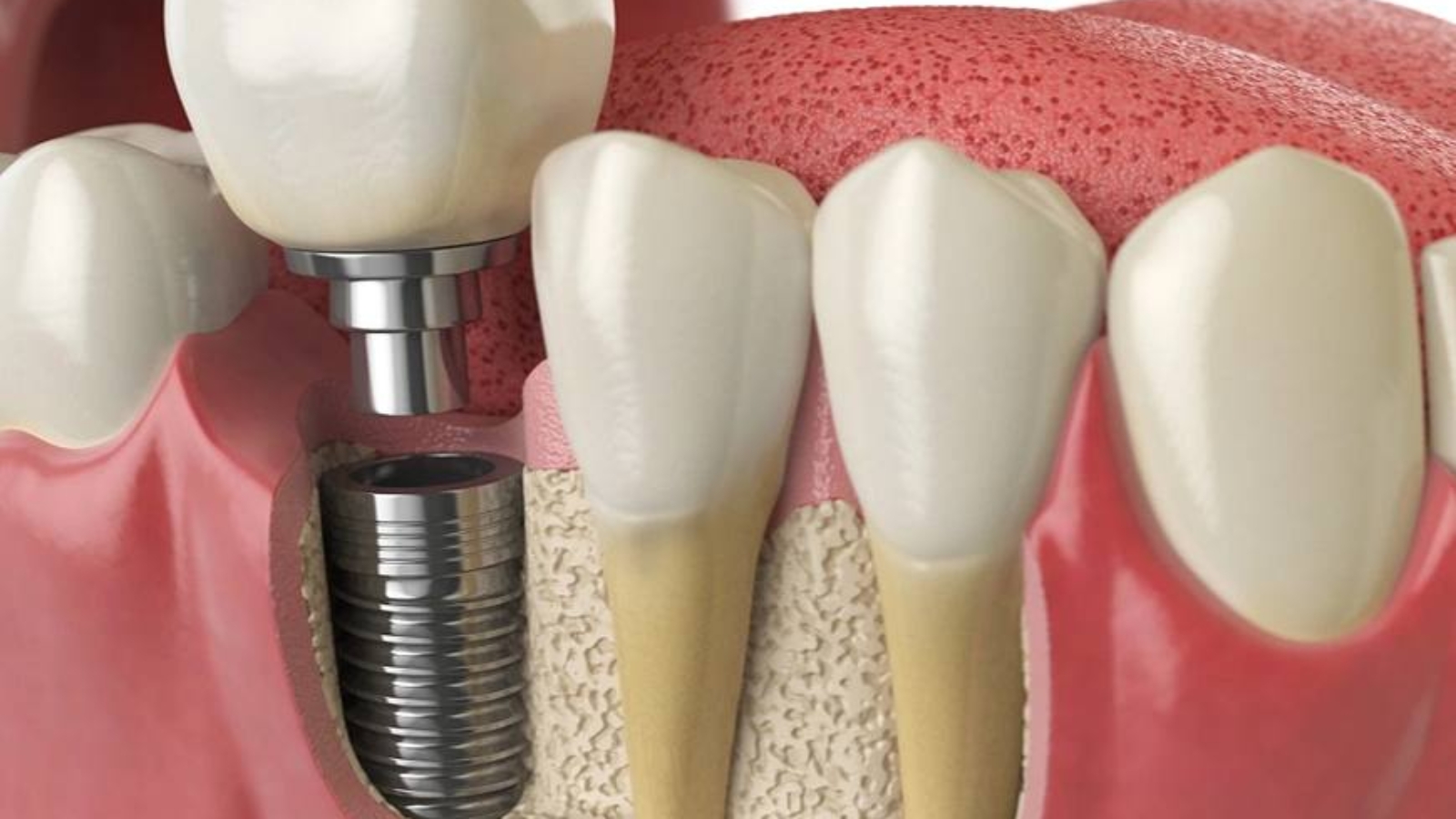
Full mouth implant rehabilitation is often perceived by patients as a complex and potentially painful procedure because treatment may involve the extraction of non restorable teeth, placement of multiple dental implants, bone augmentation procedures, and the subsequent fixation of a temporary prosthetic restoration. In reality, the intensity of discomfort depends far less on the scale of surgery than on the quality of diagnostics, the choice of anesthesia, the precision of the surgical protocol, and continuous postoperative care. Professor Alexander Von Breuer notes that patient comfort should be planned with the same level of precision as implant positioning because predictable treatment cannot be achieved without considering pain sensitivity, anxiety levels, overall health, and each patient’s individual biological response. At DentalClinic24, we carefully evaluate every factor capable of influencing the patient’s well being and design each stage of treatment so that surgery remains pain free while the healing period is carefully controlled, predictable, and clearly understood.
During surgery, pain is effectively eliminated through local anesthesia, which temporarily blocks nerve impulse transmission from the treated area. Although patients may still perceive pressure, vibration, movement of instruments, or manipulation within the oral cavity, they should not experience sharp pain throughout the procedure. Before surgery begins, the clinician carefully verifies the effectiveness of anesthesia and supplements it whenever necessary. The type and amount of anesthetic are individually selected according to treatment duration, surgical location, soft tissue condition, and the patient’s complete medical history. If a patient has previously experienced reduced anesthetic effectiveness, significant dental anxiety, or unusual reactions to anesthetic medications, these factors become an essential part of preoperative planning. Effective pain control therefore begins long before the first surgical incision, during the initial consultation where previous treatment experiences and potential clinical risks are thoroughly evaluated.
At DentalClinic24, preparation for full mouth implant rehabilitation includes cone beam computed tomography, digital implant planning, evaluation of bone volume, assessment of soft tissue quality, and precise identification of important anatomical structures. The more accurately the surgical procedure is planned, the less need there is for expanding the surgical field or performing unexpected intraoperative modifications. Surgical guides together with carefully calculated implant positioning allow clinicians to control implant depth, angulation, and spacing with exceptional precision. This minimizes tissue trauma, shortens surgical time, and contributes to a more comfortable postoperative recovery. Whenever tooth extraction is necessary, every effort is made to preserve the surrounding socket walls because atraumatic surgical techniques influence not only the long term success of implant therapy but also the severity of postoperative swelling, inflammation, and discomfort experienced during the first days of healing.
Many patients find lengthy surgical procedures emotionally challenging not because of pain itself but because of anxiety, fatigue, or fear associated with oral surgery. In selected clinical situations, conscious intravenous sedation may therefore be considered following comprehensive evaluation of the patient’s medical condition. Sedation significantly reduces emotional stress and creates a calmer psychological experience while never replacing local anesthesia. Every decision regarding sedation is individualized, particularly in patients with cardiovascular disease, respiratory disorders, ongoing medication therapy, or other medical conditions that may influence procedural safety. Patients receive detailed preoperative instructions regarding preparation, postoperative supervision, and temporary activity restrictions because comprehensive comfort management extends well beyond the surgical procedure itself and includes careful organization of the entire treatment experience.
After surgery, the anesthetic effect gradually subsides, allowing patients to experience moderate soreness, tissue tightness, swelling, and increased sensitivity within the operated area. These reactions represent the body’s normal inflammatory response to surgical treatment and are generally most noticeable during the first several postoperative days. At DentalClinic24, every patient receives individually tailored postoperative instructions covering prescribed medications, dietary recommendations, oral hygiene protocols, and limitations regarding physical activity. Patients are informed about which postoperative sensations represent normal healing and which symptoms require immediate professional evaluation. Scheduled follow up appointments allow clinicians to monitor soft tissue healing, evaluate temporary restorations, assess implant stability, and identify any early signs of complications. This structured follow up significantly reduces patient anxiety while ensuring continuous professional support throughout recovery.
The intensity of postoperative discomfort is determined primarily by the biological complexity of treatment rather than by the number of implants placed. Procedures involving bone grafting, sinus augmentation, multiple extractions, or extensive soft tissue reconstruction generally require a more demanding recovery than implant placement performed under favorable anatomical conditions. Nevertheless, pain intensity is not directly proportional to the number of implants inserted. A carefully planned procedure performed with minimal surgical trauma may be considerably easier for the patient than a smaller intervention conducted within severely inflamed tissues or areas with significant anatomical deficiencies. Clinical decision making should therefore focus on biological complexity instead of simply counting implants because tissue condition ultimately determines surgical duration, healing characteristics, and the level of postoperative care required.
Temporary prosthetic restorations also contribute significantly to postoperative comfort whenever they can be safely placed following achievement of adequate primary implant stability. Their function extends beyond restoring facial appearance because they also protect surgical sites, support surrounding soft tissues, and restore basic oral function during healing. At the same time, these restorations must avoid placing excessive functional forces upon newly inserted implants while osseointegration is taking place. At DentalClinic24, the design of every temporary prosthesis, its occlusal contacts, and force distribution are carefully adjusted according to each patient’s individual anatomy. Patients also receive personalized dietary recommendations and guidance regarding chewing patterns because overall comfort depends not only on anesthesia but equally on how well the reconstructed oral system functions during the earliest weeks of rehabilitation.
Pain that intensifies after an initial period of improvement, becomes associated with pronounced swelling, elevated body temperature, unpleasant taste, persistent bleeding, or prosthetic mobility should never be considered a normal part of recovery. Such symptoms require immediate professional examination. Attempting to modify prescribed medications independently or delaying clinical evaluation may complicate diagnosis and postpone appropriate treatment. During follow up appointments, the clinician carefully assesses tissue healing, occlusal function, oral hygiene, and performs radiographic examination whenever necessary. Early recognition of developing complications allows timely intervention before implant stability or long term treatment outcomes become compromised.
Full mouth implant rehabilitation should not be painful during surgery when anesthesia has been properly selected and continuously monitored throughout the entire procedure. Although temporary postoperative reactions are expected as tissues heal, their severity can be substantially reduced through meticulous treatment planning, minimally traumatic surgical techniques, and carefully structured postoperative care. At Dental Clinic24, patient comfort is regarded as a fundamental clinical outcome rather than an optional aspect of treatment. Patients should fully understand every stage of rehabilitation, know what sensations are expected during recovery, and maintain continuous communication with their clinical team throughout the healing process. This comprehensive approach allows even extensive implant rehabilitation to proceed safely, comfortably, and with highly predictable long term results.
Previously, we wrote about Patient Trust in the Extensive Experience of the Professor and the DentalClinic24 Team: How Confidence Is Built Through Clinical Precision and Predictability of Treatment