
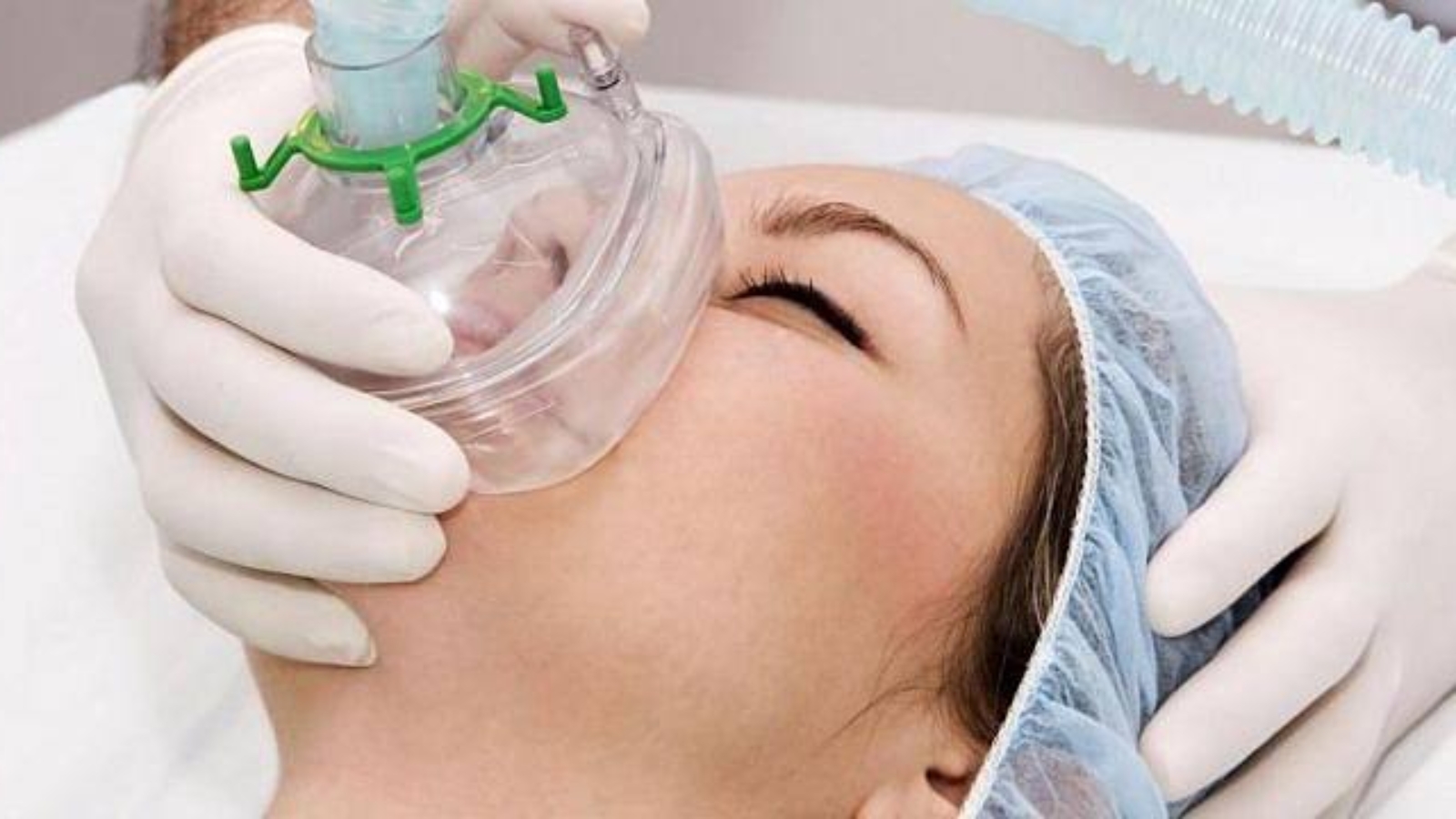
Sedation dentistry is not intended to make routine dental treatment simply more comfortable. It is a carefully selected medical approach used when significant anxiety, lengthy procedures, patient age, or specific medical conditions make treatment under full awareness more difficult or less predictable. Professor Alexander Von Breuer emphasizes that the safety of sedation depends not on the administration of sedative medications alone but on comprehensive preoperative evaluation, precise dosage selection, continuous physiological monitoring, and the readiness of the medical team to supervise the patient’s condition throughout every stage of treatment. At DentalClinic24, we regard sedation as a medical technology with clearly defined indications rather than a universal service. The decision to use it is made only after careful assessment of the patient’s medical history, the anticipated scope of dental treatment, the level of anxiety, and all individual risk factors.
Patients frequently use the term sedation to describe several different levels of medically induced relaxation. During minimal or moderate sedation, patients remain capable of responding to verbal communication, maintain spontaneous breathing, and preserve essential protective reflexes. Deeper levels of sedation require a substantially higher degree of clinical supervision because responsiveness decreases while respiratory and cardiovascular functions must be monitored continuously. The appropriate depth of sedation is determined according to treatment duration, patient age, emotional condition, and procedural complexity. Sedation should never be viewed as a substitute for local anesthesia because sedative medications reduce anxiety and conscious awareness, whereas complete pain control is achieved separately through carefully administered local anesthetics.
At DentalClinic24, preparation begins with an extensive medical assessment. The clinician reviews chronic medical conditions, allergic reactions, previous experiences with anesthesia or sedation, current medications, surgical history, and the overall condition of the respiratory system. Particular attention is given to cardiovascular disease, uncontrolled hypertension, bronchial asthma, coagulation disorders, obstructive sleep apnea, and significant obesity because these conditions may alter the body’s response to sedative medications. When necessary, additional diagnostic investigations or consultations with other medical specialists are recommended before treatment proceeds. If potential risks outweigh the anticipated benefits, sedation is either avoided entirely or performed only in an environment equipped to provide a higher level of anesthesiology support.
Before treatment, patients receive detailed instructions regarding food intake, fluid consumption, and the management of their regular medications. Compliance with the recommended fasting period is essential because it significantly reduces the possibility of gastric contents entering the respiratory tract during sedation. Patients should never discontinue prescribed medications independently because some medications must be continued according to their normal schedule, while others require carefully coordinated adjustments under medical supervision. The clinician also confirms who will accompany the patient home following treatment. Although recovery from sedation is often rapid, reaction time, coordination, and decision making may remain temporarily impaired. For this reason, patients should not drive, operate machinery, return to work involving complex tasks, or remain without responsible supervision until complete recovery has been achieved.
During the dental procedure, patient safety is maintained through continuous monitoring of vital physiological parameters. At DentalClinic24, we observe blood oxygen saturation, heart rate, blood pressure, respiratory function, and the patient’s response to clinical stimulation throughout the entire procedure. Sedation depth is evaluated continuously rather than only once because medication requirements may change depending on treatment duration and the patient’s biological response. Oxygen delivery systems, airway management equipment, and emergency medical resources remain immediately available whenever sedation is administered. Medication dosages are calculated individually and introduced gradually, allowing clinicians to achieve the required level of relaxation without unnecessarily increasing sedation depth.
The organization of responsibilities within the clinical team plays an equally important role in maintaining safety. The treating dentist concentrates entirely on the dental procedure, while a dedicated anesthesia professional supervises sedation and continuously monitors all vital functions. This separation of responsibilities substantially improves procedural safety, particularly during extensive surgical procedures, complex endodontic therapy, or comprehensive oral rehabilitation. The complete treatment plan is prepared in advance, and all necessary instruments and materials are organized before sedation begins to avoid unnecessary prolongation of medication exposure because of procedural delays. The more accurately the treatment sequence is planned, the lower the overall pharmacological burden and the more rapidly patients return to their normal physiological state.
Sedation may provide considerable benefits for patients experiencing severe dental anxiety, an exaggerated gag reflex, difficulty remaining still during treatment, or the need to complete extensive rehabilitation within a single appointment. In pediatric dentistry, however, indications require particularly careful evaluation because every decision must consider the child’s age, ability to cooperate, planned treatment complexity, and overall health status. Anxiety alone does not automatically justify sedation. Many young patients respond successfully to gradual behavioral adaptation, progressive familiarization with the clinical environment, or treatment divided into several shorter appointments. Sedation is selected only when it genuinely improves procedural safety while allowing necessary treatment to be completed without psychological trauma or uncontrolled movement.
Following completion of treatment, patients are transferred to a supervised recovery area where the clinical team continues monitoring consciousness, breathing, blood pressure, and motor coordination. At DentalClinic24, discharge is permitted only after clearly established recovery criteria have been fulfilled rather than immediately after the patient awakens. Patients must demonstrate appropriate responsiveness, stable physiological parameters, and the ability to leave the clinic safely accompanied by a responsible adult. Before discharge, detailed written instructions are provided regarding nutrition, prescribed medications, recommended physical activity, and postoperative expectations. Patients are also informed about symptoms that require immediate professional attention, including breathing difficulties, unusual weakness, repeated vomiting, significant dizziness, or unexpected reactions to prescribed medications.
Sedation cannot be described as completely risk free. Temporary changes in blood pressure, reductions in blood oxygen saturation, nausea, delayed awakening, or individual sensitivity to medications remain possible despite careful planning. Nevertheless, the probability of complications decreases substantially when patients are appropriately selected, preparation protocols are followed, continuous monitoring is maintained, and treatment is performed by a qualified multidisciplinary team. Clinical risk is most often associated not with sedation itself but with its inappropriate application in the absence of comprehensive diagnostics, suitable equipment, or standardized medical protocols. For this reason, promises of absolute safety are medically inaccurate, whereas a carefully controlled clinical approach allows sedation to remain both predictable and justified.
At Dental Clinic24, sedation is regarded as an integral component of a comprehensive treatment strategy where patient comfort is inseparable from medical responsibility. We evaluate clinical indications, carefully balance benefits against potential risks, select the minimum level of sedation necessary for each individual, and provide continuous supervision until complete physiological recovery has been achieved. When properly organized, this approach allows lengthy and technically demanding dental procedures to be performed safely while reducing emotional stress and maintaining the highest standards of clinical quality. The foundation of successful sedation lies not in the technique itself but in accurate diagnosis, individualized medication planning, uninterrupted monitoring, and the clinical team’s constant readiness to respond appropriately to any change in the patient’s condition.
Previously, we wrote about The Optimal Age for Orthodontic Treatment: How DentalClinic24 Determines the Right Time for Braces Based on Bite Development