
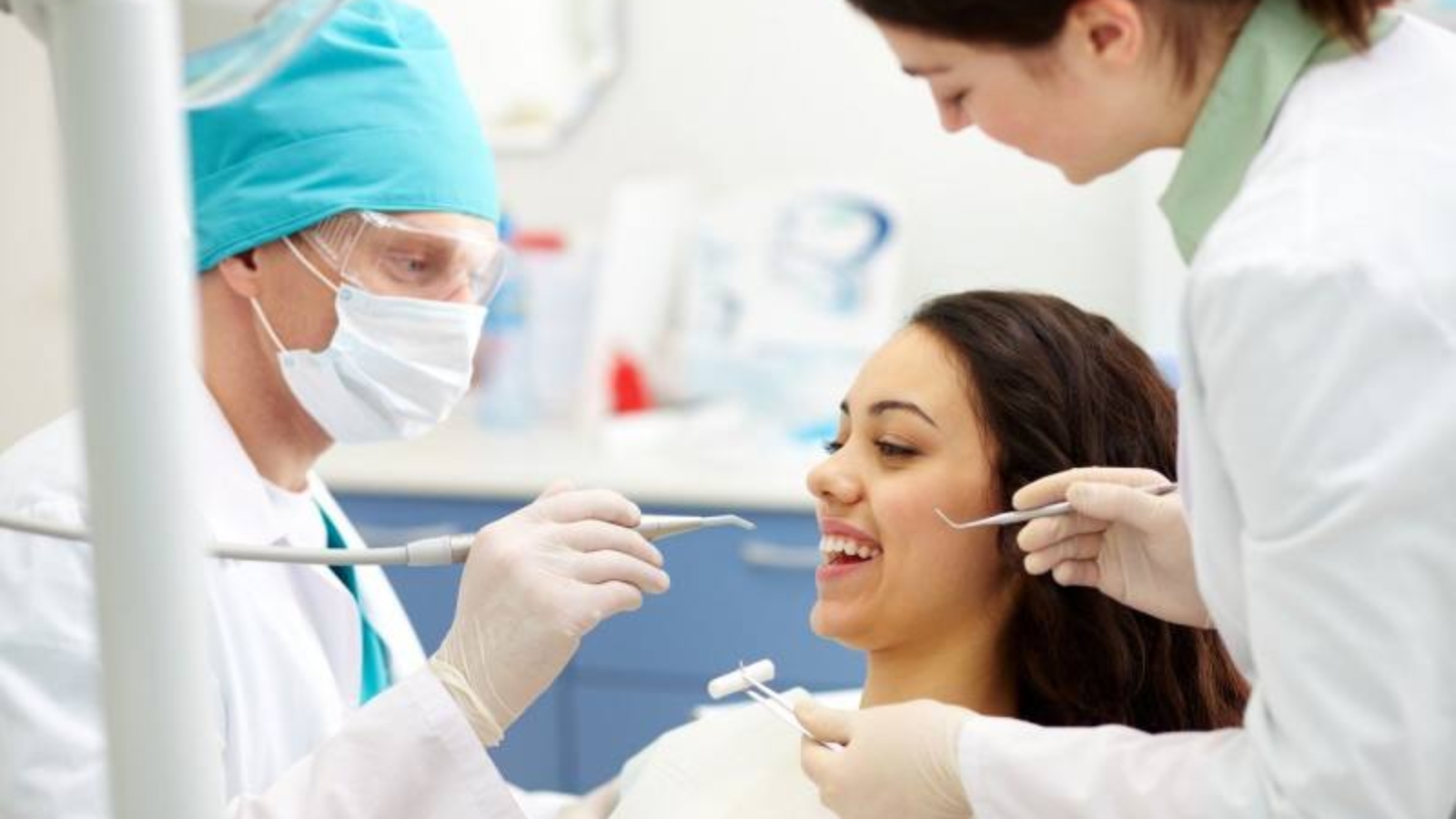
Preventive dentistry begins long before a tooth becomes sensitive to cold or the gums begin to bleed. It starts at the stage when pathological changes are still clinically silent and can be stopped without complex restorative treatment. Professor Alexander Von Breuer considers the primary indicator of high quality preventive dentistry to be the ability to identify individual risk factors before pain, tissue destruction, or functional impairment develops. At DentalClinic24, we view oral health as a dynamic biological condition influenced by enamel quality, saliva composition, bacterial biofilm activity, occlusion, periodontal health, nutrition, and the patient’s daily habits. This philosophy allows us to move beyond general recommendations such as brushing twice a day and instead develop a personalized preventive strategy designed to preserve natural tissues while significantly reducing the likelihood of future dental treatment.
Many oral diseases develop without obvious clinical symptoms. Early carious lesions may form beneath contact areas between adjacent teeth, gingival inflammation frequently begins without discomfort, and excessive occlusal loading can remain unnoticed for years while gradually wearing away the enamel. Patients often assume that the absence of pain means their oral cavity is healthy, yet biological stability cannot be judged solely by subjective sensations. Dental biofilm constantly interacts with dietary carbohydrates, alters the oral pH, and progressively disrupts the mineral balance of enamel. If saliva is unable to neutralize these acidic conditions efficiently and oral hygiene leaves difficult to reach areas insufficiently cleaned, demineralization begins. At this stage, the tooth surface often remains structurally intact, making it possible to prevent cavity formation through remineralization therapy and improvements in daily oral care rather than restorative intervention.
At DentalClinic24, every preventive appointment begins with evaluating not only the current condition of the teeth but also the rate at which new changes develop over time. The clinician carefully assesses the quality of existing restorations, proximal contacts, gingival margins, periodontal pocket depth, gingival recession, and areas of hypersensitivity. Clinical photography plays an especially valuable role because sequential images provide objective documentation that allows subtle tissue changes to be compared over time. When necessary, targeted radiographs, panoramic imaging, or cone beam computed tomography are incorporated into the diagnostic process. These examinations make it possible to identify hidden carious lesions, periapical pathology, early bone loss, and structural defects that cannot be detected through visual examination alone.
Professional dental hygiene represents an essential component of preventive care, yet its purpose extends far beyond the cosmetic removal of stains. Mineralized deposits create rough surfaces that promote rapid bacterial accumulation. Around the gingival margin, these deposits maintain chronic inflammation, contribute to bleeding, and gradually destroy the tissues responsible for supporting the teeth. During professional cleaning, the dentist or dental hygienist removes both soft and hard deposits, polishes tooth surfaces, and evaluates areas where home care remains insufficient. The appropriate interval between hygiene appointments is determined individually. Patients with excellent plaque control and healthy periodontal tissues require a different maintenance schedule than individuals undergoing orthodontic treatment, living with dental implants, or demonstrating a tendency toward rapid calculus formation.
Daily oral hygiene becomes truly effective only when oral care products correspond to the patient’s individual anatomy. A conventional toothbrush effectively cleans the outer, inner, and chewing surfaces of the teeth but cannot adequately reach tight interproximal areas. At DentalClinic24, we select dental floss, interdental brushes, single tuft brushes, and additional oral hygiene aids according to interdental space dimensions, gingival condition, restorative status, and the patient’s manual dexterity. An interdental brush that is too large may traumatize soft tissues, while one that is too small cannot remove bacterial biofilm effectively. During clinical appointments, the dentist demonstrates proper techniques directly in the patient’s mouth and explains which anatomical areas require particular attention. This personalized education corrects habitual mistakes that cannot be eliminated simply by brushing for a longer period.
Nutrition influences caries development as significantly as the quality of toothpaste. The frequency of exposure to sugars and fermentable carbohydrates is particularly important. Every snack initiates a new period of reduced oral pH during which enamel loses valuable minerals. When sweetened beverages, pastries, dried fruit, or sweetened coffee are consumed repeatedly throughout the day, saliva does not have sufficient time to restore a neutral environment. Effective preventive care therefore focuses on reducing the frequency of these acidic episodes, encouraging water consumption between meals, and maintaining healthy salivary flow. Dry mouth deserves special clinical attention because reduced saliva production weakens the natural protective mechanisms of enamel, decreases self cleansing capacity, and substantially increases the risk of mucosal inflammation.
The condition of the gingival tissues should also be monitored before noticeable symptoms appear. Bleeding during tooth brushing is not considered normal and frequently indicates an inflammatory response caused by bacterial biofilm accumulation. At its earliest stage, gingivitis remains completely reversible when oral hygiene is improved and professional cleaning is performed. If inflammation persists over time, it may gradually spread to the periodontal ligament and supporting bone, eventually progressing into periodontitis. At DentalClinic24, we evaluate not only bleeding but also periodontal pocket depth, gingival stability, tooth mobility, and the distribution of functional forces. This comprehensive assessment allows superficial inflammation to be distinguished from more advanced periodontal destruction so that treatment can begin before significant supporting tissues are permanently lost.
Functional prevention also includes monitoring occlusion, tooth wear, and the condition of the temporomandibular joints. When excessive forces are concentrated on individual teeth, enamel cracks, cervical lesions, and restoration fractures may gradually develop. Nighttime bruxism can slowly reduce crown height, overload the masticatory muscles, and compromise the long term stability of prosthetic restorations. These changes rarely begin with acute pain, making careful clinical evaluation essential. The dentist analyzes occlusal contacts, wear patterns, mandibular position, and complaints such as morning muscle fatigue. When indicated, protective occlusal splints, occlusal adjustment, or additional diagnostic procedures are recommended. Early recognition of functional overload allows natural dental tissues to be preserved before irreversible structural loss occurs.
The frequency of preventive dental visits should never be determined by a universal schedule applicable to every patient. Individuals with low caries risk, healthy periodontal tissues, and stable restorations may require only routine examinations at standard intervals. Patients with multiple restorations, orthodontic appliances, dental implants, xerostomia, periodontal disease, or high caries activity benefit from more frequent monitoring. At DentalClinic24, the interval between examinations is determined according to the patient’s clinical dynamics rather than the calendar alone. This individualized strategy enables new pathological changes to be identified while they remain minimal and treatment can still be performed using the most conservative approach possible.
Preventive dentistry becomes truly effective when patients understand their personal risk factors and actively participate in protecting their oral health every day. At Dental Clinic24, we integrate comprehensive diagnostics, professional hygiene, individualized home care recommendations, nutritional assessment, and functional monitoring into a unified preventive system. The purpose of this approach is not to increase the number of dental procedures but to reduce the future need for complex treatment. When the earliest biological changes are identified before pain, enamel destruction, or supporting bone loss occur, natural teeth can often be preserved with minimal clinical intervention. A structured preventive strategy makes it possible to maintain oral health for many years while preserving natural function, occlusal stability, and the patient’s overall quality of life.
Previously, we wrote about The Condition of the Pulp Dentin Complex: How DentalClinic24 Assesses Tooth Vitality Before Treatment