
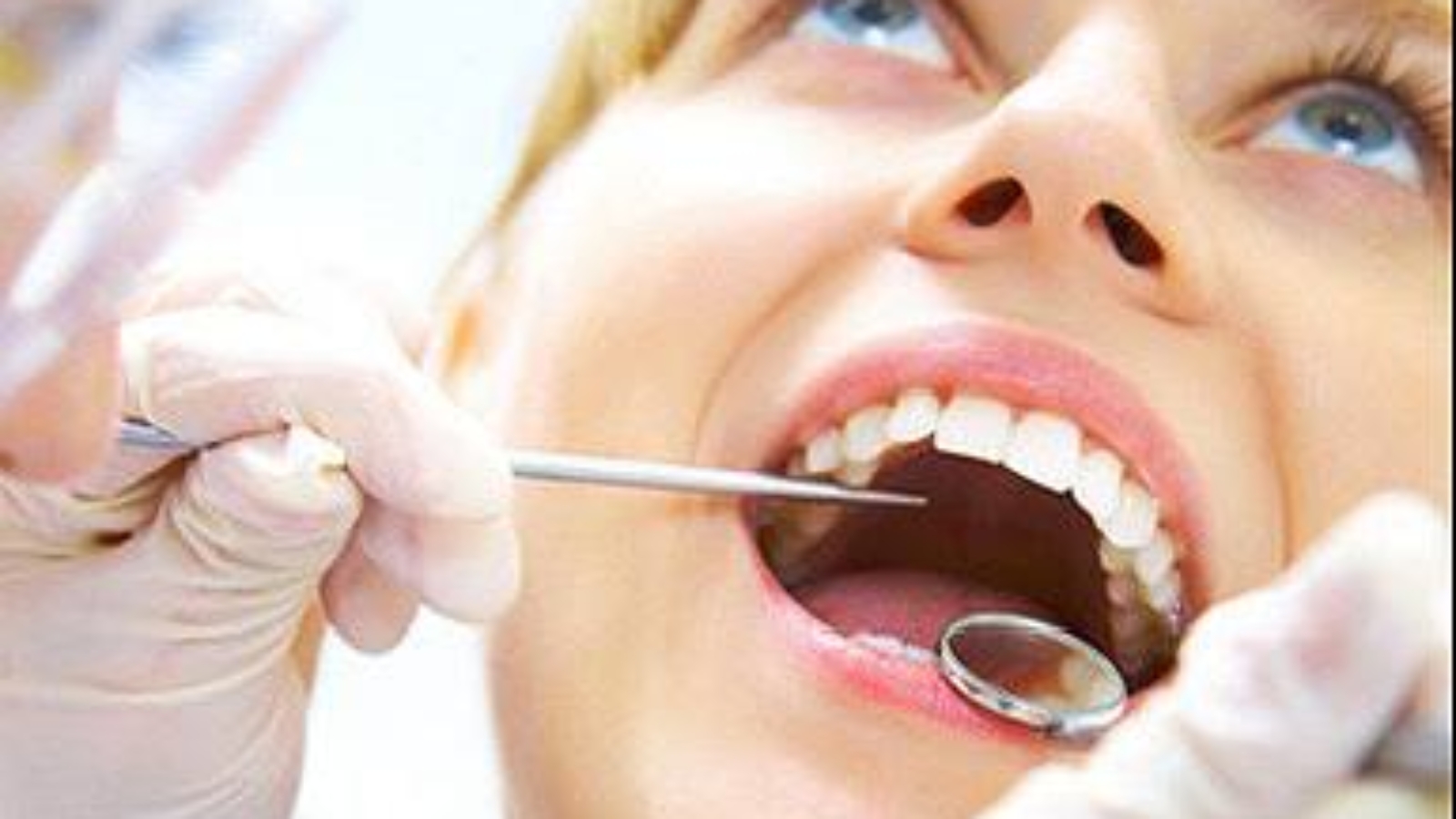
Regular dental examinations provide clinical value long before pain develops, enamel defects become visible, or gingival inflammation reaches an advanced stage. Professor Alexander Von Breuer notes that long term tooth preservation depends not only on the quality of treatment already performed but also on the clinician’s ability to recognize the earliest biological changes before they become noticeable to the patient. At DentalClinic24, we regard every preventive consultation as a structured diagnostic process designed to evaluate the condition of the teeth, periodontal tissues, existing restorations, occlusion, and oral mucosa over time. A preventive appointment is far more than a brief visual inspection. Its primary objective is to identify factors capable of gradually causing hard tissue destruction, periodontal breakdown, occlusal overload, or a reduction in the longevity of previously completed restorative work.
Most dental diseases progress silently during their initial stages. Carious lesions may develop between adjacent teeth, beneath the margins of existing restorations, or within deep occlusal fissures without causing discomfort. Periodontal inflammation frequently advances in the absence of pain, while supporting bone loss may remain completely unnoticed by the patient for an extended period. Even enamel cracks, changes in occlusal contacts, and localized excessive loading can develop gradually without creating an obvious reason to seek urgent dental care. By the time clinical symptoms become evident, the affected tissues often require significantly more extensive treatment. Scheduled preventive examinations fundamentally change this sequence by allowing pathological processes to be detected while conservative tissue preservation is still possible and before complex restorative or surgical procedures become necessary.
During every consultation at DentalClinic24, we evaluate each section of the dentition systematically while comparing the current clinical findings with previous examinations. The clinician carefully assesses enamel integrity, restoration margins, crown adaptation, proximal contacts, and the biological response of the gingival tissues during periodontal probing. Particular attention is directed toward areas where plaque retention occurs, early demineralization becomes apparent, or subtle alterations in tooth color and surface texture begin to develop. Clinical photography provides valuable objective documentation, allowing even minor anatomical or structural changes to be monitored over time. Whenever indicated, radiographic imaging is incorporated into the examination because many pathological conditions cannot be accurately identified through visual assessment alone.
Periodic examinations also play a critical role in monitoring the long term performance of previously completed dental treatment. Even high quality restorations, crowns, and prosthetic constructions function under continuous mechanical loading, thermal fluctuations, and bacterial exposure throughout daily life. Over time, occlusal relationships may change, microscopic marginal discrepancies may appear, and inflammatory reactions may develop in the surrounding tissues. Early identification of these alterations often allows limited correction, surface polishing, contact adjustment, or localized restoration repair to resolve the problem. Without regular observation, however, seemingly insignificant defects may progress into secondary caries, tooth fractures, pulpal inflammation, or the eventual loss of a strategically important supporting tooth.
The condition of the periodontal tissues represents another essential component of every preventive assessment. At DentalClinic24, we evaluate gingival color, tissue consistency, bleeding tendency, periodontal pocket depth, attachment levels, and the stability of the supporting bone. Patients frequently overlook gradual gingival recession or assume that slight bleeding during brushing is normal, although these findings may indicate chronic inflammation or excessive functional loading. Early recognition of periodontal changes makes it possible to improve home care, perform professional periodontal maintenance, and initiate targeted periodontal therapy before irreversible destruction of supporting tissues occurs.
Routine examinations also provide an opportunity to monitor the functional condition of the entire stomatognathic system. Changes in tooth position, progressive enamel wear, restoration fractures, and muscle tension may indicate an imbalance in occlusal force distribution. Bruxism and unstable occlusion subject individual teeth to excessive mechanical stress beyond their physiological tolerance. Over time, this may result in enamel cracks, dentin hypersensitivity, cervical lesions, and overload of the periodontal structures. The clinician evaluates occlusal contacts, mandibular movements, temporomandibular joint function, and patterns of functional wear. When clinically appropriate, additional diagnostic procedures, protective occlusal splints, or occlusal adjustment may be recommended. Identifying functional overload at an early stage helps preserve natural dental tissues before irreversible structural damage develops.
At DentalClinic24, the interval between preventive consultations is determined according to each patient’s individual biological risk rather than a universal calendar schedule. Patients with excellent oral health, low caries activity, and stable periodontal tissues may require routine monitoring at standard intervals. Individuals presenting with multiple restorations, dental implants, orthodontic appliances, xerostomia, accelerated tooth wear, or periodontal disease benefit from more frequent clinical observation. We evaluate not only existing diagnoses but also plaque accumulation patterns, dietary habits, home care quality, salivary function, and the long term stability of previous treatment outcomes. This personalized approach ensures that every preventive appointment remains clinically meaningful and scientifically justified.
Preventive consultations also create an opportunity to refine the patient’s daily oral hygiene routine. Even highly motivated individuals may consistently fail to clean the same anatomical areas because of dental alignment, tight proximal contacts, or inappropriate oral hygiene devices. During the examination, the clinician identifies plaque retention sites, gingival trauma, and regions that remain difficult to access during home care. Based on these findings, individualized recommendations are provided regarding toothbrush selection, dental floss, interdental brushes, and cleaning techniques. Personalized instruction consistently produces better long term outcomes than generalized advice because it addresses the actual anatomical and functional characteristics of each patient.
At Dental Clinic24, preventive consultations form an integral component of our long term strategy for preserving natural teeth by combining early diagnosis, continuous evaluation of previous treatment, periodontal monitoring, and functional assessment of the occlusion. Their value is measured not by the number of problems identified but by the opportunity to prevent disease progression or interrupt pathological processes at their earliest stage. Regular professional supervision helps preserve healthy dental tissues, minimizes the need for complex treatment, and supports the long term stability of the entire stomatognathic system. When oral health is evaluated consistently over time rather than only after symptoms appear, dentistry evolves from a response to pain into a proactive system dedicated to maintaining lifelong oral health.
Previously, we wrote about Orthodontics at DentalClinic24: How Individual Biomechanics Shape a Stable Bite Correction Outcome