
Complex dental treatment is rarely defined by a single complaint, one radiograph, or the need to perform an isolated procedure. Behind pain, severe tooth destruction, missing teeth, or compromised aesthetics there may simultaneously be chronic inflammation, bone deficiency, occlusal imbalance, periodontal instability, and the long term consequences of previous treatment. Professor Alexander Von Breuer sees this as the primary reason why a clinical decision should never be finalized during the patient’s first consultation. At DentalClinic24, every complex case is evaluated collaboratively before a definitive treatment strategy is established, allowing our specialists to identify diagnostic gaps, determine the correct treatment sequence, recognize potential limitations, and define the biological conditions required for a predictable long term outcome.
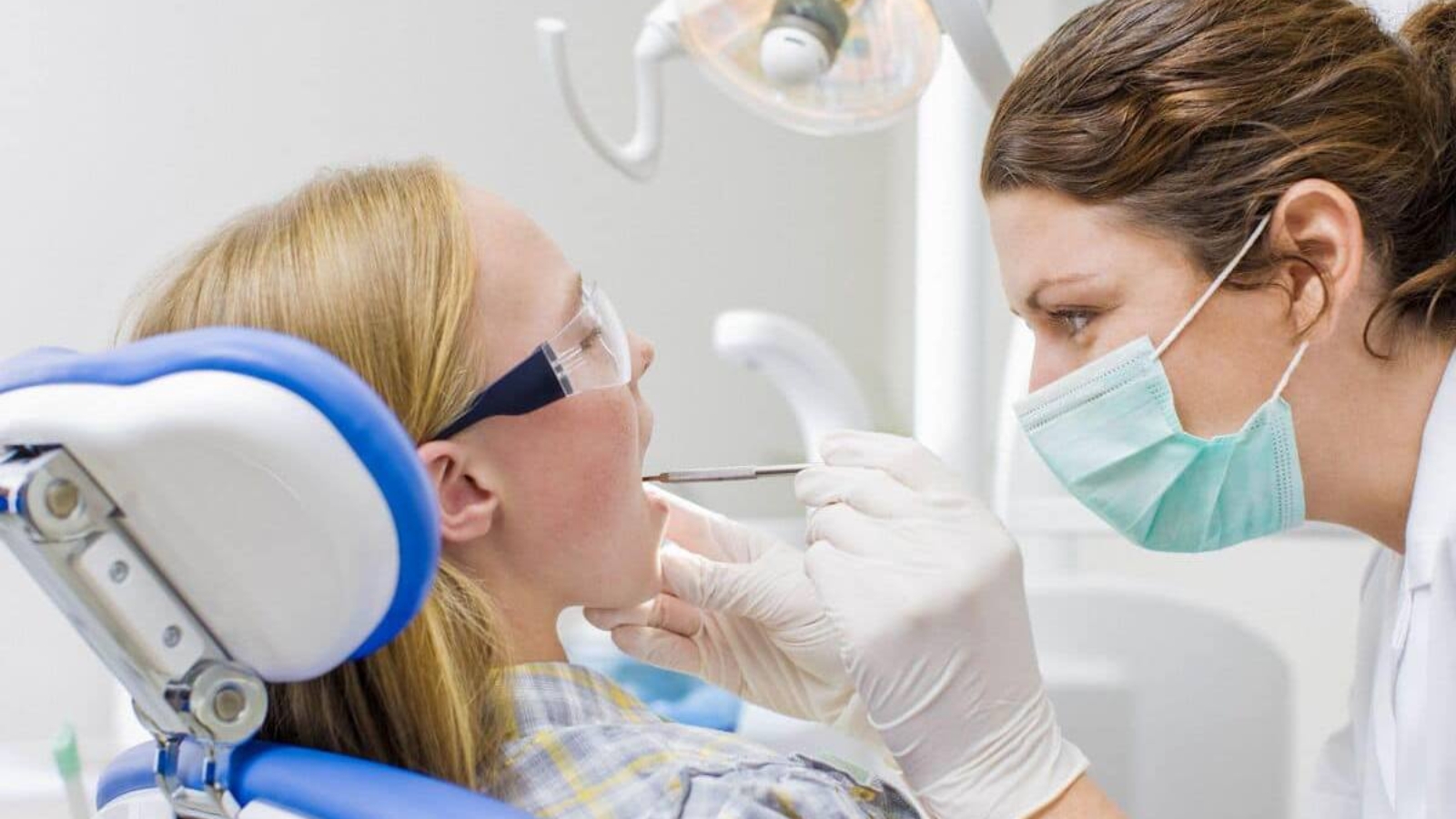
The initial consultation remains an essential source of clinical information, but it should never become the stage at which treatment decisions are made prematurely. During this appointment, the clinician records the patient’s chief complaints, reviews medical and dental history, evaluates the condition of the teeth, oral mucosa, periodontal tissues, existing restorations, and occlusion. Additional attention is given to oral hygiene habits, signs of bruxism, systemic health conditions, current medications, and previous dental experiences. Even the most comprehensive examination cannot always reveal the complete clinical picture. Cone beam computed tomography may identify hidden root defects, inadequate bone support, or the proximity of critical anatomical structures, while digital occlusal analysis may demonstrate functional overload that the patient has never recognized as an independent problem.
A multidisciplinary discussion allows the clinical team to separate a complex case into interconnected biological challenges and determine which factor has the greatest influence on the overall prognosis. At DentalClinic24, restorative dentists evaluate the possibility of preserving healthy tooth structure and achieving long term coronal sealing. Endodontists assess the condition of the root canal system. Oral surgeons analyze bone volume and expected healing capacity. Periodontists evaluate the stability of soft tissues, while prosthodontists design the future restorative position, morphology, and functional loading. This collaborative model does not divide treatment into isolated procedures. Instead, it creates a carefully coordinated treatment pathway in which every clinical stage prepares the conditions necessary for the next phase of rehabilitation.
Collaborative evaluation becomes particularly valuable when tooth preservation remains technically possible but its long term contribution to the final rehabilitation is uncertain. A clinician may successfully complete root canal retreatment, eliminate infection, and restore the coronal structure. However, when extensive tissue loss, vertical root fractures, unfavorable crown to root ratios, or compromised periodontal support are present, the functional lifespan of that tooth may remain limited. The clinical team evaluates not only whether a procedure can be performed successfully but also how that tooth will contribute to the patient’s overall rehabilitation. In certain situations, preserving a compromised tooth may complicate prosthetic planning, alter force distribution, or require a disproportionate amount of treatment without providing a meaningful improvement in long term prognosis.
When implant therapy is considered, collaborative planning begins with the future prosthetic restoration rather than the implant itself. At DentalClinic24, we evaluate available bone volume, soft tissue thickness, smile line, neighboring root position, opposing dentition, and expected occlusal loading before selecting the surgical approach. Placing an implant exclusively where sufficient bone exists may create an unfavorable implant axis relative to the final crown. This increases the likelihood of functional overload, complicates oral hygiene, and negatively affects gingival aesthetics. Comprehensive planning allows the team to determine whether bone augmentation, soft tissue management, staged loading protocols, or guided surgery should become part of the treatment before any surgical intervention begins.
Multidisciplinary planning is equally essential during complete or partial occlusal rehabilitation. Patients frequently seek treatment because of severe tooth wear, multiple fractures, reduced vertical dimension, or dissatisfaction with the appearance of their smile. Restoring dental anatomy without evaluating function may result in discomfort, restoration failure, or excessive stress on the temporomandibular joints. Before definitive restorations are fabricated, specialists analyze mandibular position, condylar movement, static and dynamic occlusal contacts, muscular function, and habitual loading patterns. Temporary restorations are then used to verify the proposed vertical dimension, dental morphology, speech, aesthetics, and patient adaptation before permanent prosthetic treatment begins.
Another important objective of interdisciplinary discussion is establishing the correct sequence of treatment. When active caries, periodontal inflammation, bone defects, and prosthetic rehabilitation are all present simultaneously, therapy cannot begin with the most visible aesthetic concern. Infectious processes must first be eliminated, periodontal stability restored, functional overload corrected, and biological conditions optimized before surgical or restorative treatment proceeds. At DentalClinic24, treatment sequencing is determined by biological principles rather than by the convenience of individual specialties. This systematic approach reduces the need for repeated intervention, allows clinicians to evaluate tissue response after each phase, and prevents definitive restorations from being placed on biologically unstable foundations.
Team discussions also ensure that every reasonable treatment alternative is thoroughly evaluated. In advanced dentistry, there is rarely only one acceptable solution. One treatment strategy may emphasize maximum preservation of natural teeth, another may recommend extraction of hopeless teeth followed by implant supported rehabilitation, while a third may require preliminary orthodontic correction. The clinical team compares treatment duration, biological cost, surgical complexity, maintenance requirements, long term durability, and functional predictability for every option. Patients therefore receive not simply a collection of procedures but a comprehensive explanation of why one strategy is considered the most appropriate and which clinical limitations remain regardless of technical excellence.
Considerable attention is also given to the patient’s ability to maintain treatment outcomes after active therapy has been completed. Complex rehabilitation requires regular professional maintenance, periodontal monitoring, occlusal evaluation, and timely management of risk factors. Poor oral hygiene, smoking, uncontrolled bruxism, or an inability to attend follow up appointments may significantly influence the long term prognosis of certain restorative approaches. These factors are carefully considered before treatment begins because the selected rehabilitation must correspond not only to anatomical conditions but also to the patient’s realistic ability to maintain oral health over many years.
A collaborative planning model does not unnecessarily prolong treatment. Instead, it significantly reduces the number of decisions that would otherwise require revision after clinical procedures have already begun. At Dental Clinic24, preliminary interdisciplinary discussion establishes unified diagnostic criteria, clearly defines professional responsibilities, identifies clinical checkpoints, and determines objective conditions for progressing to subsequent treatment stages. If inflammation persists after initial therapy, bone regeneration develops more slowly than expected, or temporary restorations reveal functional instability, the treatment plan can be adjusted before definitive restorations are fabricated. Such flexibility reflects clinical precision because treatment must always respond to objective biological findings rather than rigidly following an initial plan despite changing circumstances.
For patients, the greatest value of collaborative planning lies in the consistency of every clinical recommendation they receive. They are not confronted with conflicting opinions from different specialists or expected to decide which recommendation should take priority. Every clinician understands the common treatment objective, recognizes the limitations of adjacent clinical stages, and evaluates individual procedures within the context of the final rehabilitation. This coordinated approach becomes especially important during treatment extending over several months and involving disease control, surgical intervention, temporary restorations, soft tissue management, and definitive prosthetic reconstruction.
We believe that complex dental treatment should begin not with promises of a specific result but with a careful evaluation of whether that result is biologically achievable under the patient’s individual clinical conditions. Preliminary team discussion allows us to distinguish between what is technically possible and what is clinically justified, identify vulnerable aspects of the treatment plan, and preserve the option of choosing a more conservative solution whenever it offers superior long term stability. This philosophy requires greater analytical effort before treatment begins, yet it enables therapy to progress in a structured, predictable, biologically respectful, and scientifically grounded manner.
Previously, we wrote about The DentalClinic24 Specialist Team: The Importance of Clinical Experience, Diagnostic Thinking, and Precision in Modern Dentistry