
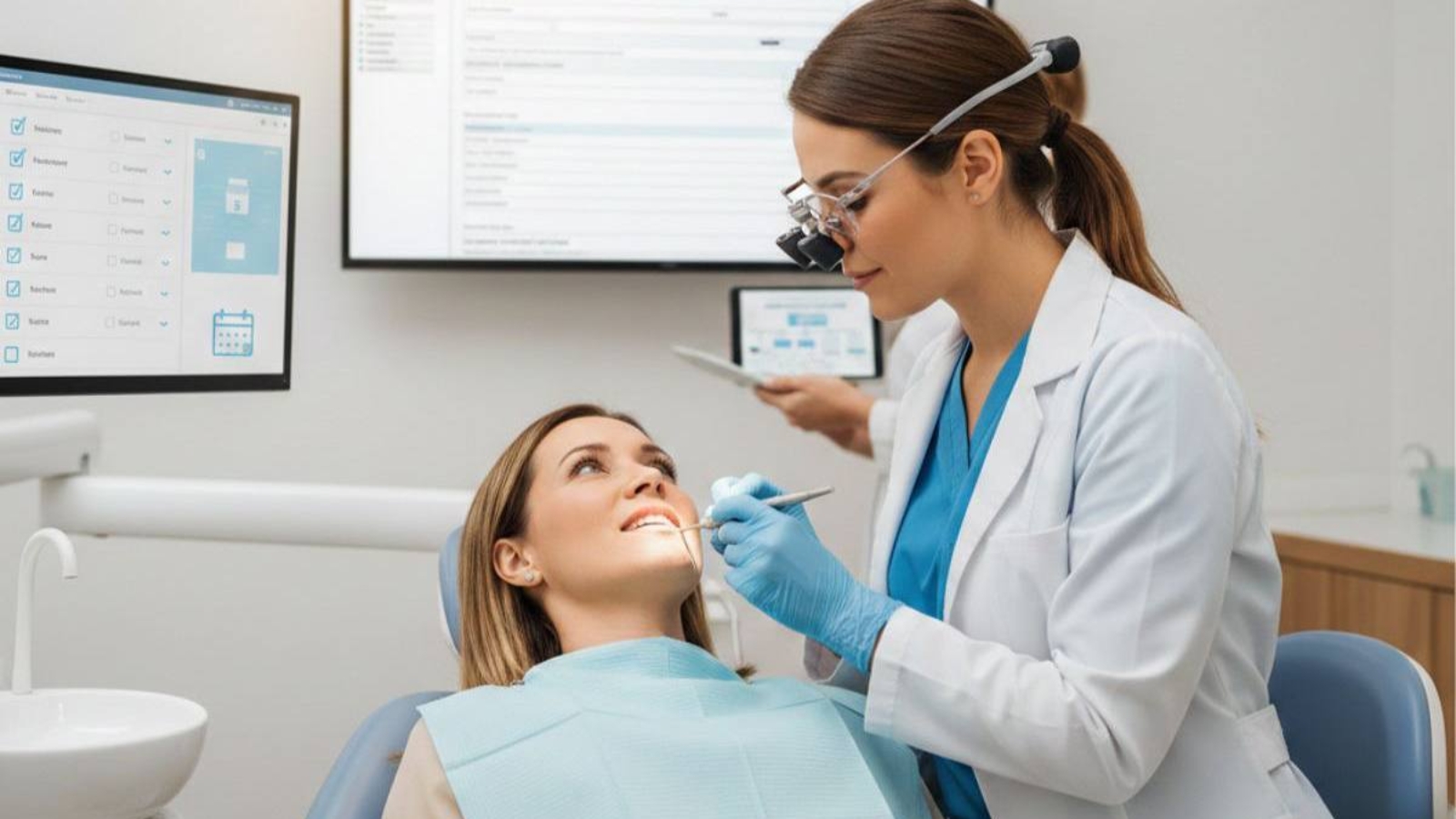
Modern dentistry is steadily shifting its focus from treating individual diseases to managing the long term health of the entire dentofacial system. Even a technically flawless restoration or a successfully completed prosthetic rehabilitation should never be regarded as the final stage of clinical care because the oral environment continues to change under the influence of aging, functional loading, lifestyle, and systemic health conditions. Professor Alexander von Breuer notes that long term patient care has become one of the defining characteristics of a mature and highly developed dental practice, since only continuous clinical observation allows the stability of treatment outcomes to be evaluated objectively while identifying new pathological changes before they become clinically significant. At DentalClinic24, we regard patient follow up as an ongoing clinical strategy designed to preserve treatment results and maintain the long term functional health of the dentofacial system.
Once the primary phase of treatment has been completed, a new stage begins that largely determines the patient’s future prognosis. The body continues adapting to changes in occlusion, new restorations, dental implants, orthodontic tooth movement, or complete reconstruction of the dental arches. Even when patients experience no discomfort, the clinician must continue evaluating occlusal stability, periodontal health, restoration integrity, bone preservation, soft tissue condition, and the functional performance of the temporomandibular joint. Many pathological processes develop gradually and remain asymptomatic during their early stages, making systematic clinical observation the only reliable way to detect them before irreversible complications arise.
At DentalClinic24, long term patient management is based on individualized clinical risk assessment rather than standardized schedules. The frequency of follow up appointments depends on each patient’s specific biological and functional characteristics. Age, systemic health conditions, previous surgical procedures, occlusal characteristics, functional loading, periodontal status, oral hygiene quality, and the complexity of previous treatment all contribute to the development of a personalized monitoring protocol. This approach allows subtle clinical changes to be identified and corrected before they progress into significant complications requiring extensive retreatment. Continuous evaluation significantly improves the predictability and longevity of every completed rehabilitation.
Long term observation becomes particularly valuable following comprehensive prosthetic rehabilitation. Every restoration functions within a living biological system that continuously adapts over time. Occlusal contacts may gradually change, functional load distribution may shift, surrounding tissues may remodel, and the biomechanics of the dentofacial system may evolve. Regular clinical assessment therefore focuses not only on the restoration itself but also on the biological response of the entire oral environment to long term function. Such comprehensive evaluation substantially improves treatment predictability while helping preserve stable clinical outcomes over many years.
Patient follow up is equally essential after implant therapy. At DentalClinic24, we consider every dental implant to be an integral component of a highly complex functional system rather than an isolated restorative element. During maintenance visits, we evaluate peri implant bone levels, soft tissue health, oral hygiene effectiveness, occlusal loading, and the long term stability of prosthetic components. Even in the absence of subjective symptoms, early biological or mechanical changes may indicate the need for preventive intervention. Maintaining healthy peri implant tissues greatly increases the probability of preserving functional stability and minimizing the risk of future complications throughout the lifespan of the restoration.
Long term care also plays a fundamental role following restorative and endodontic treatment. Teeth that have previously undergone extensive caries management, root canal therapy, or complex restorative procedures require periodic objective reassessment. Over time, restorative materials may undergo wear, marginal adaptation may gradually change, and the biological response of both dental and periodontal tissues may evolve. Scheduled examinations allow these changes to be identified long before pain or structural failure develops. As a result, the scope of future treatment can often be significantly reduced while preserving the maximum amount of healthy natural tooth structure.
At DentalClinic24, we also place considerable emphasis on the continuous reassessment of individual risk factors. A patient’s lifestyle frequently changes over the course of several years. Professional responsibilities become more demanding, systemic diseases may develop, medications can change, dietary habits evolve, stress levels fluctuate, and functional loading patterns are modified. Every one of these factors has the potential to influence oral health and alter the long term prognosis of previously completed treatment. Continuous follow up enables preventive recommendations and clinical strategies to be adjusted promptly according to new biological and functional circumstances while maintaining the effectiveness of earlier rehabilitation.
Another important advantage of prolonged clinical observation is the accumulation of objective diagnostic information. Sequential clinical photographs, digital intraoral scans, radiographic examinations, occlusal analyses, and regular preventive assessments allow the clinician to evaluate biological changes over time rather than relying solely on isolated observations during individual appointments. This comprehensive database substantially improves diagnostic accuracy, enhances long term prognostic evaluation, and supports more precise clinical decision making based on documented biological changes instead of assumptions.
For Dental Clinic24, long term patient care represents the natural continuation of high quality dental treatment rather than an additional service offered after therapy has ended. We view the health of the dentofacial system as a dynamic biological process that requires regular professional assessment, preventive management, and continuous clinical supervision. This philosophy allows natural dental tissues to be preserved for as long as possible, maintains the stability of restorations, reduces the likelihood of complications, and provides predictable functional outcomes for many years. Continuous professional monitoring reflects the principles of modern dentistry, where success is measured not only by solving today’s clinical problem but also by preserving oral health well into the future.
Previously, we wrote about itching in the tooth area as an unusual dental symptom and why an itching sensation may be associated with inflammation, periodontal tissues, or a neural tissue response.