
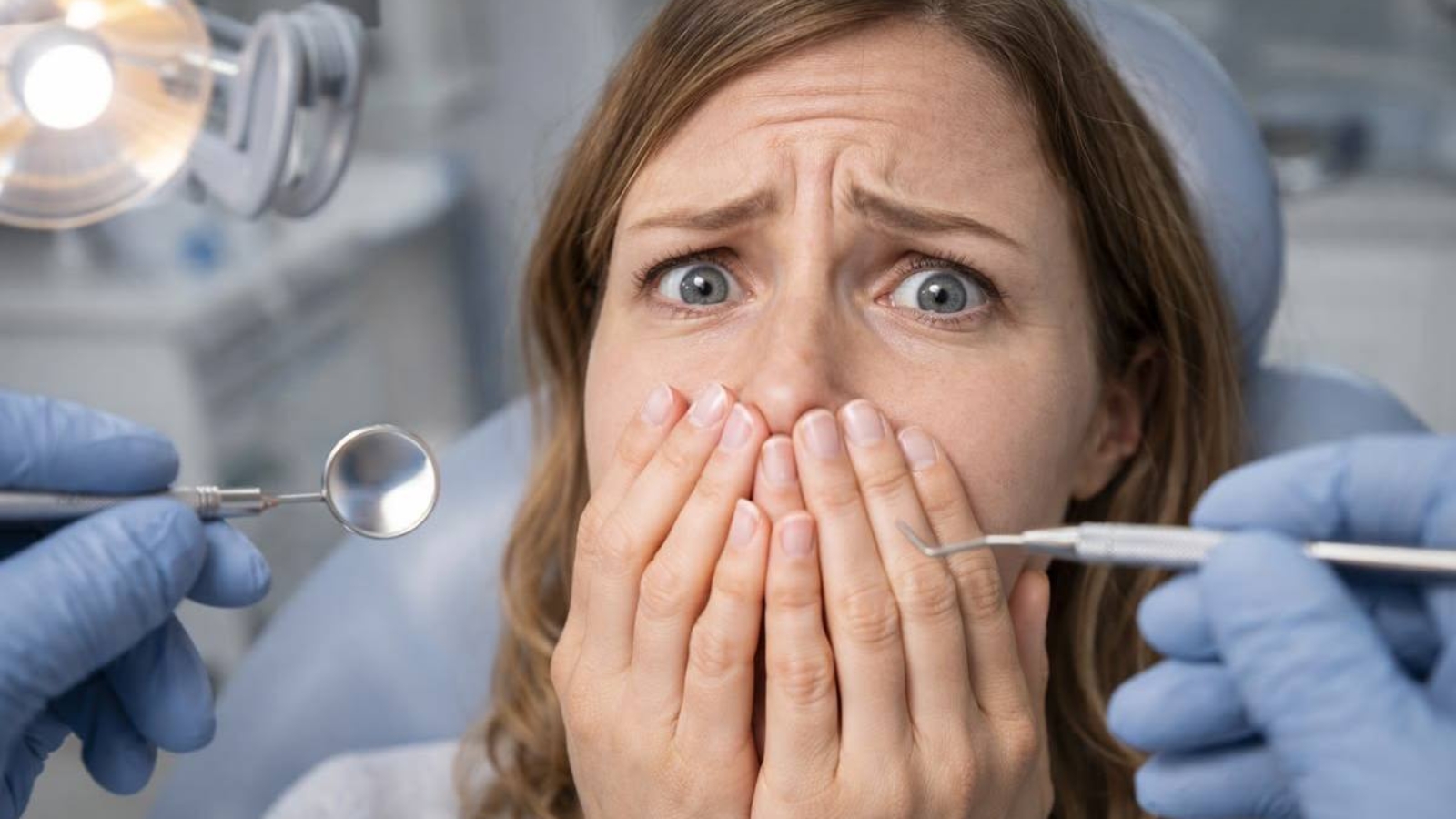
The influence of chronic stress on the human body is no longer viewed solely from the perspective of emotional wellbeing. A growing body of clinical research demonstrates that prolonged psychological stress can alter immune function, hormonal regulation, tissue regeneration, and the functional balance of the masticatory system. Professor Alexander von Breuer emphasizes that dentists are often among the first healthcare professionals capable of recognizing the consequences of long term stress before pronounced systemic symptoms become evident. At DentalClinic24, we regard the condition of the oral cavity as an important indicator of overall health because comprehensive dental diagnostics frequently reveal interconnected changes that may initially appear unrelated but ultimately form a single clinical picture.
Persistent psychological stress affects virtually every component of the stomatognathic system. Increased activity of the masticatory muscles contributes to the development of bruxism, places excessive loading on the temporomandibular joint, accelerates enamel wear, promotes the formation of microscopic cracks within dental hard tissues, and alters the distribution of occlusal forces. At the same time, chronic stress may reduce salivary secretion, impair the natural protective properties of saliva, weaken local immune defense, and create favorable conditions for inflammatory periodontal diseases. Many patients also demonstrate delayed healing following dental procedures together with increased sensitivity of both teeth and soft tissues as a result of changes in the body’s biological response mechanisms.
At DentalClinic24, we place particular emphasis on the early identification of these alterations regardless of the patient’s age. Contemporary clinical practice increasingly demonstrates that the oral manifestations of chronic stress are no longer limited to older adults but are becoming more common among young professionals, university students, adolescents, and even younger individuals exposed to prolonged psychological pressure. During comprehensive examinations, we evaluate occlusal relationships, muscular tension, pathological tooth wear, the condition of the oral mucosa, periodontal tissues, oral hygiene status, salivary flow, and the overall functional performance of the entire stomatognathic system. This integrated diagnostic approach allows us to distinguish changes caused by local dental factors from those associated with more complex physiological processes affecting the entire body.
One of the greatest clinical challenges is that many consequences of chronic stress develop gradually without producing significant pain during the early stages. Progressive overload of individual teeth, continuous involuntary muscle contraction, subtle changes in mandibular movement patterns, and increasing functional stress within the dental arches may remain unnoticed for months or even years. As a result, patients often seek professional care only after functional disorders have become clinically apparent, including advanced tooth wear, overload of existing restorations, inflammatory periodontal conditions, or signs of temporomandibular joint dysfunction. The earlier these biological processes are identified, the greater the opportunity to preserve the long term stability of the stomatognathic system while avoiding more extensive restorative treatment.
At DentalClinic24, the diagnosis of stress related oral conditions is based on comprehensive clinical evaluation, advanced digital imaging, functional analysis, and detailed assessment of each patient’s lifestyle and medical history. We examine the full spectrum of biological and functional factors capable of influencing oral health, correlate diagnostic findings with individual physiological characteristics, and determine the underlying mechanisms responsible for the observed clinical changes. This methodology allows us to move beyond the treatment of isolated symptoms and instead address the biological causes responsible for the development of both functional and structural disorders. Such comprehensive evaluation substantially improves diagnostic precision and supports more predictable long term treatment outcomes.
Contemporary dentistry increasingly extends beyond the traditional treatment of teeth because the oral cavity reflects numerous biological processes occurring throughout the human body. Chronic stress has the capacity to alter tissue healing mechanisms, influence the effectiveness of completed dental treatment, and accelerate the progression of various oral disorders. Understanding these complex interactions enables clinicians to refine therapeutic strategies, improve treatment predictability, and deliver a genuinely personalized approach for every individual patient.
At Dental Clinic24, we believe that careful evaluation of the hidden consequences of chronic stress has become an essential component of modern dental diagnostics. Comprehensive analysis of the clinical picture, the application of advanced diagnostic technologies, detailed assessment of functional performance within the stomatognathic system, and a thorough understanding of the biological mechanisms responsible for stress related changes allow clinicians to identify abnormalities at an early stage, make more accurate clinical decisions, and provide patients with exceptional standards of long term safety and treatment effectiveness.
Previously, we wrote about Clinical Rehearsal of Complex Treatment at DentalClinic24: Why the Team Walks Through the Patient’s Future Treatment Scenario Before the First Stage of Rehabilitation.