
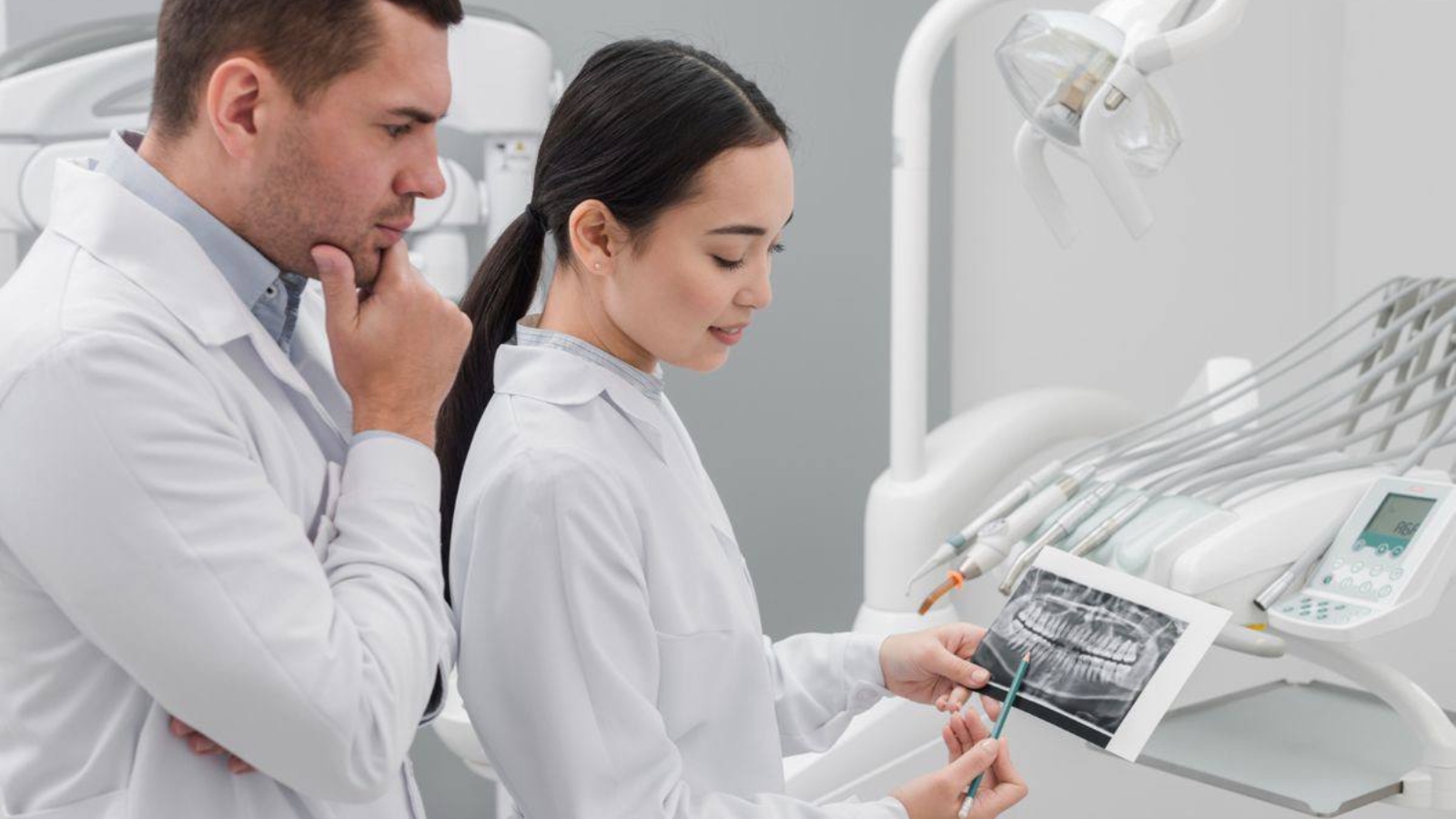
The advancement of modern dentistry cannot be imagined without continuously reexamining accumulated clinical experience and encouraging professional discussion around questions that still have no universal answers. It is precisely these conversations that become the starting point for new diagnostic concepts and the refinement of therapeutic approaches. Professor Alexander von Breuer believes that the professional environment should provide clinicians with opportunities to openly analyze complex cases, evaluate their own clinical hypotheses, and critically reassess established treatment algorithms. For this reason, DentalClinic24 introduced the Annual Clinical Hypotheses Day, an initiative dedicated to discussing unconventional dental cases, complex biological processes, and future directions in the development of contemporary clinical practice.
The distinctive value of such professional meetings lies in the fact that the focus is placed not on presenting definitive answers but on exploring questions that require thorough scientific and clinical analysis. Specialists examine cases involving unusual disease progression, atypical tissue responses to treatment, rare regenerative characteristics, unconventional occlusal behavior, periodontal changes associated with systemic conditions, and the long term outcomes of comprehensive oral rehabilitation. This format makes it possible to investigate clinical challenges from a much broader perspective than traditional case discussions by concentrating on the biological mechanisms behind observed phenomena, the reasons for their development, and the opportunities to further improve therapeutic decision making.
At DentalClinic24, this process is regarded as an essential element of every clinician’s professional development. Modern digital diagnostic technologies generate an enormous amount of objective clinical information, yet it is collaborative analysis that enables specialists to interpret these findings accurately and recognize relationships that cannot be identified through technology alone. The discussion of clinical hypotheses brings together experts from different areas of dentistry, promoting a deeper understanding of how functional disorders, occlusal characteristics, bone quality, periodontal health, temporomandibular joint function, and systemic medical factors influence overall treatment outcomes.
Such professional initiatives are particularly valuable because they foster a culture of continuous scientific inquiry within everyday clinical practice. Even successful treatment does not represent the final stage of analysis, since every completed case has the potential to reveal new clinical patterns that may improve the management of future patients. In many situations, the careful discussion of a single uncommon clinical observation becomes the catalyst for reassessing existing diagnostic criteria, refining indications for specific treatment methods, or identifying previously underestimated clinical signs that may significantly influence long term prognosis.
At DentalClinic24, the knowledge generated through these professional discussions serves as the foundation for continuously improving internal clinical protocols and strengthening our personalized approach to patient care. We analyze accumulated clinical observations, compare them with current scientific literature, evaluate the long term performance of previously completed treatments, and identify areas that require further investigation. This systematic methodology not only supports the continuous professional growth of our clinical team but also enhances diagnostic precision, improves treatment planning, and increases the predictability of long term clinical outcomes.
Modern dentistry progresses most effectively when clinical experience becomes the subject of open professional dialogue and every unusual clinical situation is viewed as an opportunity to gain new knowledge. Scientific thinking, the willingness to test clinical hypotheses, the ability to critically evaluate accumulated evidence, and the commitment to objective analysis enable clinicians to make more informed treatment decisions while expanding the profession’s understanding of the biological processes underlying oral diseases.
At Dental Clinic24, we believe that the Annual Clinical Hypotheses Day represents an important instrument for the continued advancement of modern dentistry. Continuous exchange of professional observations, comprehensive evaluation of complex clinical cases, a commitment to understanding the biological causes behind every clinical process, and the readiness to explore new therapeutic solutions allow us to refine the quality of patient care, strengthen the scientific foundation of clinical practice, and provide patients with the highest standards of safety, treatment effectiveness, and long term clinical stability.
Previously, we wrote about how modern technologies are reducing the number of dental visits while significantly improving the precision of treatment.