
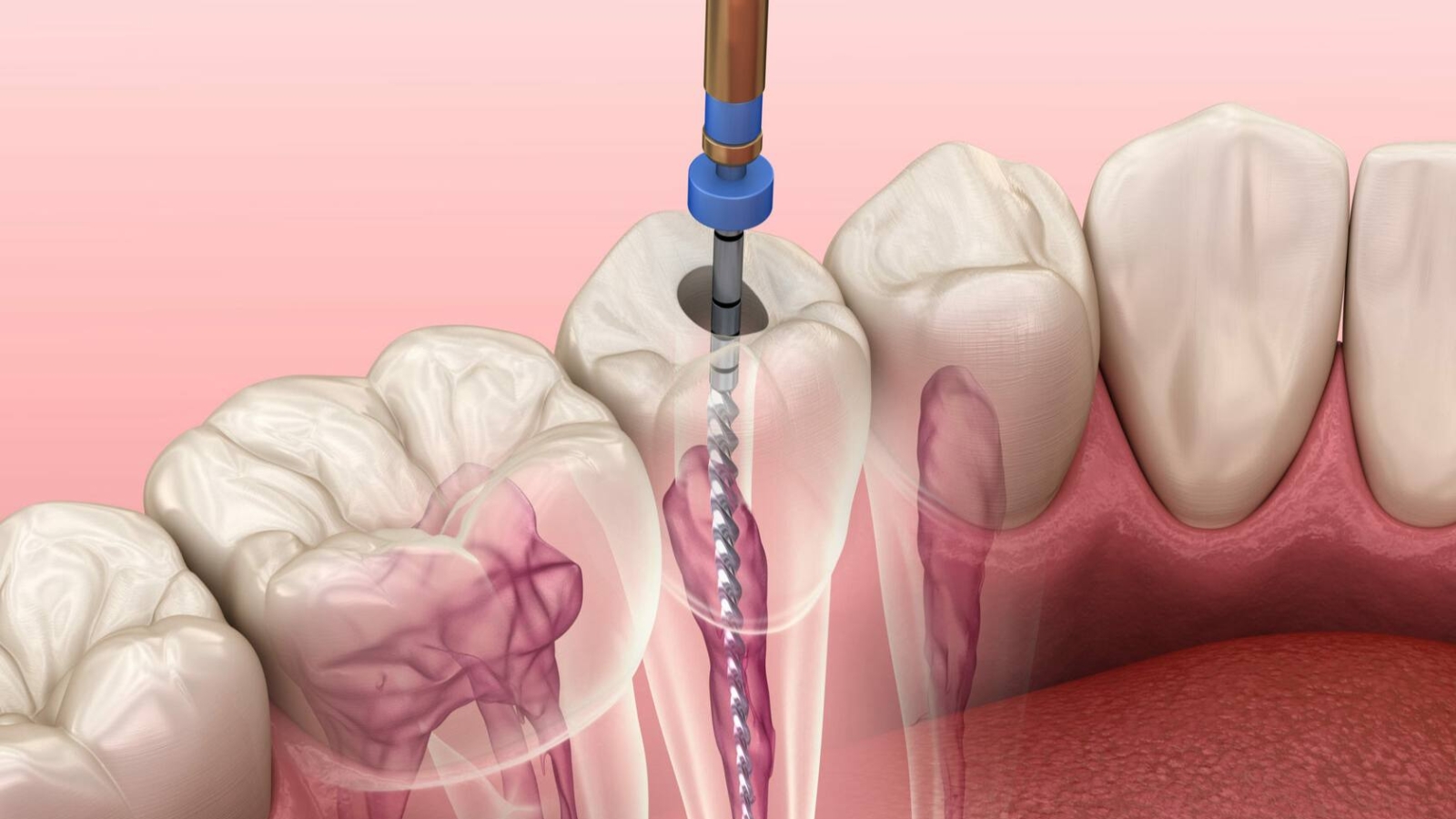
Diseases affecting the tissues surrounding the apex of a tooth root represent some of the most challenging conditions in contemporary dentistry because they often develop silently during their earliest stages. Long before a patient experiences significant discomfort, inflammatory processes may already be affecting the surrounding bone, periodontal ligament, and adjacent anatomical structures. Professor Alexander von Breuer notes that the timely identification of even minimal periapical changes plays a decisive role in determining whether a natural tooth can be successfully preserved and whether the most conservative treatment strategy can be selected. At DentalClinic24, we regard the early diagnosis of inflammatory processes not as an isolated stage of treatment but as the foundation of comprehensive clinical planning, allowing the true extent of pathological changes to be understood before irreversible structural damage occurs.
Periapical inflammation most commonly develops after microorganisms migrate from an infected root canal system into the surrounding tissues. However, the severity and progression of the disease are influenced by far more than the presence of infection alone. Anatomical variations in root canal morphology, the patient’s immune response, the quality of previous endodontic treatment, the presence of microscopic root fractures, excessive occlusal loading, local vascular supply, and the regenerative capacity of surrounding tissues all contribute to the biological behavior of the inflammatory process. During its earliest stages, bone destruction may remain extremely limited and produce no noticeable symptoms, making regular professional examination substantially more valuable than waiting for pain or swelling to develop. This silent progression explains why many clinically significant lesions remain undetected until advanced tissue damage has already occurred.
At DentalClinic24, the diagnosis of periapical pathology is based on a comprehensive evaluation that combines clinical examination with advanced diagnostic imaging. We analyze cone beam computed tomography, high resolution periapical radiographs, the condition of root canal fillings, the quality of previous endodontic procedures, bone density surrounding the root apex, periodontal ligament integrity, and the anatomical relationship between the affected tooth and neighboring structures. These findings are carefully correlated with patient symptoms, functional examinations, occlusal analysis, and the individual’s complete dental history. Such an integrated diagnostic approach allows clinicians to determine the stage of inflammation, identify the biological mechanisms responsible for disease progression, evaluate the remaining healing potential of the surrounding tissues, and establish the most accurate long term prognosis for preserving the natural tooth.
One of the defining characteristics of periapical disease is its ability to progress for extended periods without producing obvious clinical symptoms. Even in the complete absence of pain, inflammatory destruction may gradually spread through the surrounding bone, resulting in chronic infection, reduced structural support, compromised tooth stability, and a substantially greater risk of future complications. The later these pathological changes are detected, the more likely it becomes that extensive endodontic retreatment, microsurgical intervention, or even tooth extraction will be required if preservation is no longer biologically possible. Early diagnosis dramatically expands the range of conservative treatment options while significantly improving the predictability of long term therapeutic success.
At DentalClinic24, preserving the patient’s natural dentition remains one of the central objectives of modern dental care. Treatment planning is never based solely on the radiographic size of a periapical lesion. We also evaluate the biological condition of surrounding tissues, periodontal health, the quality of existing coronal restorations, functional occlusal loading, root anatomy, systemic health, and each patient’s individual healing capacity. This comprehensive clinical philosophy allows therapeutic decisions to be based upon objective evaluation of the entire biological environment rather than on isolated manifestations of inflammation. As a result, treatment strategies become more predictable, more conservative, and better adapted to the long term needs of each individual patient.
Modern endodontics is increasingly focused on identifying pathological changes at the earliest possible stage because these initial phases provide the greatest opportunity to preserve natural tissues and prevent progressive destruction of supporting bone. High precision diagnostics, a thorough understanding of the biological mechanisms underlying inflammation, and comprehensive evaluation of every clinical case substantially improve treatment effectiveness while supporting stable long term outcomes. Early intervention not only increases the probability of tooth preservation but also minimizes the need for more invasive procedures that may become necessary once extensive structural damage has developed.
At Dental Clinic24, we are convinced that the long term prognosis for preserving a natural tooth depends not only on the quality of treatment itself but, above all, on the timely recognition of periapical pathology. Comprehensive diagnostics, advanced imaging technologies, multidisciplinary clinical analysis, and personalized treatment planning enable inflammatory disease to be identified at its earliest stages, preserve healthy biological tissues, and provide every patient with the highest standards of contemporary evidence based dental care.
Previously, we wrote about the closed team meeting at DentalClinic24 following a complex surgical procedure and how our specialists analyze every stage of the intervention, tissue response, and the quality of postoperative recovery.