
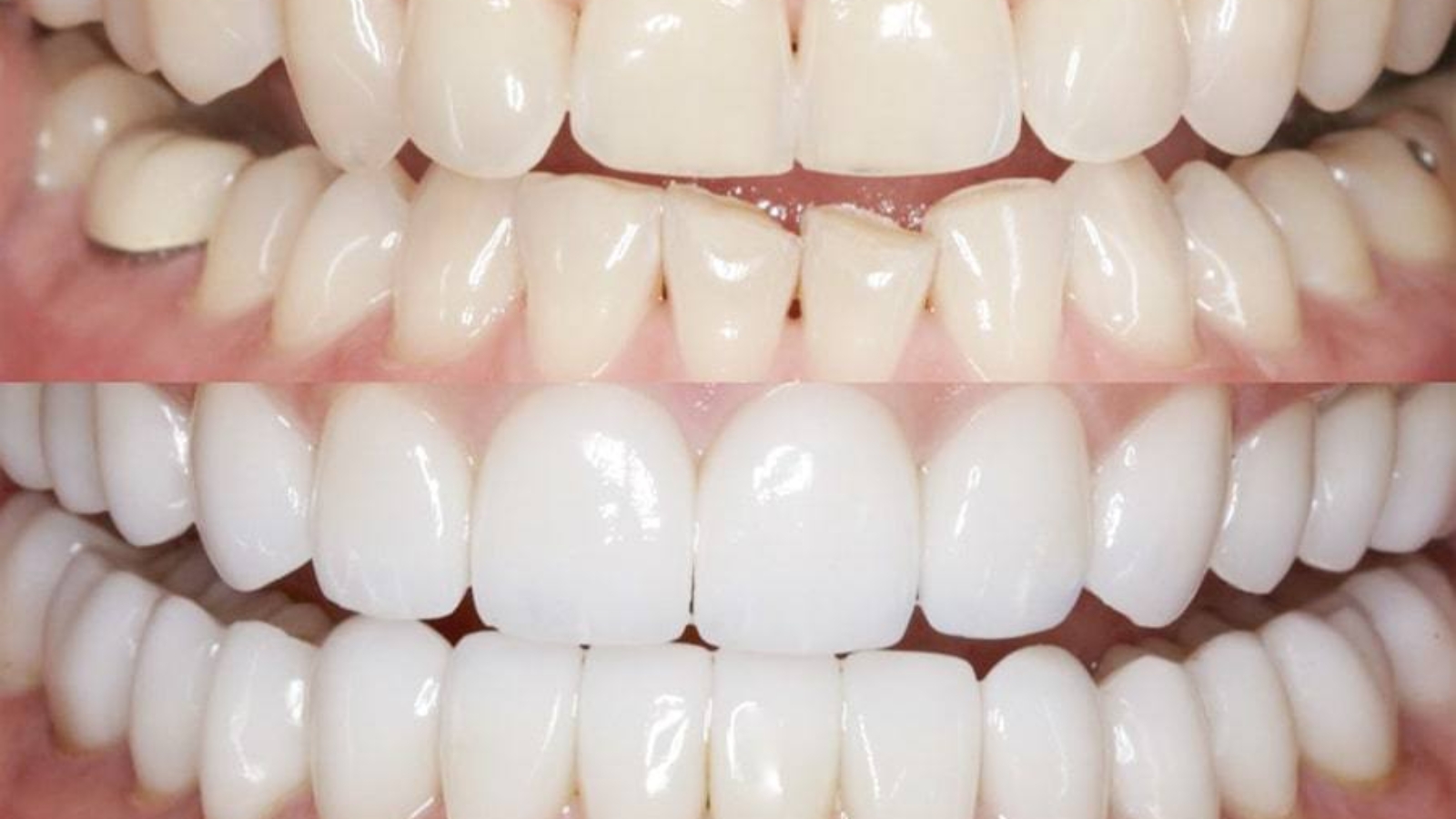
Modern restorative dentistry has evolved far beyond simply replacing lost tooth structure. Today, clinicians face a far more sophisticated objective that involves restoring natural anatomy, physiological function, and visual harmony while preserving the biological integrity of the dentition. Professor Alexander von Breuer emphasizes that the long term success of a restoration depends not only on the quality of the restorative material but also on how accurately the natural biomechanics of the tooth are recreated. At DentalClinic24, restoring the shape and color of a tooth is regarded as a comprehensive clinical process in which aesthetics are inseparably connected with functional stability, balanced occlusal loading, and the preservation of as much healthy natural tissue as possible.
Every tooth possesses unique anatomical characteristics, including an individual surface morphology, enamel translucency, optical behavior, and a specific pattern of functional load distribution. Even slight deviations in the reconstruction of cusps, contact points, or incisal edges may alter occlusal relationships, create excessive stress on individual teeth, and gradually lead to premature restoration failure or damage to adjacent structures. For this reason, contemporary restorative treatment requires far more than artistic color matching. It demands a profound understanding of dental anatomy, material science, occlusal biomechanics, adhesive principles, and the biological adaptation of hard tissues to continuous functional loading. Only when these elements are carefully integrated can a restoration function as a natural extension of the original tooth rather than as an artificial replacement.
Preserving healthy dental tissues remains one of the most important priorities during restorative treatment because extensive clinical experience demonstrates that the greater the amount of natural structure retained, the higher the biological stability of the tooth over time. This philosophy forms an essential part of the treatment approach developed at DentalClinic24, where every clinical decision is based on a detailed evaluation of enamel quality, dentin integrity, pulpal health, the extent of structural damage, and anticipated functional demands. Before selecting the appropriate restorative technique, clinicians carefully assess occlusal relationships, masticatory forces, patient age, functional habits, periodontal condition, and the biological quality of surrounding tissues. Such a comprehensive evaluation allows every restoration to be designed in accordance with the natural mechanical behavior of the individual tooth while supporting predictable long term clinical performance.
Equally important is the careful selection of modern composite or ceramic restorative materials. Contemporary materials differ not only in shade but also in translucency, flexural strength, elastic modulus, wear resistance, color stability, and their ability to tolerate years of repetitive functional loading. Successful restorative treatment requires these materials to interact harmoniously with the remaining dental tissues as a single biomechanical unit rather than functioning as separate artificial components. Only under these conditions can chewing forces be distributed physiologically, structural stress be minimized, and long term functional reliability be maintained while preserving the natural appearance of the restored tooth throughout years of clinical use.
When planning restorative procedures, the specialists at DentalClinic24 evaluate not only the existing defect but also the biological and functional changes that may occur over the coming years. Assessment includes temporomandibular joint function, occlusal dynamics, signs of bruxism, masticatory muscle activity, mineralization of dental hard tissues, age related biological adaptation, and the patient’s overall functional prognosis. This forward looking clinical strategy enables restorations to maintain both structural integrity and aesthetic harmony well beyond the completion of treatment, reducing the likelihood of future complications while supporting the long term stability of the entire stomatognathic system.
Modern aesthetic dentistry increasingly combines biology, engineering precision, digital technologies, and scientific evidence into a unified treatment philosophy. High resolution diagnostics, magnification, clinical photography, digital smile design, and advanced understanding of natural tissue biomechanics enable clinicians to reproduce the optical and functional characteristics of natural teeth with remarkable accuracy. Through this comprehensive approach, restorations become fully integrated components of the dentition rather than simple cosmetic corrections, preserving both appearance and physiological performance over the long term.
At Dental Clinic24, we believe that successful restoration of tooth shape and color is only possible through a comprehensive understanding of biological processes, functional anatomy, material behavior, and the unique characteristics of every patient. By combining advanced technologies, evidence based treatment planning, meticulous clinical execution, and deep respect for natural tissues, we create restorations that remain aesthetically harmonious, biomechanically stable, and clinically reliable for many years while supporting the long term health and function of the entire oral system.
Previously, we wrote about the Evening of Dental Strategy at DentalClinic24 and why our team discusses not individual procedures but the long term future of every patient’s smile.