
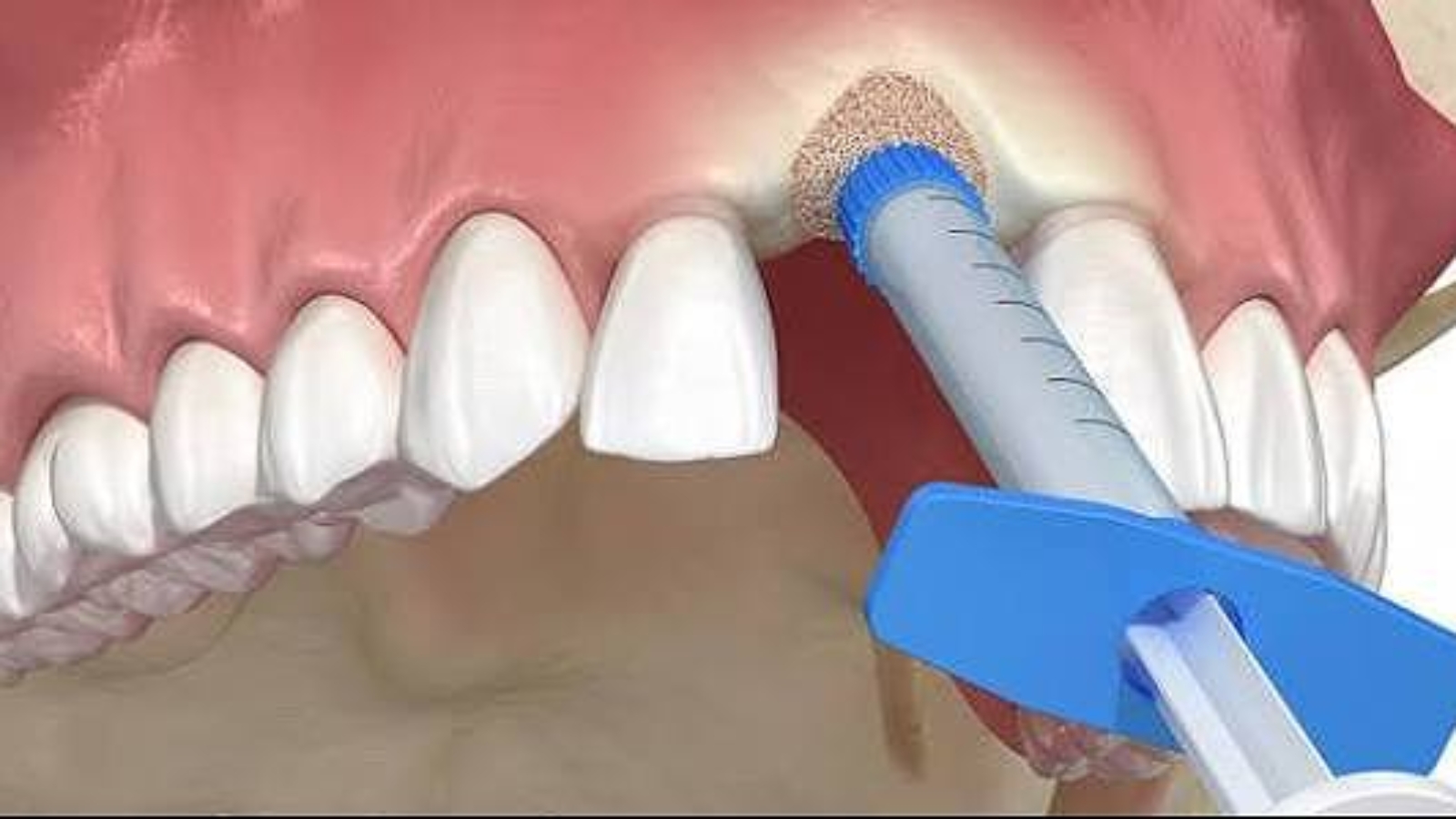
Successful dental implant treatment begins long before the implant is placed because the long term stability of the future restoration depends largely on the quality and volume of the patient’s own bone tissue. Following tooth extraction, natural alveolar bone resorption may gradually alter not only the height and width of the alveolar ridge but also the overall architecture of the implant site. Professor Alexander von Breuer analyzes that contemporary bone reconstruction should never rely on standardized surgical protocols alone but instead be guided by a profound understanding of biological remodeling processes and the unique anatomical characteristics of every individual clinical case. At DentalClinic24, we consider comprehensive evaluation of bone volume to be one of the most important stages of implant treatment planning because it directly influences the long term prognosis, functional stability, and biological success of implant supported rehabilitation.
Bone deficiency may develop for many different reasons, including prolonged tooth loss, chronic inflammatory conditions, traumatic injuries, advanced periodontal disease, age related bone remodeling, and individual variations in bone metabolism. Deficiencies may affect the vertical dimension, the horizontal width of the alveolar ridge, or present as complex three dimensional defects involving several anatomical components simultaneously. From a clinical perspective, evaluating the amount of missing bone alone is not sufficient. Equally important are bone density, vascular supply, cortical thickness, trabecular architecture, the relationship to adjacent anatomical structures such as the maxillary sinus or the inferior alveolar nerve, and the anticipated functional loading that the implant will ultimately experience following prosthetic rehabilitation. Every one of these biological parameters contributes to the predictability of osseointegration and the long term stability of treatment.
The comprehensive diagnostic protocol used by the specialists at DentalClinic24 extends well beyond conventional measurements of bone volume. We analyze cone beam computed tomography, perform digital three dimensional treatment planning, evaluate occlusal relationships, study the distribution of functional forces, assess soft tissue quality, measure the width of keratinized gingiva, determine mucosal biotype, and carefully estimate each patient’s regenerative capacity. These findings are interpreted collectively rather than independently, allowing clinicians to select the most appropriate bone reconstruction strategy for each specific situation. Such comprehensive planning establishes a biologically stable foundation capable of supporting predictable implant integration while preserving the structural harmony of the surrounding oral tissues.
Selecting the optimal augmentation technique always requires an individualized clinical decision because similar bone defects do not necessarily require identical surgical solutions. The location of the defect, the degree of bone atrophy, the patient’s age, systemic health, metabolic activity, tissue quality, healing potential, and the anticipated esthetic outcome all influence the final treatment plan. Contemporary regenerative procedures may involve different categories of bone grafting materials, barrier membranes, guided bone regeneration protocols, and advanced biological techniques designed to restore lost bone volume while preserving long term functional reliability. Careful selection of the appropriate regenerative approach significantly increases the probability of stable implant placement and minimizes biological compromise during future treatment stages.
When developing an implant treatment plan, the clinicians at DentalClinic24 focus not only on increasing bone volume but also on creating the most favorable biological environment for long term tissue remodeling after surgery. The capacity of the tissues to maintain adequate vascularization, the expected rate of new bone formation, the patient’s individual healing characteristics, and the functional loading that the implant will experience following definitive prosthetic restoration are all carefully evaluated before treatment begins. This biologically oriented philosophy substantially improves the likelihood of successful osseointegration while supporting durable clinical stability and preserving healthy peri implant tissues throughout many years of functional use.
Modern implant dentistry is steadily moving beyond purely quantitative assessment of bone toward a far more sophisticated understanding of bone quality, biological behavior, and regenerative potential. The more accurately clinicians evaluate the biological environment before treatment, the greater the predictability of every subsequent clinical stage, the lower the risk of complications, and the more stable the final therapeutic outcome becomes. Thorough planning minimizes surgical risks, preserves surrounding anatomical structures, and promotes harmonious integration of the implant within the entire stomatognathic system while ensuring optimal functional and esthetic rehabilitation.
At Dental Clinic24, we believe that successful bone reconstruction is not an isolated surgical procedure but an integral component of a comprehensive strategy aimed at restoring oral function, structural integrity, and natural esthetics. Personalized diagnostics, detailed anatomical evaluation, advanced digital planning technologies, and scientifically based selection of regenerative techniques enable us to create the optimal biological conditions for implant placement while achieving long term treatment stability, preserving natural biomechanics, and delivering predictable results that remain reliable for many years.
Previously, we wrote about Professor Alexander von Breuer’s Clinical Council at DentalClinic24 and how confidential reviews of complex clinical cases contribute to establishing new standards of patient care.