
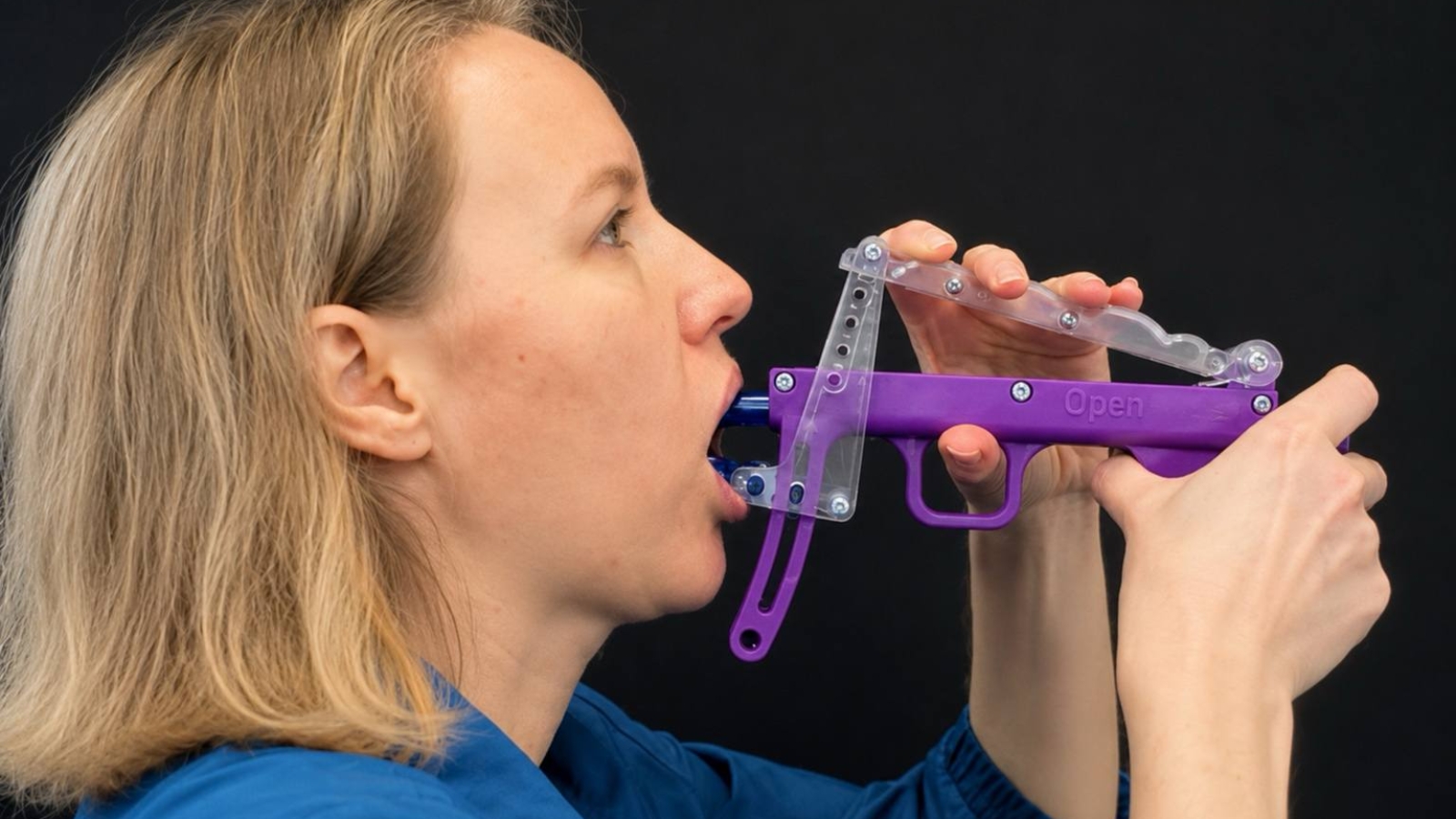
Disruption of the lower jaw position rarely results in discomfort confined solely to the temporomandibular joint. Over time, these functional changes may influence the entire dentofacial system by altering the distribution of masticatory forces, causing chronic muscle overloading, restricting mandibular mobility, and gradually compromising occlusal stability. Professor Alexander von Breuer emphasizes that successful treatment of these functional disorders is impossible without accurately identifying their underlying causes and objectively evaluating the interaction of every component of the masticatory system. At DentalClinic24, we regard mandibular repositioning appliances as an essential element of comprehensive functional therapy, designed to restore the physiological position of the temporomandibular joint, reduce pathological loading, and create favorable conditions for the safe functional adaptation of the entire dentofacial complex.
The temporomandibular joint is one of the most sophisticated anatomical structures in the human body because its function is directly connected with tooth position, masticatory muscle activity, ligament integrity, and central neuromuscular regulation. Even minor alterations in the position of the mandibular condyle may disrupt the coordinated function of the entire stomatognathic system. During the early stages, these disorders may present as intermittent discomfort, clicking sounds during mouth opening, muscle fatigue, or a sensation of tension after chewing. As functional disturbances progress, patients frequently develop restricted mandibular movement, persistent pain, excessive loading of specific teeth, accelerated enamel wear, and progressive instability of occlusal contacts, all of which may negatively affect long term oral health.
Accurate diagnosis of these conditions requires a comprehensive clinical approach because the true source of functional imbalance cannot be determined through symptoms alone. The evaluation must include assessment of condylar position, mandibular movement patterns, articular disc function, occlusal contact distribution, masticatory muscle performance, and the biomechanical interaction of the entire dentofacial system. Advanced imaging, digital occlusal analysis, functional examinations, and detailed clinical assessment provide the information necessary for precise diagnosis. At DentalClinic24, we integrate every stage of this diagnostic process into a unified clinical evaluation, enabling us to determine the optimal mandibular position and establish the most scientifically justified treatment strategy for each individual patient.
Mandibular repositioning appliances are individually designed according to each patient’s anatomical characteristics and are intended to restore the physiological relationship of the temporomandibular joint gradually without placing excessive stress on surrounding tissues. Throughout treatment, muscular function changes progressively, intraarticular compression decreases, masticatory forces become more evenly distributed, and pathological tension within the ligamentous structures is significantly reduced. The patient’s neuromuscular system gradually adapts to the new functional position, creating stable biological conditions for subsequent orthodontic, prosthodontic, or restorative treatment whenever clinically indicated. This gradual adaptation is essential for achieving predictable long term functional stability.
This therapeutic approach becomes especially valuable for patients experiencing chronic overload of the masticatory system, the consequences of previous trauma, severe malocclusion, bruxism, or long standing temporomandibular joint dysfunction. At DentalClinic24, every clinical case is evaluated comprehensively, taking into account not only the condition of the joint itself but also the influence of functional disorders on the entire dentofacial system, body posture, muscular symmetry, and long term occlusal stability. This multidisciplinary treatment philosophy makes it possible to determine the optimal sequence of therapy with exceptional accuracy while avoiding interventions that merely address symptoms without correcting the primary functional disorder responsible for their development.
An equally important stage of treatment involves continuous monitoring of functional changes throughout therapy. Regular clinical evaluations make it possible to assess the adaptation of joint structures, analyze improvements in masticatory function, measure muscle relaxation, and monitor the restoration of physiological mandibular movement. Whenever necessary, the appliance is adjusted according to the patient’s individual biological response, ensuring gradual and safe achievement of the planned therapeutic objectives while preventing unnecessary stress on the temporomandibular joint complex. This ongoing clinical supervision substantially increases treatment predictability and long term functional success.
At Dental Clinic24, we consider mandibular repositioning appliances to be an advanced component of contemporary functional dentistry founded on a comprehensive understanding of biomechanics, anatomy, and the physiology of the dentofacial system. Comprehensive diagnostics, individualized treatment planning, and continuous clinical monitoring allow us to restore the correct position of the temporomandibular joint, reduce excessive loading throughout the masticatory system, and establish a stable biological foundation for long term oral health, balanced occlusion, and optimal functional performance.
Previously, we wrote about Rubber Dam in Modern Dentistry: How Isolation of the Working Field Improves Treatment Precision, Reduces Contamination Risk, and Enhances the Long Term Prognosis of Restorations