
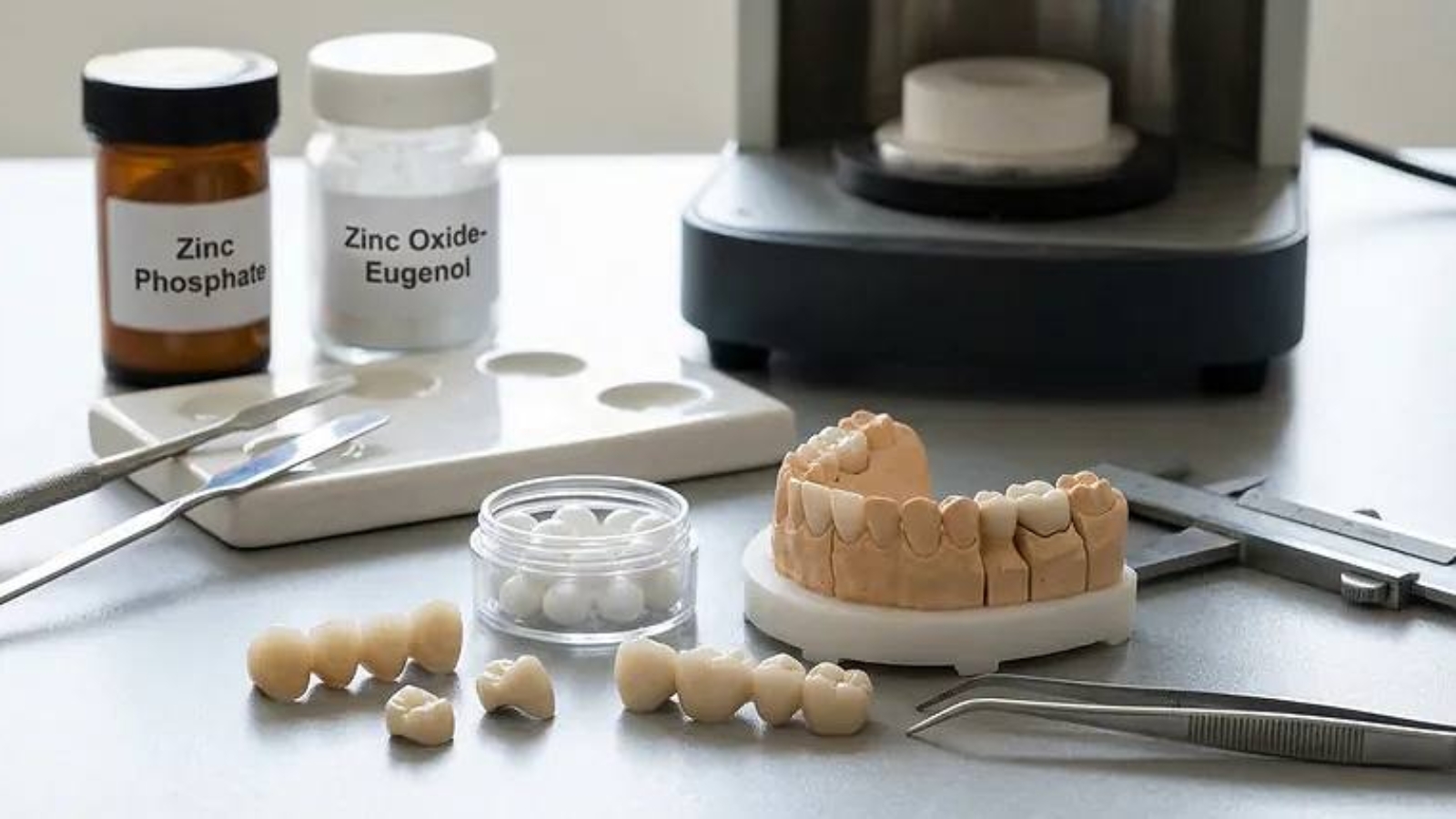
Modern aesthetic dentistry is based not only on accurately restoring the shape of a tooth but also on recreating the biological characteristics of natural dental tissues as closely as possible. Professor Alexander von Breuer emphasizes that the quality of a prosthetic restoration depends not only on the expertise of the clinician and the dental technician but also on selecting a material capable of combining strength, biocompatibility, color stability, and natural optical properties. At DentalClinic24, we regard high quality dental ceramics as one of the most advanced materials in contemporary restorative dentistry, enabling us to restore function, preserve the health of surrounding tissues, and achieve an appearance that closely resembles the natural beauty of healthy teeth.
A natural tooth is a complex multilayered biological structure in which enamel and dentin differ in translucency, light reflection, color depth, and mechanical properties. This unique combination gives every tooth its characteristic appearance, which cannot be reproduced by materials with a uniform internal structure. Modern dental ceramics are specifically engineered to imitate these biological characteristics, allowing restorations to reproduce natural light transmission, subtle color gradients, and the delicate surface microtexture found in healthy enamel. Beyond their exceptional aesthetic qualities, ceramic materials demonstrate excellent chemical stability, resistance to discoloration, and the ability to preserve their original optical properties for many years of clinical service.
The selection of a specific ceramic material always depends on the individual clinical situation and functional requirements. When fabricating veneers, crowns, inlays, or fixed bridges, clinicians carefully evaluate the amount of remaining tooth structure, occlusal characteristics, functional loading patterns, tooth position within the dental arch, translucency requirements, and the anticipated long term prognosis. Modern digital technologies allow the future restoration to be designed in advance, functional load distribution to be analyzed, and the restoration to be manufactured with exceptional marginal precision. At DentalClinic24, we devote particular attention to comprehensive digital treatment planning because the accuracy of every restoration directly influences its longevity, biological compatibility, and the patient’s long term comfort.
Another major advantage of modern dental ceramics is their outstanding biocompatibility with the surrounding oral tissues. The highly polished ceramic surface minimizes bacterial plaque accumulation, supports periodontal health, and reduces the likelihood of inflammatory changes affecting the gingival tissues. Precise marginal adaptation significantly lowers the risk of secondary caries, while the material’s stable physical and chemical properties preserve both its structural integrity and aesthetic appearance for many years without significant changes in color or texture. This combination of biological compatibility and functional durability makes ceramic restorations one of the most reliable solutions available in modern prosthetic dentistry.
High quality dental ceramics become particularly valuable during comprehensive aesthetic rehabilitation, where clinicians must simultaneously restore tooth morphology, occlusal relationships, smile proportions, and overall facial harmony. At DentalClinic24, we evaluate every clinical case through a comprehensive multidisciplinary approach that considers occlusion, temporomandibular joint function, periodontal health, facial morphology, smile design, and each patient’s unique anatomical characteristics. This integrated treatment philosophy allows restorations to appear completely natural while becoming fully incorporated into the biomechanics of the dentofacial system without disturbing its functional balance.
The longevity of ceramic restorations depends not only on the quality of the material itself but also on meticulous tooth preparation, strict adherence to adhesive protocols, precise distribution of occlusal forces, and continuous clinical follow up. Regular preventive examinations make it possible to monitor the condition of restorations, surrounding tissues, and occlusal stability, preserving treatment outcomes for many years. Modern digital diagnostic technologies further enable clinicians to identify even subtle clinical changes objectively while maintaining the highest level of functional reliability for prosthetic restorations throughout their service life.
At Dental Clinic24, we consider high quality dental ceramics to represent the successful combination of modern science, advanced digital technologies, and clinical precision, making it possible to create restorations that closely replicate the natural structure and aesthetics of healthy teeth. Comprehensive treatment planning, individualized material selection, and careful supervision throughout every stage of therapy ensure not only a naturally beautiful smile but also long term functional stability of the entire dentofacial system.
Previously, we wrote about Dental Gems in Aesthetic Dentistry: How Decorative Elements Are Integrated Without Compromising Enamel Structure and Oral Health