
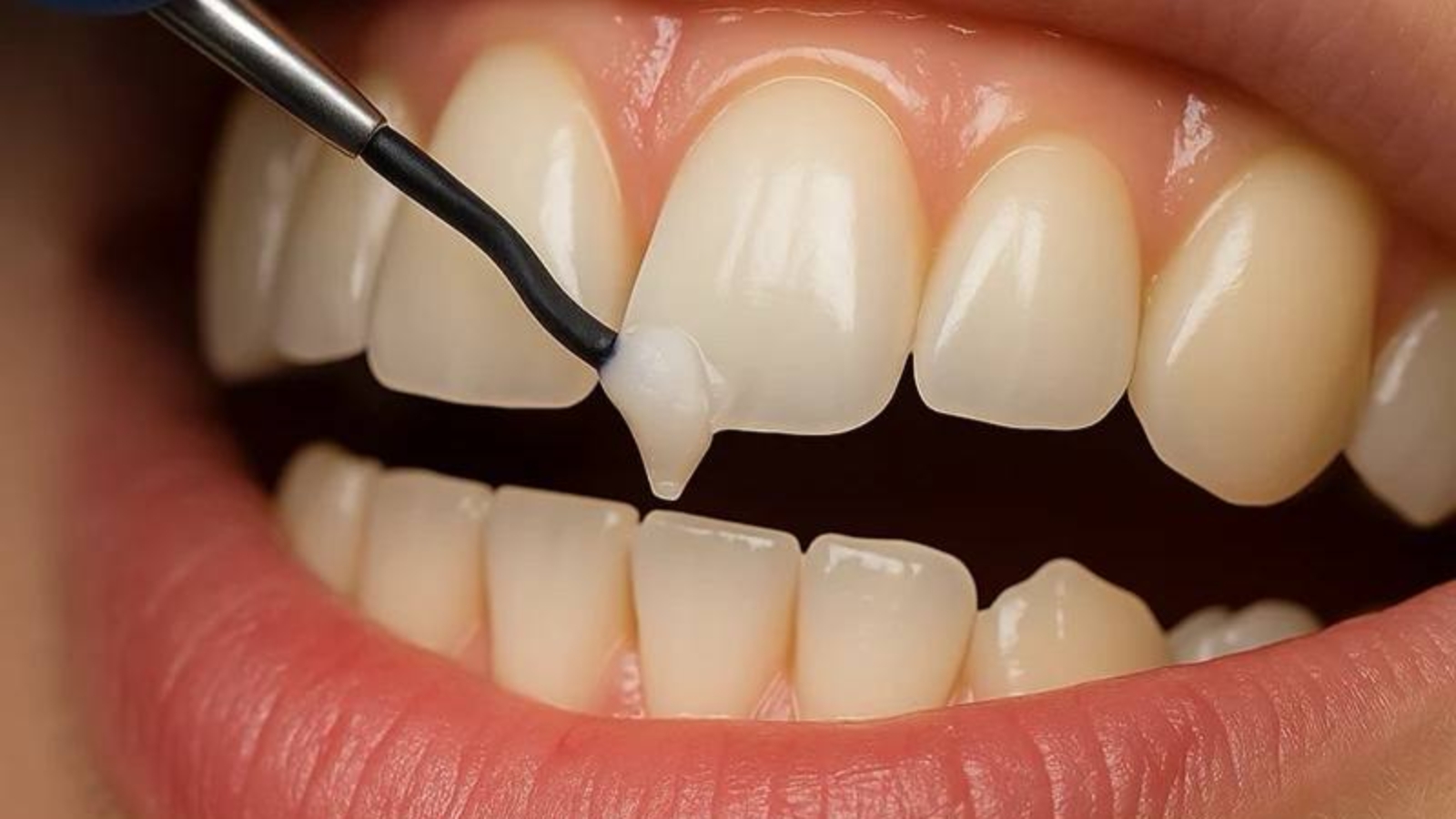
Modern aesthetic dentistry is increasingly focused on preserving the maximum amount of natural tooth structure while providing patients with treatments capable of delivering significant aesthetic improvements through minimally invasive techniques. Dental bonding represents one of the most effective approaches for achieving this objective because it allows clinicians to correct tooth shape, color, and minor enamel imperfections without the need for prosthetic restorations or extensive preparation of healthy dental tissues. Professor Alexander von Breuer considers the development of adhesive dentistry to be one of the most significant achievements in modern aesthetic restoration because it successfully combines exceptional precision, functional reliability, and biologically conservative treatment principles. At DentalClinic24, we regard dental bonding as a highly sophisticated method of minimally invasive tooth reconstruction that requires not only artistic skill but also a thorough understanding of dental anatomy, occlusion, and the physical properties of contemporary composite materials.
Dental bonding is indicated in clinical situations where minor fractures, enamel cracks, localized discoloration, small spaces between teeth, irregular incisal edges, or subtle anatomical disproportions require correction. The objective extends far beyond simply adding restorative material to the tooth surface. Every restoration must accurately reproduce the natural architecture of the tooth while preserving its functional performance. Successful treatment requires careful recreation of enamel translucency, dentin color depth, surface microtexture, and proper distribution of functional occlusal forces. This comprehensive approach allows the restoration to integrate harmoniously into the natural dentition, producing an appearance that is virtually indistinguishable from the surrounding healthy teeth.
Preparation for dental bonding begins with a comprehensive clinical examination. The condition of the enamel, occlusion, tooth alignment, intensity of functional contacts, presence of pathological tooth wear, and the overall activity of the masticatory system are carefully evaluated before treatment begins. Advanced digital technologies allow clinicians to simulate the future shape of the teeth, analyze smile proportions, and predict the final aesthetic outcome prior to the restorative procedure. At DentalClinic24, we combine clinical assessment, digital treatment planning, and aesthetic design to ensure that every bonded restoration corresponds precisely to the patient’s unique anatomical characteristics while maintaining long term stability under normal functional loading.
Modern composite materials possess excellent mechanical strength, outstanding adhesive properties, and sophisticated multilayer optical characteristics that closely reproduce the natural appearance of enamel and dentin. Their varying degrees of translucency, extensive shade selection, and layer by layer application techniques allow clinicians to recreate the natural optical depth of healthy teeth with remarkable precision. When strict adhesive protocols and proper polymerization techniques are followed, these restorations demonstrate excellent resistance to functional loading, maintain their aesthetic qualities over time, and provide durable marginal sealing between the restorative material and natural tooth tissues.
Equally important is strict adherence to biomechanical principles throughout the restorative process. At DentalClinic24, we evaluate not only the visual appearance of the future restoration but also the influence of altered tooth morphology on masticatory force distribution, occlusal contacts, temporomandibular joint function, and the interaction between individual teeth during normal function. This comprehensive clinical approach minimizes the risk of premature composite wear, preserves occlusal stability, and provides long term functional reliability even under demanding daily chewing conditions.
Long term clinical success also depends on systematic follow up care and professional preventive maintenance. Regular assessment of restoration integrity, evaluation of surface polish, analysis of occlusal relationships, and professional dental hygiene procedures help preserve the original aesthetic appearance while preventing factors that may shorten the lifespan of composite restorations. Modern diagnostic technologies enable clinicians to monitor restorations objectively and, whenever necessary, perform minor adjustments without requiring extensive retreatment, thereby maintaining both functional integrity and aesthetic excellence for many years.
At Dental Clinic24, we consider dental bonding to be an advanced technique in modern aesthetic dentistry that combines minimally invasive treatment, digital planning, innovative composite materials, and a profound understanding of functional dentistry. This comprehensive philosophy allows us to correct tooth shape, color, and minor enamel defects while preserving natural dental tissues, maintaining biological integrity, ensuring functional stability, and achieving harmonious smile aesthetics that remain durable over the long term.
Previously, we wrote about Magnetolaser Therapy in Dental Treatment: How Combined Physiotherapeutic Impact Improves Microcirculation, Controls Inflammation, and Enhances Tissue Regeneration