
Severe dental pain that appears suddenly often indicates inflammation of the pulp – the inner tooth tissue containing the nerve. According to clinical observations by Professor Alexander von Breuer, it is not always possible to preserve the nerve, even in cases of early intervention. However, when performed in time, nerve removal allows the tooth itself to be saved and prevents further complications. At DentalClinic24, we view this procedure as part of precise endodontic therapy aimed at maintaining the tooth structure and restoring full function.
Nerve removal is indicated in cases of deep carious lesions, trauma, pulpitis, severe pain, sensitivity to hot stimuli or when infection has reached the root area. At DentalClinic24, diagnostics are performed prior to treatment using 3D imaging and tissue response testing. This helps determine the extent of inflammation and assess whether partial preservation is possible or full endodontic treatment is required.
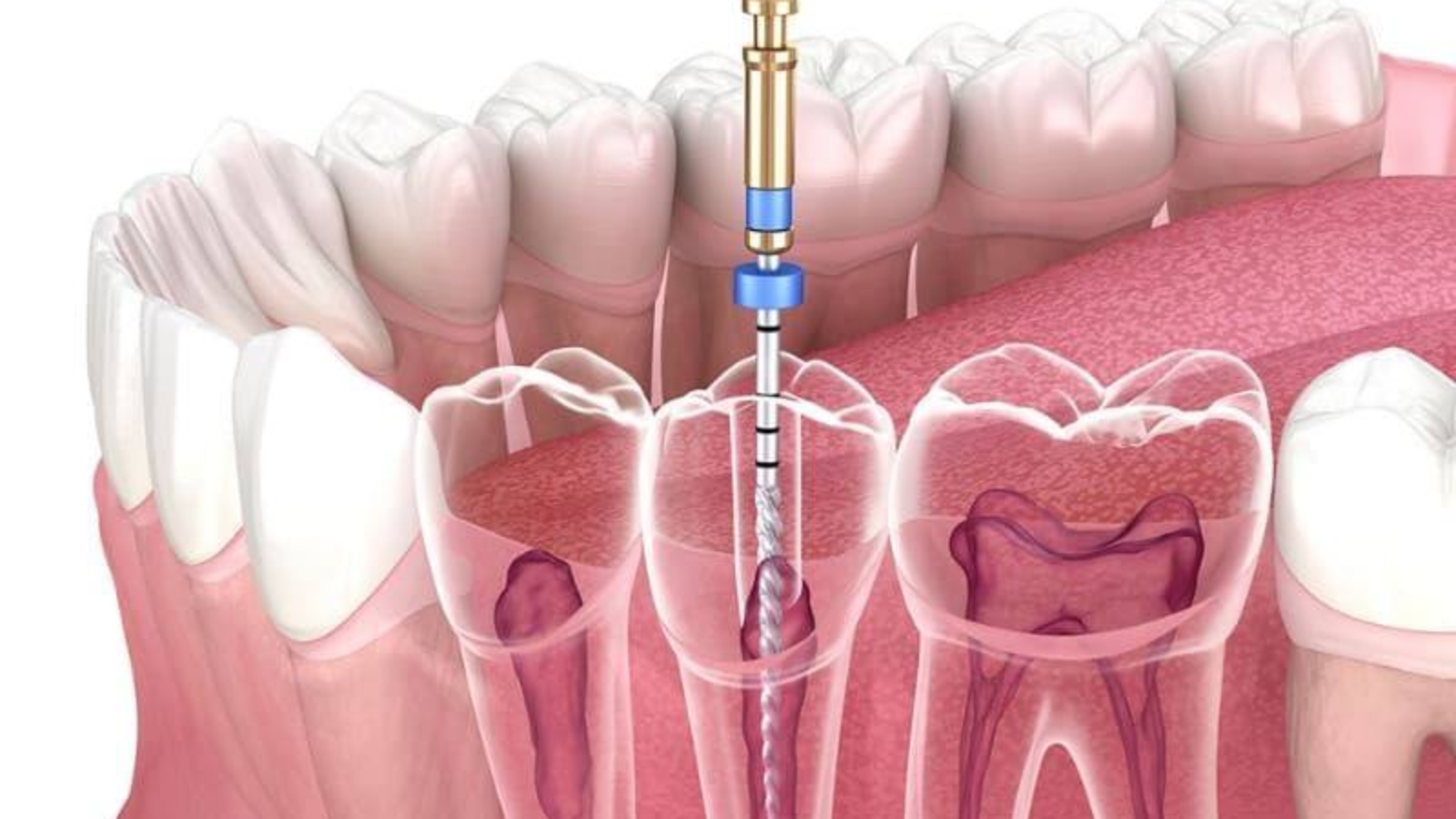
The procedure is carried out under local anaesthesia and is painless. At DentalClinic24, we use microscopic equipment and flexible nickel–titanium instruments, which allow precise canal treatment without damaging surrounding tissues. Based on the clinical experience of Professor von Breuer, the most critical stage is thorough cleaning of the root canal and its sealing with biocompatible materials – this prevents reinfection and ensures long-term stability.
Although the tooth retains its mechanical function after nerve removal, it may become more fragile over time. At DentalClinic24, we use additional restorative approaches, including aesthetic restoration or crown placement if required, to strengthen the tooth and protect it from future load. This helps avoid extraction and preserve its natural anatomy.
Nerve removal is not the final stage but part of a comprehensive treatment plan. At Dental Clinic24, we follow up with patients after the procedure, monitor adaptation and adjust the recovery protocol if necessary. When performed on time, the tooth can remain functional for many years without discomfort. Professor von Breuer’s clinical practice confirms that the earlier the cause of pain is identified and treated, the higher the likelihood of long-term tooth preservation without further complications.
Earlier, we wrote about tooth pulpitis and how precise therapy helps preserve the tooth