
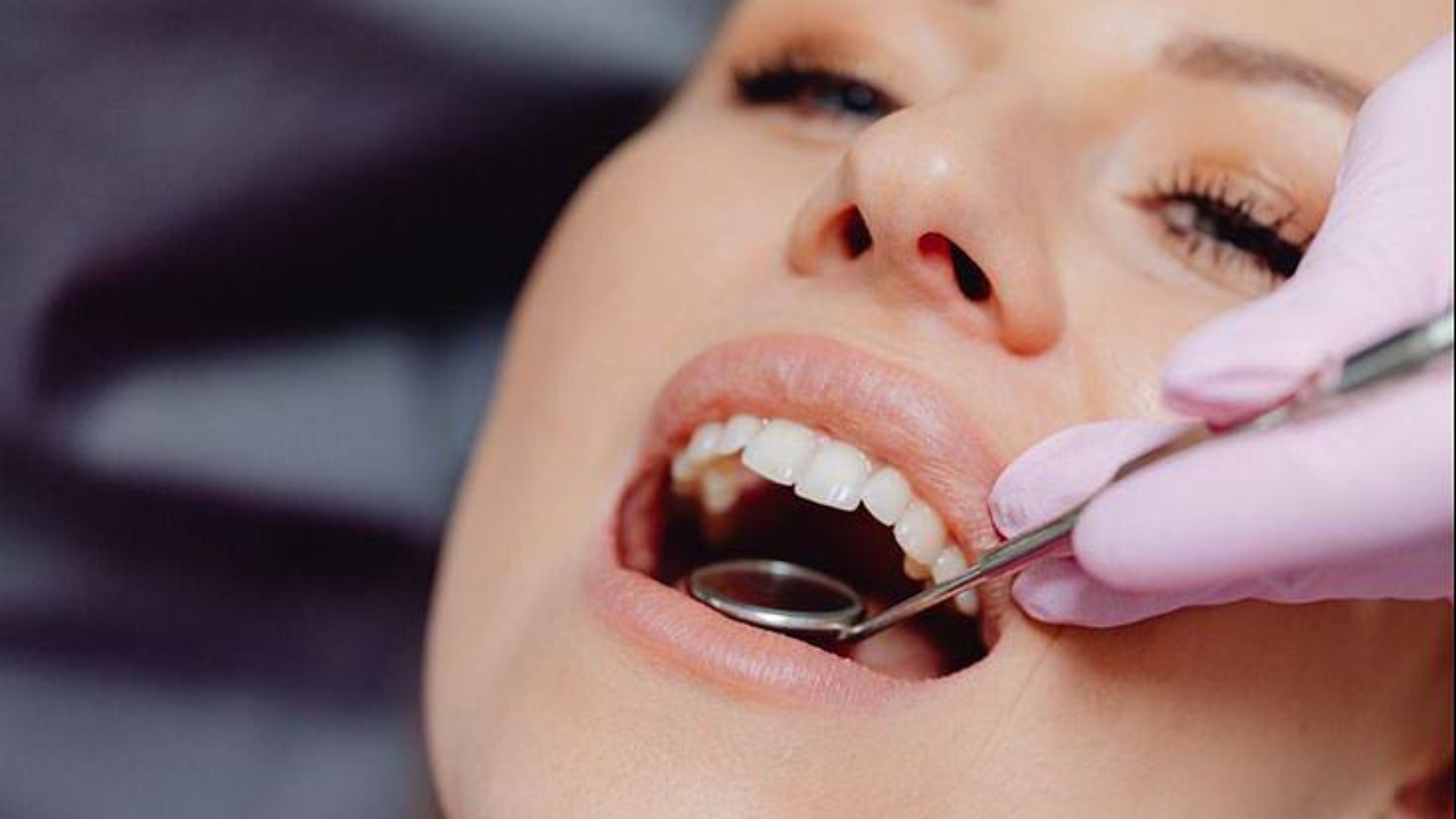
Many patients visit the dentist with complaints such as tooth wear, headaches or tension in the jaw, without realising that these symptoms may be related. As Professor Alexander von Breuer believes, bruxism is not simply a habit of grinding teeth at night, but a functional disorder that, if left untreated, can lead to complex changes within the oral system. At DentalClinic24, we consider nocturnal teeth clenching a clinical risk factor that impacts the longevity of restorations, tissue stability and even the success of future treatment.
The challenge lies in the fact that most patients are unaware of this activity during sleep. At DentalClinic24, bruxism diagnostics include occlusal assessment, evaluation of temporomandibular joint function and digital scanning to analyse tooth surface wear. According to Professor von Breuer, even minor enamel abrasion may indicate increased mechanical stress which, if uncontrolled, can lead to microcracks, sensitivity and restoration failure.
Bruxism also affects facial muscles and sleep quality. At DentalClinic24, we carefully analyse patient-reported symptoms and functional patterns and, when necessary, provide relaxation splints designed to redistribute pressure and prevent further damage. This approach helps reduce the risk of cracks, chips and supports the preservation of natural structures with minimal intervention.
Treatment of bruxism is not limited to protective splint therapy. At DentalClinic24, we consider additional factors such as stress influence, occlusal adjustment and, where appropriate, collaboration with specialists from related fields. As Professor von Breuer states, it is essential not only to protect the teeth but to restore functional harmony between the joint, muscles and occlusal system.
If left unmanaged, bruxism may lead to more complex consequences – restoration fracture, temporomandibular joint dysfunction or dental arch deformation. At Dental Clinic24, we approach bruxism treatment as a preventive clinical measure and a required stage before prosthetic or implant treatment. This approach allows us to achieve predictable outcomes and preserve the patient’s smile in the long term.
Earlier, we wrote about immediate implant placement and how to preserve aesthetics right after tooth extraction