
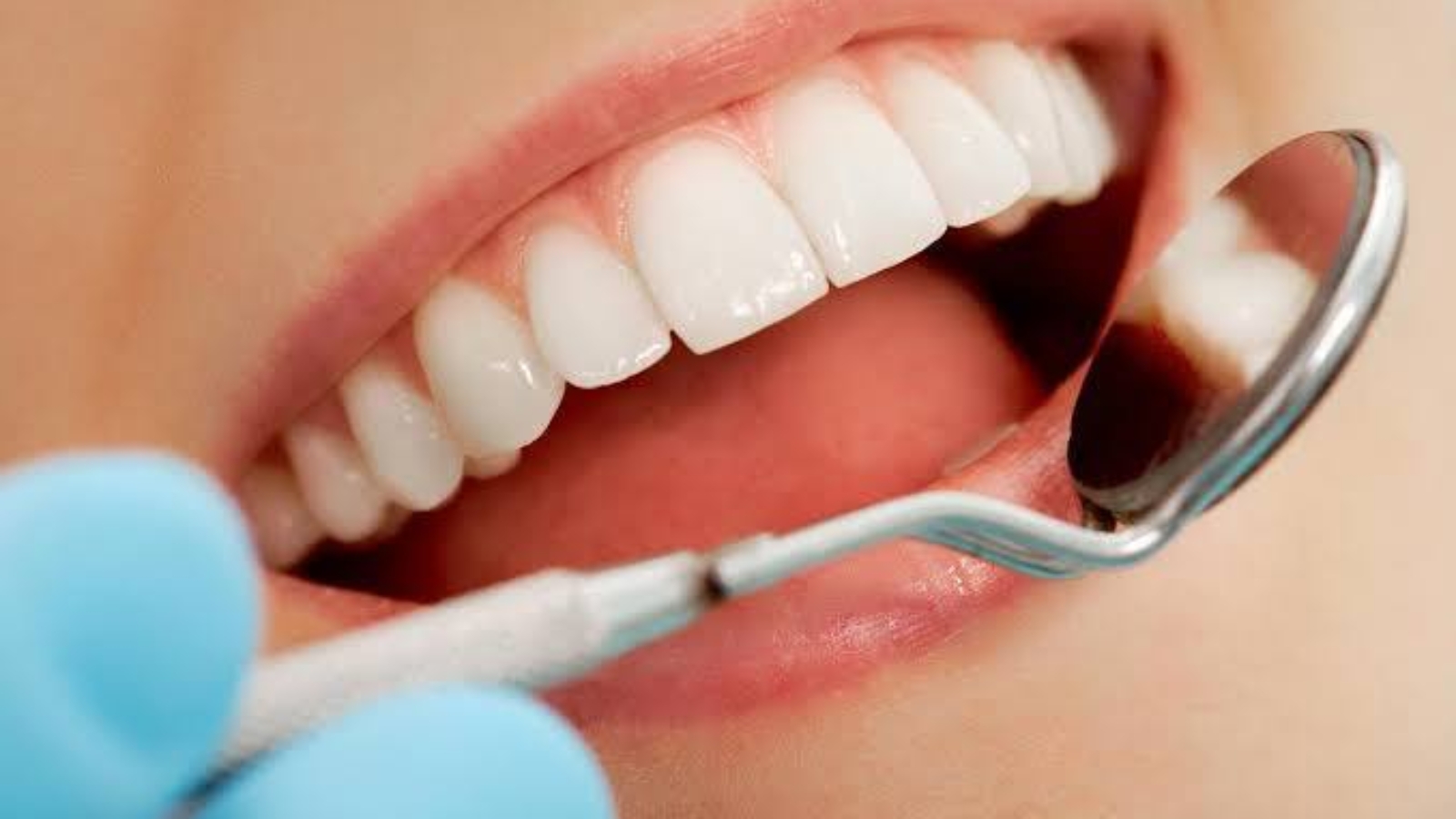
Patients often expect to proceed quickly to the prosthetic phase, aiming to restore tooth shape or receive definitive restorations as soon as possible. However, as Professor Alexander von Breuer believes, the long-term stability of the result depends directly on the condition of the oral cavity at the moment treatment begins. At DentalClinic24, sanitisation is a mandatory preparatory step – we eliminate inflammation, stabilise the tissues and create optimal conditions before moving to reconstruction.
Sanitisation includes caries treatment, management of inflammatory processes, endodontic therapy where required, professional hygiene and correction of functional overload if abnormal occlusal forces are identified. At DentalClinic24, this approach reduces the risk of complications following prosthetic treatment and helps prevent premature failure. According to Professor von Breuer, attempting to restore structures without proper preparation may result in compromised prosthesis fixation, recurrence of inflammation or overloading of supporting teeth.
Accurate diagnostics are essential. At DentalClinic24, we use microscopy, digital modelling and 3D scanning to assess lesion depth, periodontal condition and the quality of root structures. This enables early identification and management of hidden clinical issues before the prosthetic phase begins, significantly reducing the likelihood of re-intervention and extending restoration longevity.
Sanitisation is particularly relevant prior to implant placement, prosthetic rehabilitation and full smile reconstruction. At DentalClinic24, we regard preparation as an investment in outcome predictability: treatment begins with tissue stabilisation, followed by structural optimisation and only then reconstruction. As Professor von Breuer states, it is precisely this sequence – beginning with health improvement, followed by stabilisation and only afterwards reconstruction – that ensures clinical reliability for years ahead.
Initiating prosthetic intervention without adequate preparation increases the risk of tissue overload, compromised aesthetics and potential need for corrective treatment. At Dental Clinic24, we prevent such risks by establishing optimal biological conditions before restorative work, ensuring both clinical precision and patient confidence.
Earlier, we wrote about the role of microscopy in dentistry and how it enables precision beyond the limits of the naked eye