
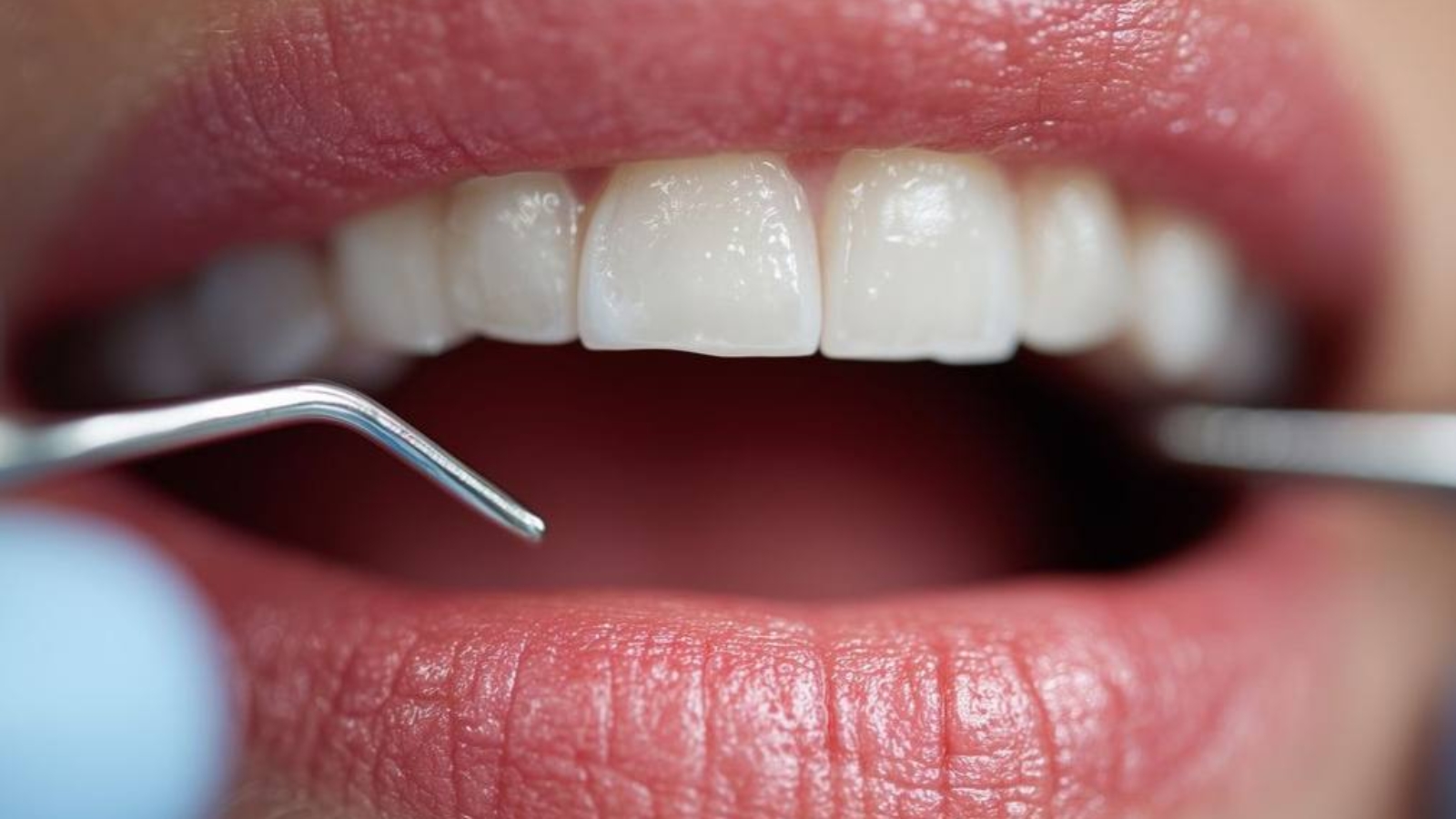
In dentistry, clinical parameters such as tissue condition, bite alignment and bone structure are commonly assessed first. However, as Professor Alexander von Breuer believes, the true prognosis of treatment is often determined not by medical indicators alone but by everyday habits that typically go unnoticed. At DentalClinic24, we evaluate not only anatomical data but also the patient’s behavioural patterns outside the clinic – this approach allows us to predict treatment outcomes more accurately and minimise the risk of complications.
Invisible risk factors include actions the patient rarely associates with oral health – lip tension, using teeth as a tool, frequent alternation of hot and cold beverages, or consistently chewing on one side. At DentalClinic24, we see that such micro–habits may contribute to microcracks, imbalance in occlusal load and accelerated wear of restorations. Professor von Breuer notes that the earlier these behavioural tendencies are identified, the greater the likelihood of preserving treatment stability.
Emotional impact plays a crucial role as well. During periods of stress, many patients unconsciously clench their teeth – particularly at night. At DentalClinic24, we observe a strong correlation between increased muscle activity, bruxism and compromised longevity of restorations. These behaviours are often invisible in clinical inspection yet exert long–term strain on dental structures, gradually weakening them.
Nutritional habits can also influence prognosis. Frequent consumption of acidic beverages, biting into hard foods or sudden temperature shifts may not cause noticeable symptoms but can progressively damage enamel. At DentalClinic24, we assess such risks and provide dietary adaptation protocols following restorative or prosthetic treatment. As Professor von Breuer believes, even minor lifestyle adjustments can increase restoration lifespan multiple times.
Hygiene techniques represent another significant factor. Complications often arise not only due to insufficient oral care but also due to excessive pressure applied during brushing or the inappropriate choice of toothpaste. At DentalClinic24, we recommend personalised care strategies based on the clinical situation and enamel resistance.
According to Professor von Breuer, treatment prognosis is determined not only by the quality of clinical intervention but also by how consciously a patient manages their daily behaviour afterward. At Dental Clinic24, we consider these invisible factors as part of the therapeutic process and integrate them into treatment planning when necessary.
Earlier, we wrote about what defines clinical case complexity – according to the professor