
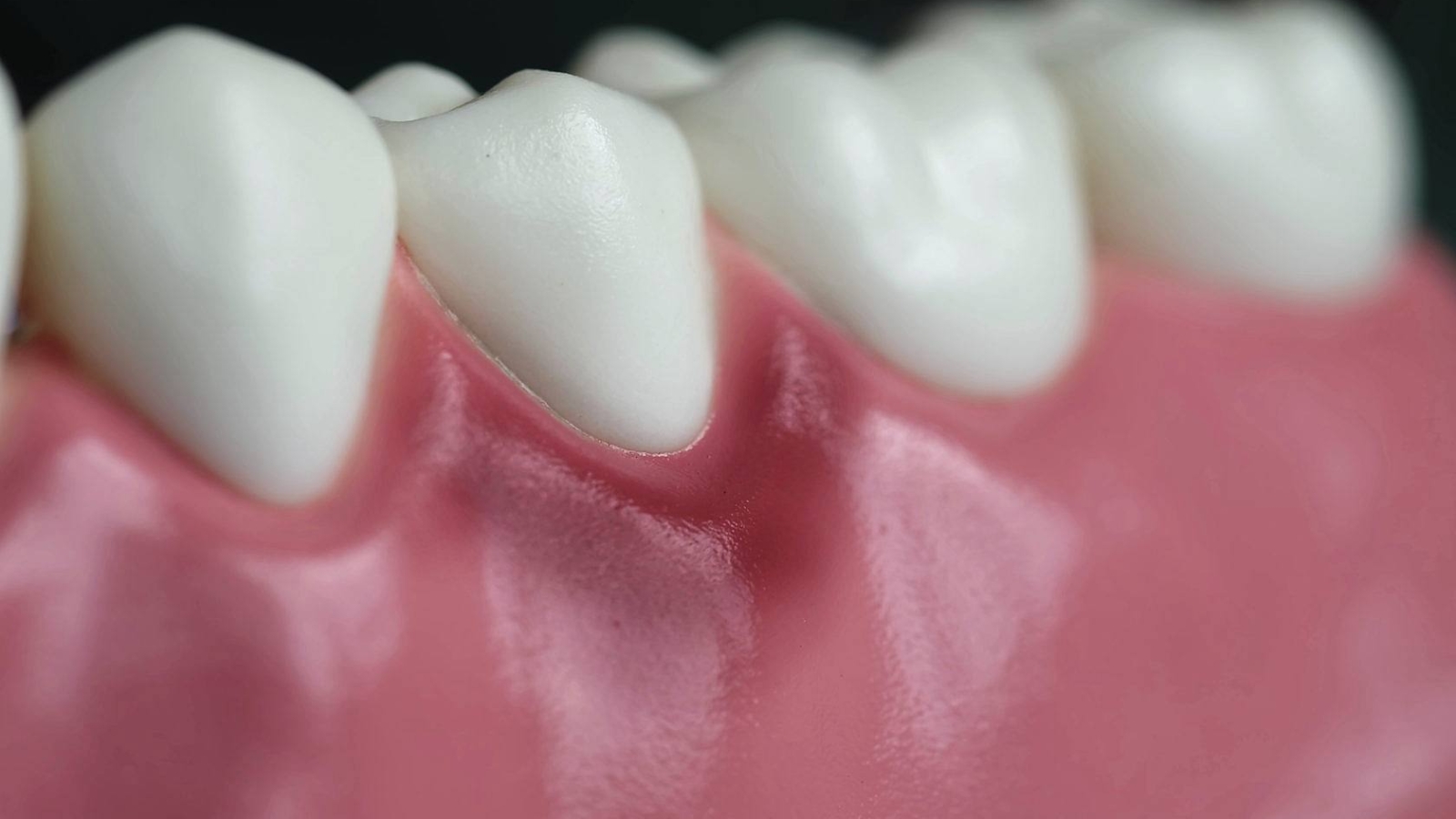
Soft tissue healing after dental procedures plays a crucial role in long-term treatment prognosis. As Professor Alexander von Breuer believes, the speed and quality of regeneration largely determine the longevity of the final result – from implant integration to prosthetic stability. At DentalClinic24, we pay close attention to the condition of the gums both before and after treatment, because healthy soft tissues form the biological foundation for lasting success.
Soft tissues have a high natural capacity for regeneration, yet the process depends on multiple factors – microcirculation, microbiological balance, inflammation levels, hygiene quality and individual patient response. At DentalClinic24, we use personalised protocols aimed at reducing swelling, improving tissue nutrition and supporting cellular regeneration. According to Professor von Breuer – managing these processes correctly significantly increases long-term stability.
The initial phase of healing is determined by blood supply quality. Gum tissues must receive sufficient oxygen and nutrients for predictable recovery. At DentalClinic24, we support this process with gentle surgical protocols and atraumatic techniques that minimise vascular damage. Such an approach helps tissues heal faster and reduces the risk of chronic inflammation.
The microbiological environment is equally important. Even minor imbalance can slow regeneration or trigger complications. At DentalClinic24, we assess oral microbiota prior to treatment and create tailored care programs based on gentle antiseptics and biofilm control. This is especially vital after implant placement, where the tissue–implant interface must remain stable. As Professor von Breuer notes, implant success often depends not on mechanics alone but on how predictably the soft tissues behave.
Mechanical protection of the healing area is another key factor. Any micromovements, excessive pressure or incorrect occlusion may disrupt the regenerative process. At DentalClinic24, we monitor muscle activity and, when necessary, recommend temporary splints to reduce load on the treated area. This helps prevent recession, bleeding and tissue displacement during the early healing phase.
Regeneration continues long after the site appears visually healed. Collagen fibres develop gradually, and the final strength of the gum tissue depends on whether a protective regimen was maintained during the first weeks. At Dental Clinic24, we accompany patients through every stage of recovery, scheduling follow-up visits and adjusting hygiene and load recommendations when needed. Such a comprehensive approach ensures long-term stability of both soft tissues and the entire restorative structure.
Earlier, we wrote about how masticatory muscle tension affects restorations and implants