
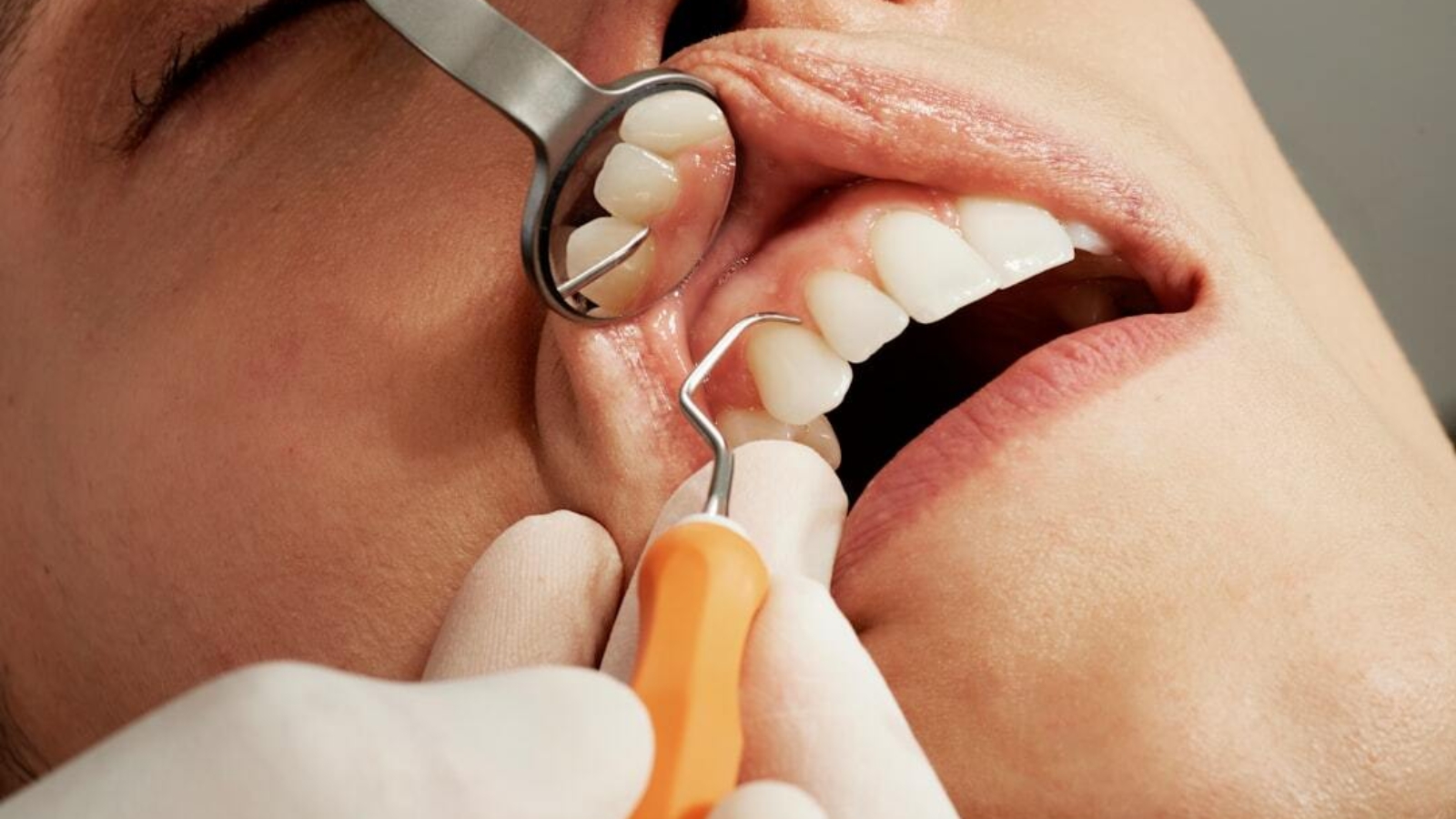
Tooth sensitivity is often perceived as a minor discomfort, yet in clinical practice it serves as an important diagnostic indicator. As Professor Alexander von Breuer believes, nerve reactivity reflects the condition of deep dental structures and determines which treatment strategy will be the safest and most predictable. At DentalClinic24, we view sensory sensitivity not as an isolated symptom but as a key to understanding the biological processes within the tooth and periodontal tissues.
Teeth possess a complex nerve network capable of responding to cold, heat, pressure and chemical stimuli. This reaction is regulated by the pulp – a living tissue responsible for nourishment and protection. At DentalClinic24, we evaluate the type and intensity of sensitivity to determine the depth of involvement, the reaction speed and the tissue’s regenerative potential. Professor von Breuer emphasizes that simply suppressing the symptom without identifying the cause may provoke complications, hidden inflammation or nerve damage.
Sensory reactivity changes depending on enamel condition. When enamel becomes thinner, sensitivity increases – the tooth reacts faster to temperature changes and sugary foods. At DentalClinic24, we assess the degree of demineralisation and determine whether a remineralisation protocol is sufficient or if a more advanced intervention is required. According to Professor von Breuer – enamel can be restored only when the level of sensitivity is correctly interpreted.
Mechanical sensitivity is equally important. If a patient feels discomfort while biting, this may indicate issues within the root system, microcracks or inflammatory processes in the periodontal ligament. At DentalClinic24, we use microscopic diagnostics and additional functional tests to identify the source of the problem before severe symptoms appear. This approach helps prevent unnecessary endodontic treatment or premature tooth extraction.
Nerve reactivity also plays a critical role when planning restorations. If a tooth is excessively sensitive, functional load must be distributed with exceptional precision. At DentalClinic24, we consider this factor when selecting materials, defining restoration thickness and choosing the fixation method. As Professor von Breuer notes, ignoring sensory reactivity may lead to prolonged discomfort, poor adaptation and reduced lifespan of the restoration.
Sensitivity tests also reveal systemic factors. Sensitivity may intensify due to stress, hormonal fluctuations or reduced salivary flow. At DentalClinic24, we analyse these influences and adjust the treatment protocol to prevent overload of the nerve structures. This ensures smoother adaptation and decreases the risk of complications.
Effective treatment strategy always depends on how tissues respond. At Dental Clinic24, we use a comprehensive diagnostic approach – combining sensory evaluation, microscopic assessment and biomechanical analysis to form an accurate, patient-specific treatment plan. As Professor von Breuer believes, understanding the nerve response is what makes treatment truly individual and clinically reliable.
Earlier, we wrote about why the movement of teeth and soft tissues shapes treatment strategy