
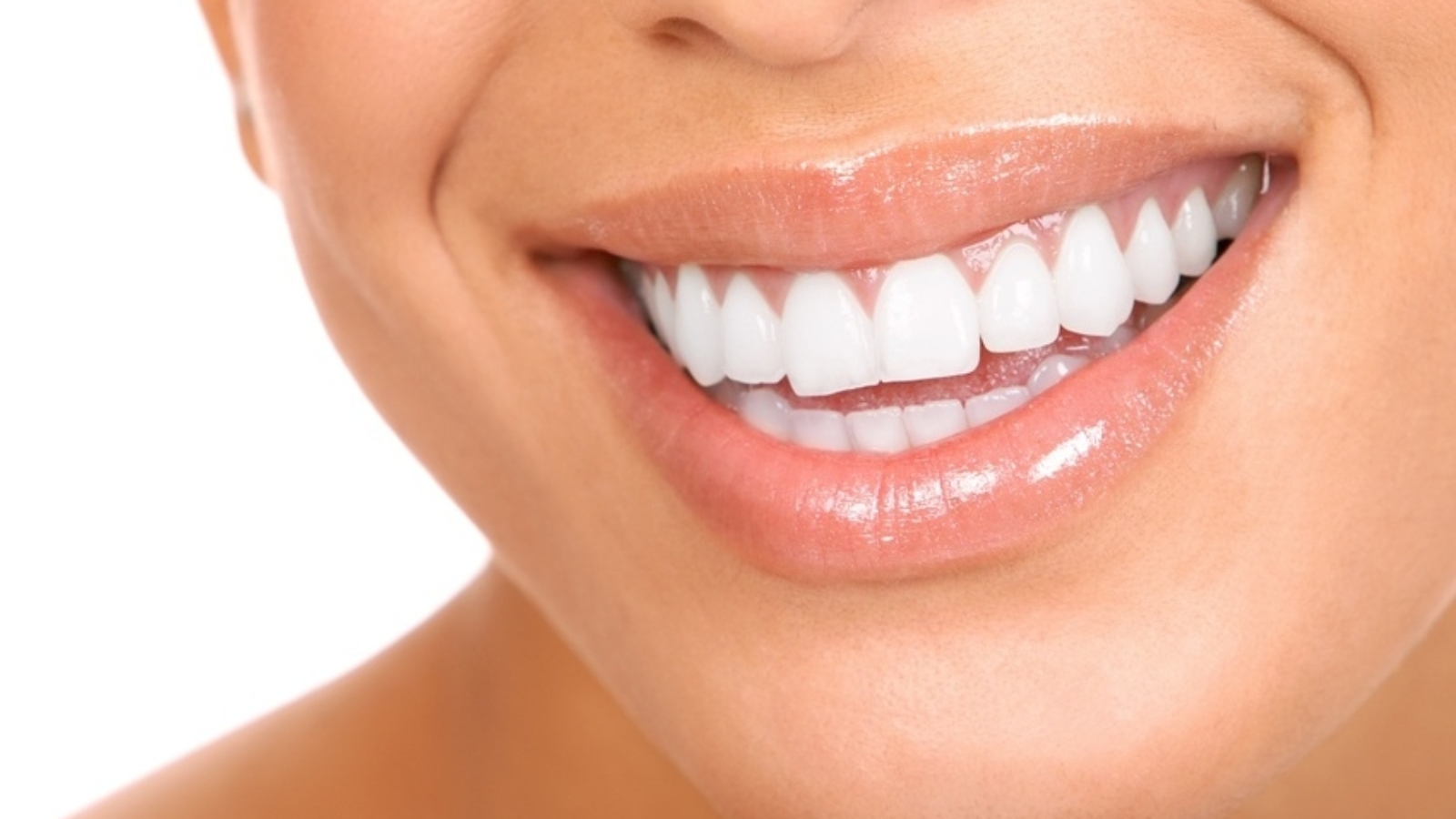
Modern dentistry views a smile not only as a set of anatomical characteristics but also as a key element of how a face is perceived. As Professor Alexander von Breuer emphasises, micrometric differences in tooth position and soft tissue levels can influence facial balance more significantly than major structural changes. At DentalClinic24, we analyse the smile as a visual composition in which every millimetre contributes to overall harmony.
Aesthetic symmetry is shaped by the alignment of lines, angles, proportions and smile height. Our specialists evaluate each tooth’s position, inclination and rotation – even a 0.2–0.3 mm deviation can alter how a smile looks when a person speaks or smiles broadly. The clinic’s dentists use digital measurements that allow us to compare real anatomical data with aesthetic standards and predict how the face will appear after treatment.
Soft tissues play an equally important role. The gingival line, lip mobility and the degree of upper lip elevation during smiling all contribute to visual rhythm. At DentalClinic24, we assess gingival contour symmetry, examine whether left and right segments differ and determine how evenly the smile height is distributed. According to Professor von Breuer – even a slight gingival asymmetry may cause a noticeable imbalance, especially in wide smiles.
Vertical tooth proportions matter just as much. Teeth that appear too short or too elongated distort facial harmony and make the smile look less natural. Our dentists evaluate clinical crown length with precision down to tenths of a millimetre – a level of accuracy that ensures natural and predictable outcomes. At DentalClinic24, we digitally simulate the future smile, taking into account the patient’s facial expressions to ensure that symmetry appears lively rather than artificially strict.
Microaesthetics also influence perception. The translucency of the incisal edge, angle definition, light-reflective zones and surface texture all determine how a tooth looks in motion. Our doctors harmonise these parameters across the anterior teeth – since their symmetry forms the central aesthetic focus of the face.
Smile symmetry cannot be evaluated without understanding function. If teeth shift due to muscular imbalance or incorrect occlusion, aesthetic improvements will not remain stable. At DentalClinic24, we combine visual analysis with functional diagnostics – studying mandibular movement, masticatory muscle activity and load distribution. This comprehensive approach allows Professor von Breuer and our team to achieve results that look harmonious and remain stable over time.
Aesthetic symmetry is not about achieving absolute equality – it is about creating visual balance. Small individual asymmetries make a smile natural, while pronounced imbalances may require correction. At Dental Clinic24, we tailor treatment plans by integrating biological, functional and aesthetic parameters to ensure results that are both natural and long-lasting.
Earlier, we wrote about why coffee, sports and sleep influence clinical treatment strategy