
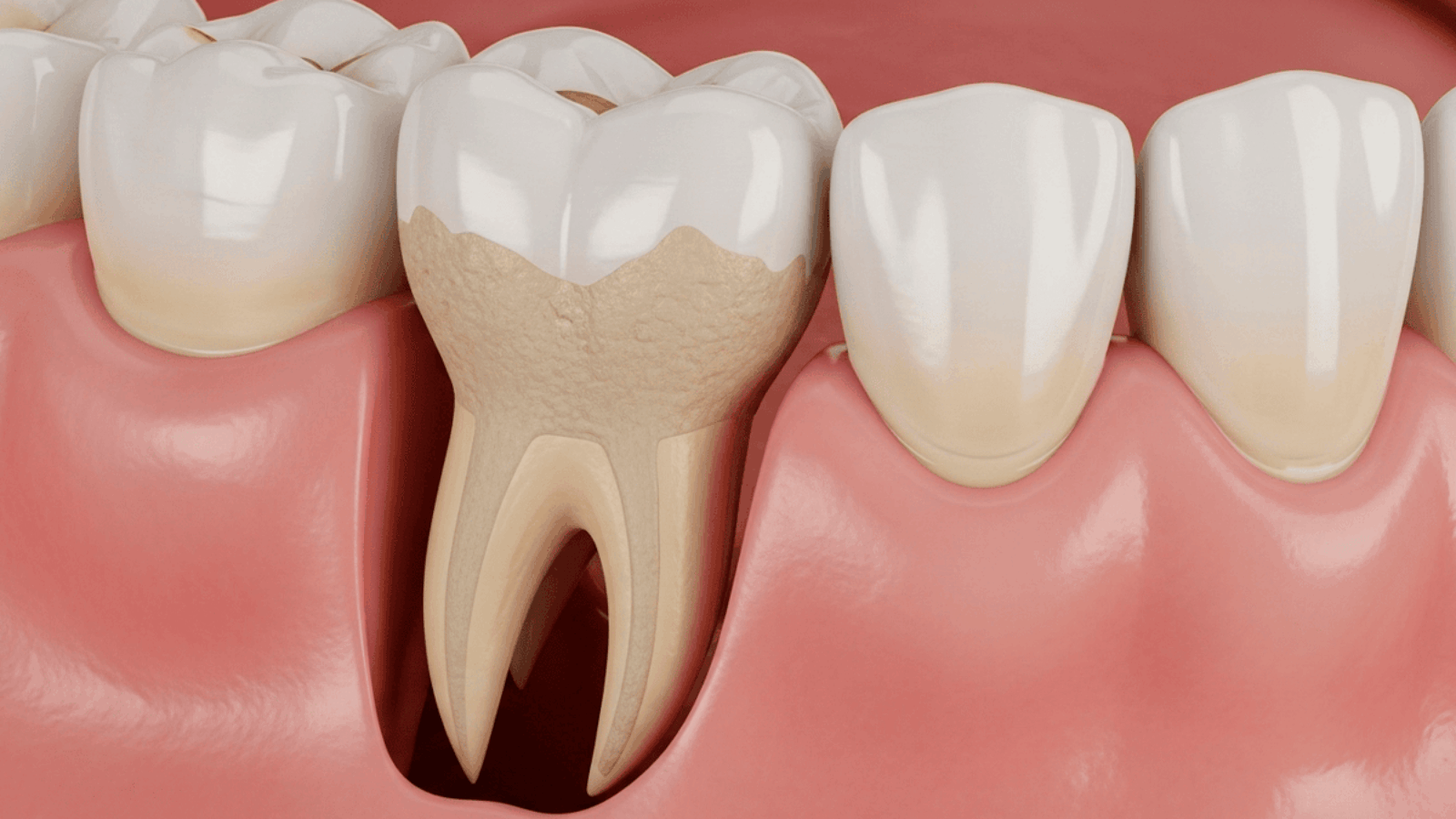
The anatomy of a tooth root is one of the most underestimated yet decisive factors in treatment outcomes. As Professor Alexander von Breuer explains, the root system determines how predictable therapy will be, how tissues will respond and how long the result can remain stable. At DentalClinic24, root anatomy is always analysed in detail before any intervention – from endodontics to prosthetics and surgical procedures.
Root shape varies widely between patients: some roots are straight and conical, while others have pronounced curvature, bifurcations or additional accessory canals. At DentalClinic24, our specialists examine each root using high-resolution imaging to determine how its shape may affect access, cleaning and long-term stability. According to Professor von Breuer, ignoring anatomical variations increases the risk of incomplete treatment or future complications.
The internal structure of the root also plays a significant role. Narrow, flattened or ribbon-shaped canals make mechanical cleaning more challenging and require a different approach to instrumentation. At DentalClinic24, we use magnification and advanced endodontic techniques to ensure that even complex canal systems are thoroughly cleaned and shaped. This prevents hidden inflammation and supports long-term periapical health.
Curvature of the root is another critical factor. Excessive curvature increases the risk of instrument separation, perforation or insufficient irrigation. In such cases, the treatment must be planned with micro-precision. Our dentists evaluate curvature angle, radius and torsion to determine the safest and most effective protocol. As Professor von Breuer notes, understanding root trajectory is essential for preserving the tooth and avoiding structural weakening.
The thickness of the root walls influences prognosis as well. Thin dentin in the cervical or mid-root area increases the likelihood of fractures under occlusal pressure. At DentalClinic24, we assess dentin thickness using diagnostic tools that help predict risk zones. This information guides the choice of materials and restorative design, ensuring that the final restoration does not overload fragile root segments.
Periodontal attachment also depends on root shape. Multi-rooted teeth or roots with grooves and depressions may retain more plaque, increasing the risk of inflammation. In such cases, treatment strategies must include enhanced hygiene control and tailored maintenance programs. At DentalClinic24, we evaluate how root anatomy interacts with surrounding tissues to keep periodontal structures stable over the years.
Ultimately, treatment success is determined not only by the quality of the procedure but also by the biological and mechanical characteristics of the root system. As Professor von Breuer believes, precise diagnosis and respect for anatomical individuality prevent complications and significantly extend the lifespan of the tooth. At Dental Clinic24, we integrate root morphology analysis into every stage of planning to achieve predictable, long-lasting clinical results.
Earlier, we wrote about how DentalClinic24 detects micromobility and prevents complications