
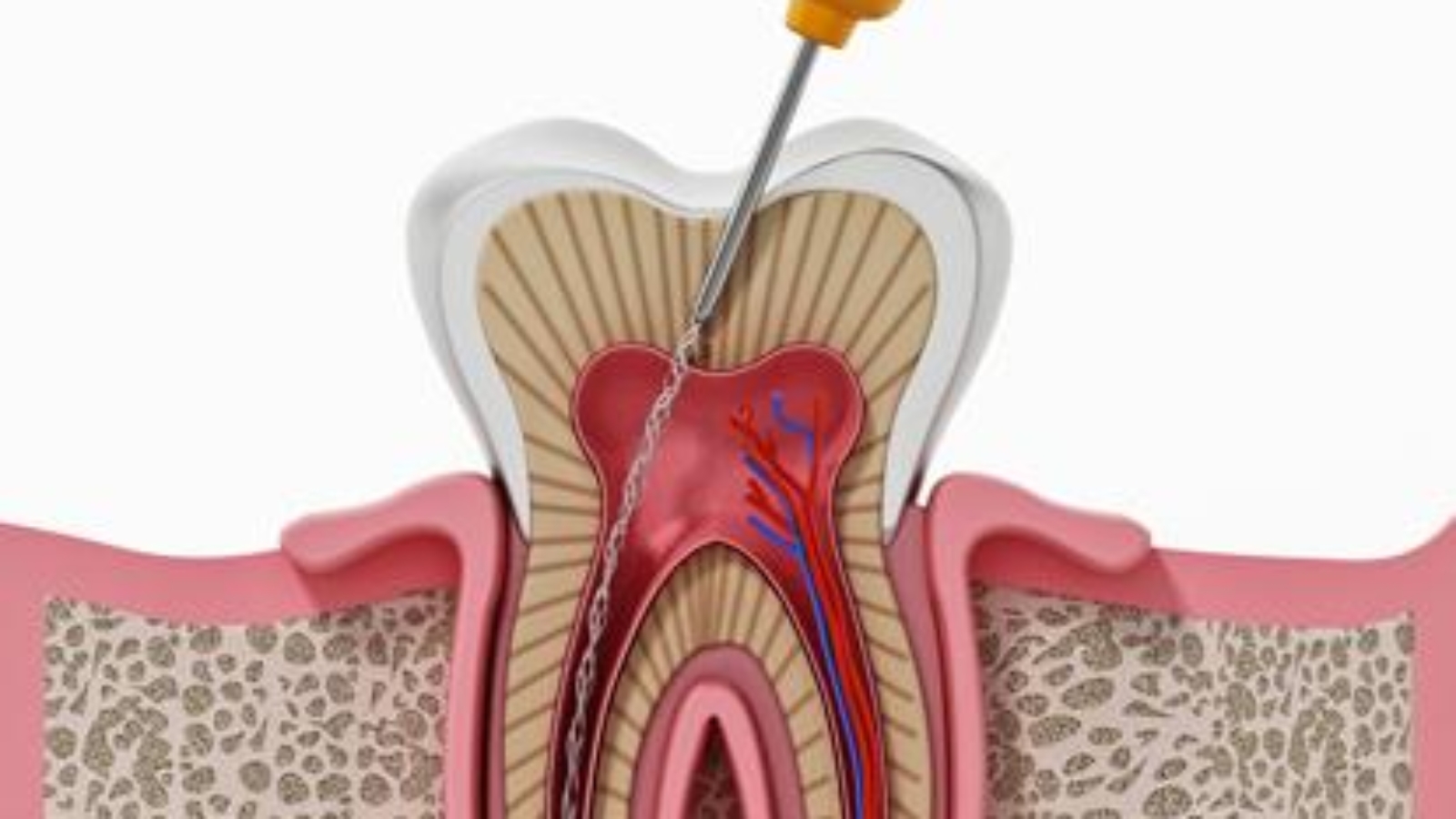
Primary root canal treatment is intended to eliminate infection and preserve the tooth structure, yet in some cases complications develop over time and revision becomes necessary. As Professor Alexander von Breuer believes, secondary endodontic treatment always requires a fundamentally different clinical strategy compared to the initial intervention. At DentalClinic24, we view revision therapy not as a repetition of the first procedure but as a complex interdisciplinary task.
When a tooth undergoes retreatment, the clinical environment has already been altered. The anatomy of the canals may be changed, residual filling materials remain inside, microfractures may be present and the surrounding tissues often demonstrate long-standing inflammatory reactions. At DentalClinic24, our specialists analyse not only the current condition of the tooth but also the entire history of previous intervention – how the canals were shaped, how the filling was performed and what biological response has developed over time.
One of the main challenges of revision treatment lies in accessing previously treated canals. Obturating materials, broken instruments, calcified passages and altered canal morphology significantly increase technical complexity. At DentalClinic24, we apply magnification systems and precise mechanical control to safely remove old materials and regain access to the full length of the root system without unnecessary loss of natural tissue.
Infection control during retreatment also follows different principles. Microorganisms that survive after unsuccessful primary therapy are often more resistant and deeply embedded within the canal system. At DentalClinic24, our doctors use advanced irrigation activation protocols that allow disinfecting additional branches, isthmuses and microcanals that may have been missed earlier. According to Professor von Breuer – revision success depends not on force, but on controlled penetration into complex canal anatomy.
Equally important is the assessment of periapical tissues. Chronic inflammatory foci often persist even after repeated attempts at treatment. At DentalClinic24, we evaluate bone regeneration potential, microcirculation status and the biological ability of tissues to recover after reinstrumentation. Without this analysis, even perfectly cleaned canals may fail to provide long-term stability.
Mechanical strategy during retreatment is also adjusted. The goal is not simply to re-shape the canals but to preserve maximum structural integrity. Excessive removal of dentin weakens the tooth and increases fracture risk. At DentalClinic24, we carefully balance cleaning efficiency with the preservation of the remaining root walls to maintain long-term biomechanical stability.
Revision endodontics directly influences future restorative planning. A weakened or reinfected tooth cannot serve as a reliable foundation for prosthetic rehabilitation. At DentalClinic24, we always evaluate how retreatment will affect future load distribution and restoration durability. As Professor von Breuer believes, endodontics and prosthetics must always be planned as a single biological system.
Revision root canal treatment demands a higher level of diagnostics, precision and biological understanding than initial therapy. At Dental Clinic24, we approach such cases as complex clinical scenarios that require foresight, careful staging and dynamic control during the healing process. This strategy allows us not only to eliminate infection but also to restore long-term functional and biological balance.
Earlier, we wrote about the philosophy of DentalClinic24 and how treatment is built around precision, analysis and predictability