
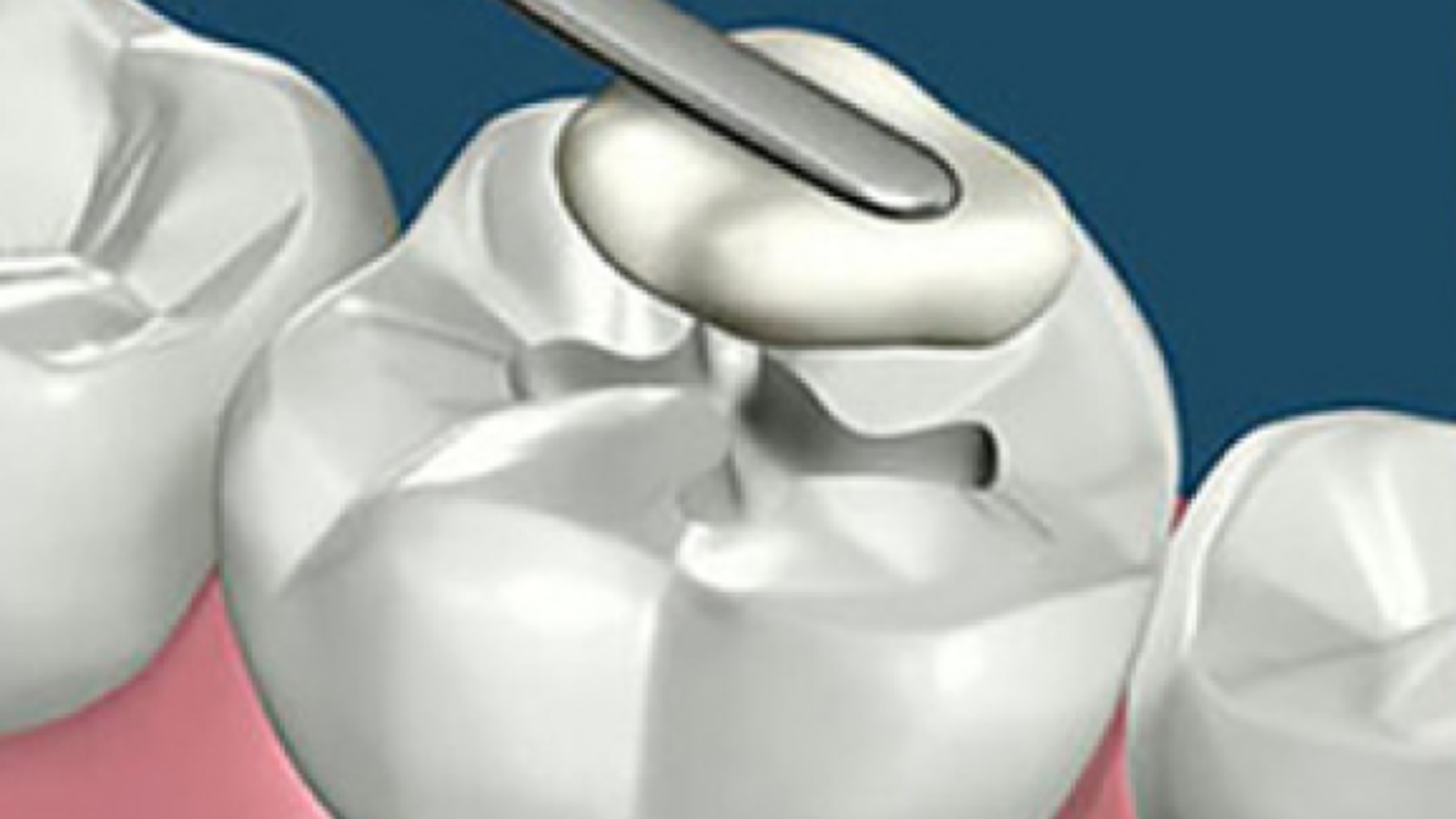
In dentistry, there are no absolutely permanent constructions – even with ideal technique and high-quality materials, restorations change over time. As Professor Alexander von Breuer believes, the aging of fillings and crowns is not a treatment defect but a natural process associated with constant load and the biological environment of the oral cavity. At DentalClinic24, we view the reassessment of restorations as part of routine control rather than as a sign of unsuccessful treatment.
Every restoration is exposed daily to chewing pressure, temperature fluctuations, saliva and microflora. Materials gradually lose their original properties – microporosity appears, marginal adaptation decreases and surface characteristics change. At DentalClinic24, we evaluate these transformations during preventive check-ups even when the patient feels no discomfort.
Micromobility plays a special role in the aging process. A tooth is not a static structure – it constantly participates in a complex load system. When a filling or crown “works” together with the tooth, areas of stress develop at their interface over time. At DentalClinic24, we monitor these zones to prevent microcracks and secondary caries.
Aging affects not only the material but also the surrounding tissues. The gingival contour may change, the level of bone support adapts to load, and the restoration margin may lose its seal. At DentalClinic24, even minor changes of this kind are regarded as an early signal for correction before destruction progresses.
Patients often rely only on visual appearance – if the filling looks intact, they assume everything is fine. However, hidden destruction may already be developing inside the tooth. Microleakage, material fatigue and changes in fixation density are not always visible externally. At DentalClinic24, we base control on a combination of objective signs rather than on visual inspection alone. As Professor von Breuer believes, internal changes most often determine the true lifespan of a restoration.
Crowns require particular attention. Despite their high strength, their stability depends on the condition of the supporting tooth. Over time, dentin structure, gingival level and load patterns may change. At DentalClinic24, we always monitor not only the crown itself but also the surrounding tissues, because long-term stability is always formed as a complex interaction.
The aging of restorations accelerates in the presence of bruxism, increased chewing activity, occlusal imbalance and chronic stress. Under such conditions, even the most advanced materials wear out faster. At DentalClinic24, we take these factors into account when predicting the service life of restorations and plan preventive corrections in advance.
Reassessment of restorations is not a replacement “after failure” but a stage of tooth preservation. At DentalClinic24, we believe that timely correction extends the life of both the construction and the tooth tissues that support it. This approach helps avoid complex repeat interventions.
Aging is a natural process, but its speed is always individual. As Professor von Breuer believes, competent monitoring of restorations allows this process to be managed rather than merely dealing with its consequences. At Dental Clinic24, we regard this as part of a long-term strategy for maintaining treatment results.
Earlier, we wrote about bone tissue metabolism and how metabolic processes influence implant integration and treatment prognosis