
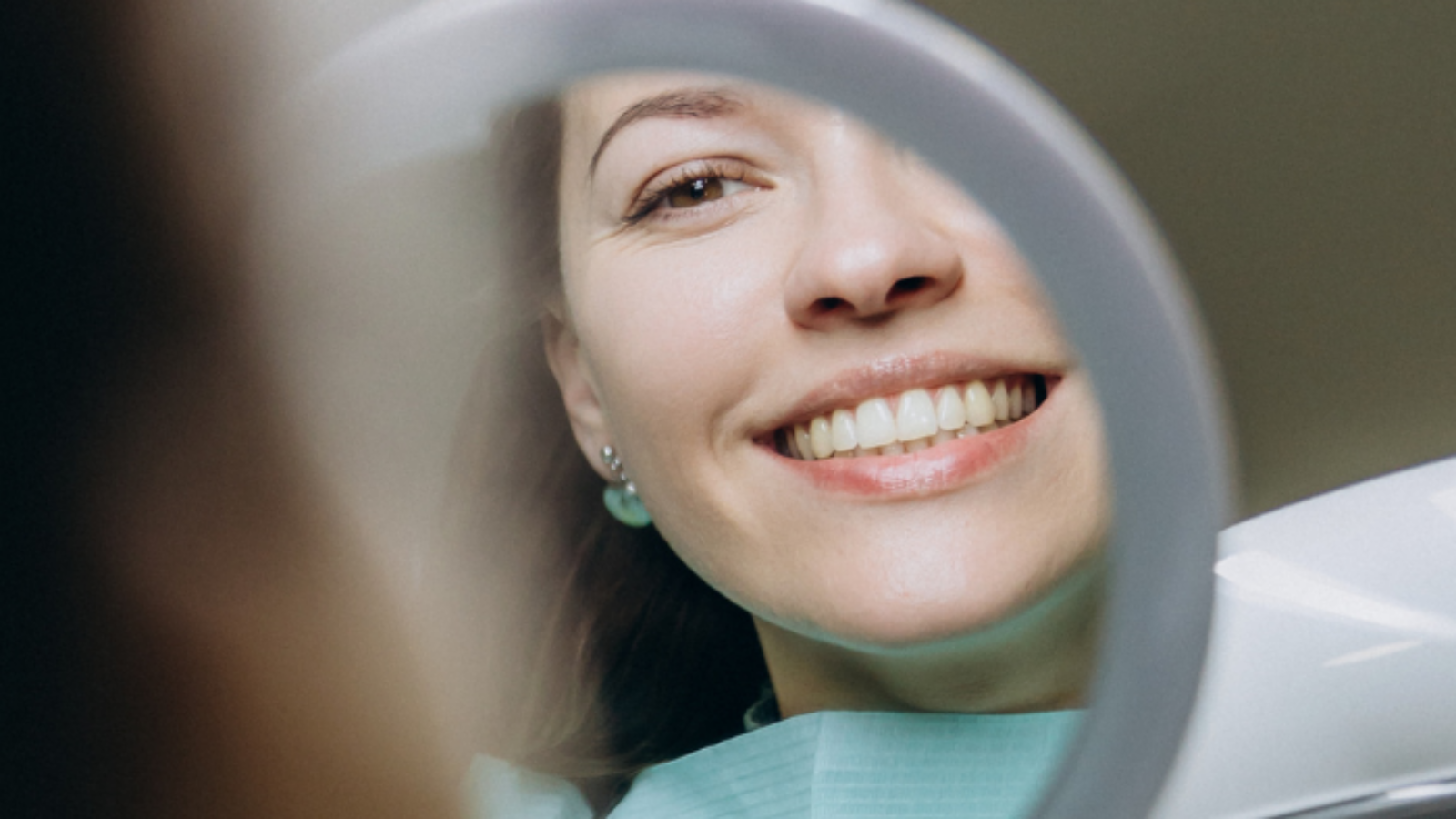
After completing dental treatment, patients often expect the result to remain unchanged for many years. However, soft tissues continue to live according to their own biological laws. As Professor Alexander von Breuer believes, the gingiva is the most dynamic element of the smile – it reacts the fastest to load, age and bite changes. At DentalClinic24, we regard gingival contour formation not as the final point of treatment but as a process that continues over time.
Immediately after crown placement, veneers or completion of orthodontic correction, the gingiva appears stable. Yet over the months and years, tissues gradually adapt to the new tooth shape, redistributed pressure and altered hygiene conditions. At DentalClinic24, we explain to patients that the smile line is a living structure rather than fixed geometry.
One of the key factors influencing contour changes is microcirculation. Blood supply to soft tissues directly depends on chewing activity, tooth position and bone condition. When load is distributed unevenly, the gingiva may change in height, density and shape. At DentalClinic24, these processes are monitored dynamically to prevent early changes from developing into aesthetic problems.
Oral hygiene also plays a major role. Even with good daily care, the margins of restorations remain vulnerable to plaque accumulation. Micro-inflammation is often barely noticeable at first, yet over time it may lead to alterations in the gingival margin. At DentalClinic24, we view supportive hygiene as part of aesthetic preservation, not only as disease prevention.
Age-related changes also influence the contour. Over the years, soft tissue volume decreases, collagen density is reduced and regeneration slows down. Even with stable teeth, the smile line may become less defined. At DentalClinic24, we take this factor into account when forecasting long-term aesthetic outcomes, especially after prosthetic treatment in the smile zone.
Occlusion should not be overlooked. Even minimal shifts in tooth contact may change the pressure applied to the gingiva. Areas of overload respond with tissue compaction, while zones of insufficient stimulation may show gradual tissue recession. At DentalClinic24, we assess these changes as part of the overall biomechanical system.
Sometimes patients perceive changes in the gingival line as a “failed treatment result”, although in many cases this represents natural tissue adaptation. As Professor von Breuer believes, the doctor’s task is not to “fix” the gingiva in place, but to create conditions under which its changes remain physiological and controllable.
Correction of the gingival contour is also possible many years after the primary treatment. This may involve microsurgical procedures, modification of restoration shapes, occlusal adjustment or load management. At DentalClinic24, such decisions are based on an analysis of the underlying causes rather than on purely aesthetic requests.
Smile line formation results from the interaction of teeth, gingiva, bone, muscles and occlusion. When even one element changes, the entire system responds. At DentalClinic24, we regard the gingiva as an active participant in treatment rather than as a background for teeth.
The “smile line” is not static – it evolves together with the body. As Professor von Breuer believes, only an understanding of soft tissue dynamics allows aesthetic results to be preserved not just in post-treatment photographs but in real life for many years. At Dental Clinic24, we build treatment strategies so that this dynamic works in favour of the patient rather than against the result.
Earlier, we wrote about how early orthodontic mistakes affect treatment in adulthood