
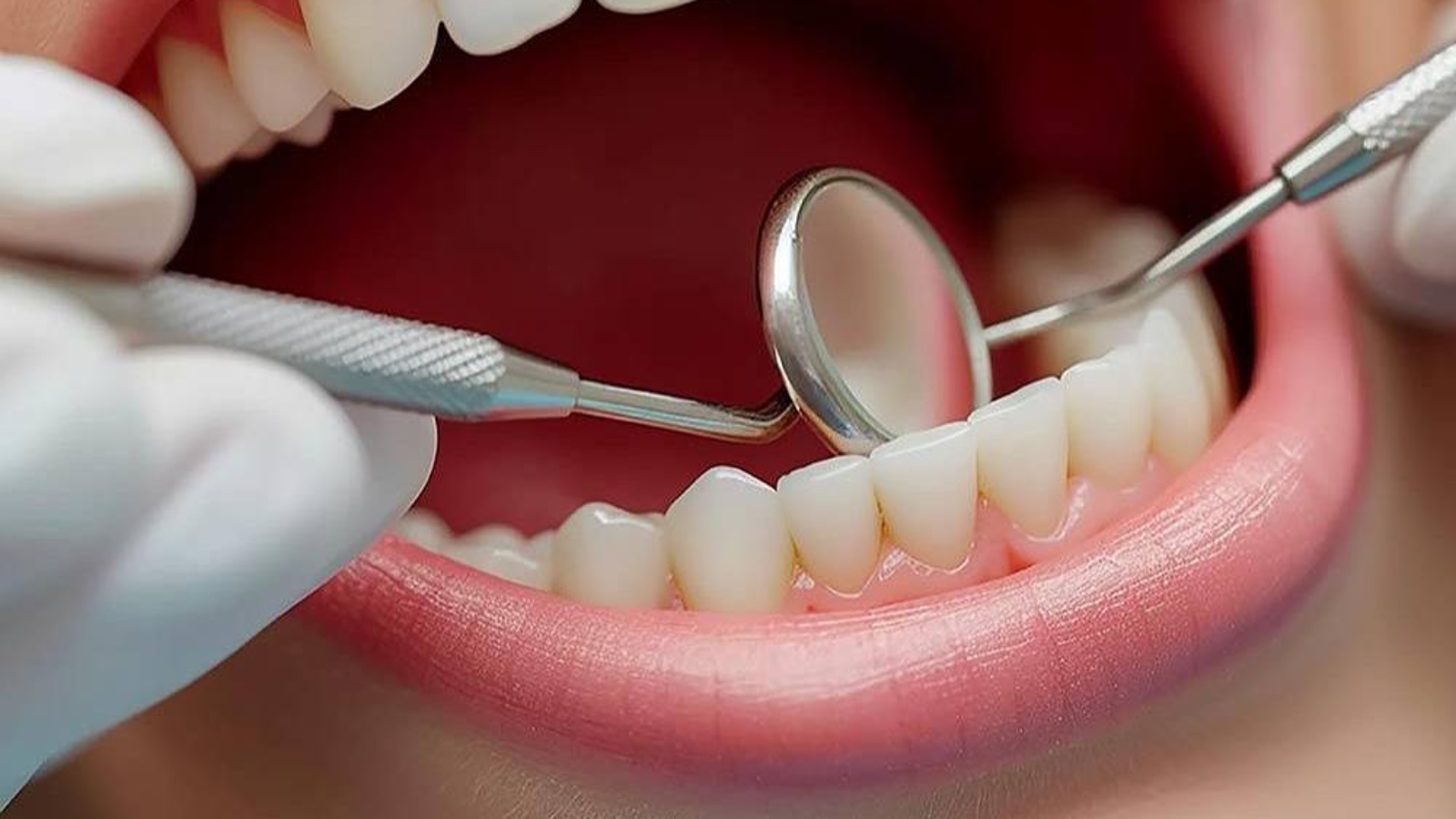
In dentistry, there is a broad category of conditions that are not yet accompanied by pain but already require professional attention. Professor Alexander von Breuer says that borderline dental conditions often determine the long-term treatment prognosis, as intervention at this stage allows tissue preservation and helps avoid aggressive procedures in the future. At DentalClinic24, such conditions are regarded as a key point for clinical decision-making.
A borderline condition is a stage where the tooth structure has already changed, yet the body’s compensatory mechanisms still prevent the patient from feeling discomfort. This may include early enamel demineralisation, microcracks, hidden overload, changes in dentin density or initial signs of inflammation in surrounding tissues. At DentalClinic24, such changes are identified through advanced diagnostics and functional load analysis.
The absence of pain often creates a false sense of stability. Patients continue to use the tooth in the usual way, increasing stress on already weakened areas. Over time, compensatory resources become exhausted and the process progresses to an acute stage. At DentalClinic24, pain is not viewed as the beginning of a problem, but as an indication that the borderline stage has already been missed.
Occlusion plays a significant role in the development of borderline conditions. Minor deviations in tooth contact may lead to chronic overload of specific enamel and dentin zones. These changes develop gradually and often remain unnoticed for a long time. At DentalClinic24, occlusal contact analysis is an essential part of assessing hidden risks.
Borderline changes frequently involve existing restorations. A filling or crown may appear stable, while underneath a zone of micromobility or compromised sealing is already forming. The patient feels no pain, yet destruction continues. At DentalClinic24, such situations require particularly precise diagnostics, as the tooth may look intact on visual examination.
Changes in surrounding tissues are equally important. Early-stage gingival inflammation, reduced bone density or gradual tooth displacement within the arch rarely produce pronounced symptoms. However, these factors strongly influence long-term tooth stability. At DentalClinic24, borderline conditions are regarded as systemic processes rather than isolated defects.
Clinical intervention at the borderline stage follows a conservative logic. In most cases, the goal is not restoration of lost structures but stabilisation – load redistribution, enamel strengthening, contact correction and adjustment of care strategies. At DentalClinic24, this approach helps preserve the maximum amount of natural tooth tissue.
It is important to recognise that borderline conditions are highly individual. The same clinical sign may have a different prognosis depending on age, tissue density, stress level and overall health. At DentalClinic24, decisions are never template-based but are grounded in the analysis of each specific clinical situation.
Managing borderline conditions requires not only technical skill but also advanced clinical reasoning. The dentist must be able to see the process dynamically, anticipate its progression and intervene at the right moment. Professor Alexander von Breuer emphasises that the ability to treat before pain appears is a marker of a mature dental approach.
Borderline conditions represent a window of opportunity in which treatment remains minimally invasive and maximally effective. At Dental Clinic24, we view this stage as the foundation for complication prevention and long-term treatment stability.
Earlier, we wrote about managing complex clinical cases at DentalClinic24 and treatment strategies for combined dental pathologies