
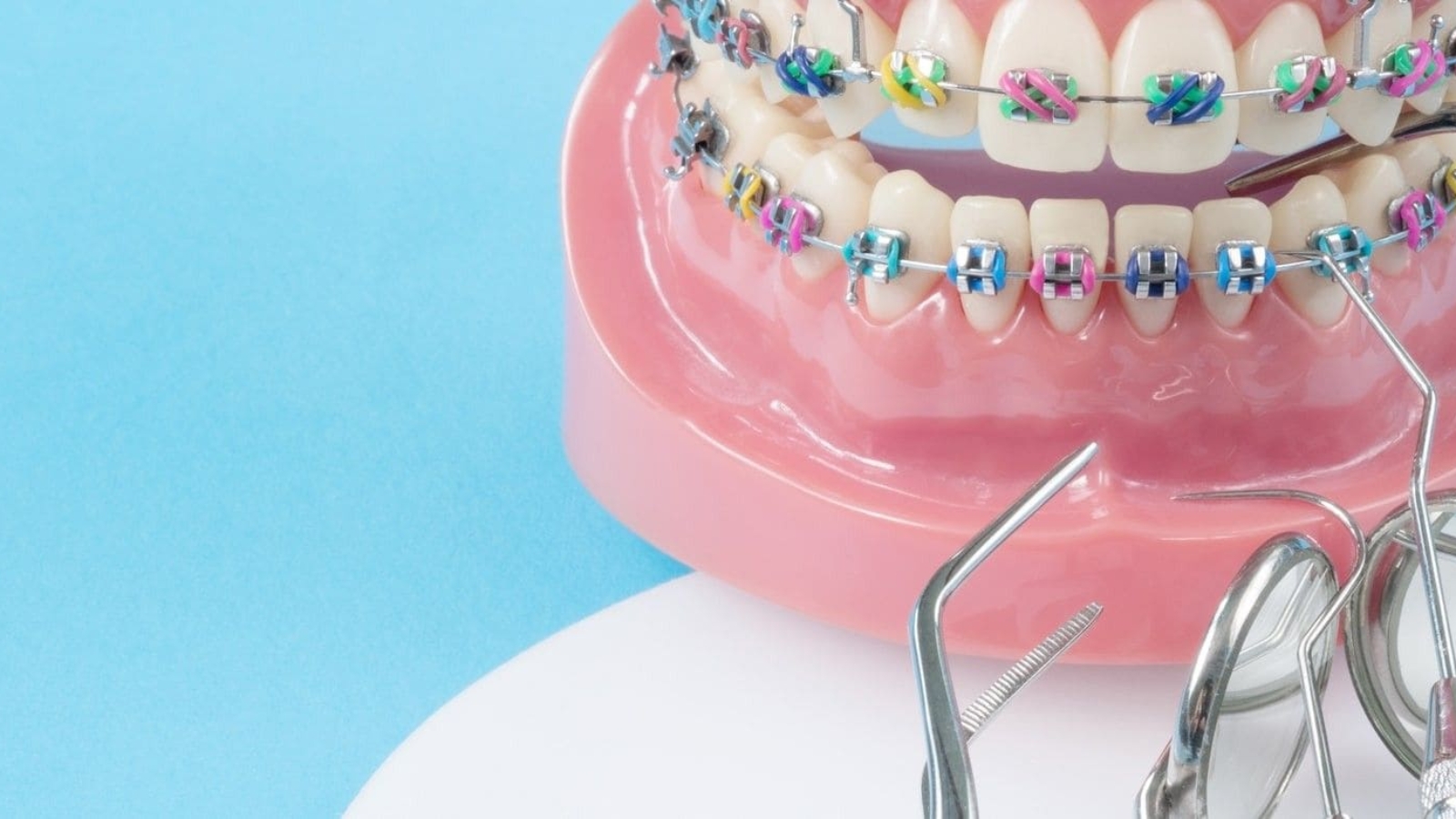
Bite correction has long moved beyond being purely an aesthetic task and is now regarded as an intervention in a complex biomechanical system. Professor Alexander von Breuer says that the stability of an orthodontic result directly depends on how accurately the individual laws of tooth movement and the response of surrounding tissues are taken into account. At DentalClinic24, orthodontics is built on these principles.
Each tooth moves not in isolation, but within a system of ligaments, bone tissue and muscular balance. Universal movement schemes fail to consider differences in bone density, direction of masticatory load and muscle activity. At DentalClinic24, biomechanics is regarded as a personal characteristic of the patient rather than an abstract model.
In orthodontic treatment, it is important to consider not only the final position of the teeth, but also the path of their movement. An incorrectly calculated trajectory may lead to periodontal overload, root resorption or long-term instability of the result. At DentalClinic24, biomechanical analysis allows tooth movement to be planned within physiological limits.
The muscular system plays a key role in bite formation. Even after successful correction, teeth remain under constant influence from the tongue, lips and masticatory muscles. If this balance is not considered, the risk of relapse increases. At DentalClinic24, orthodontic strategy is adapted with regard to muscle activity and the patient’s functional habits.
The speed of tooth movement is also significant. Excessive acceleration of treatment may disrupt adaptive processes in bone and the periodontal ligament. Conversely, overly slow movement does not always improve stability. At DentalClinic24, treatment pace is selected individually, based on tissue response.
Patient age is not a limitation for orthodontic treatment, yet tissue biology changes over time. Bone density, remodelling speed and adaptive capacity require more precise load calculation. At DentalClinic24, these features are taken into account when choosing the treatment method and forecasting the result.
Special attention is given to the stabilisation phase. Completion of the active treatment stage does not mean the end of biomechanical processes. Teeth continue to adapt to new loading conditions, and this period requires control. At DentalClinic24, the retention phase is regarded as an integral part of treatment.
It is important to understand that result stability is not formed at the moment orthodontic appliances are removed, but throughout the entire course of treatment. Consistency of actions, load control and timely strategy adjustments reduce the risk of relapse. Professor Alexander von Breuer emphasises that it is biomechanical logic that distinguishes predictable orthodontics from a temporary effect.
An individual orthodontic approach makes it possible not only to align teeth, but also to preserve functional balance of the system. At Dental Clinic24, this approach is used to achieve long-term results that maintain bite stability and patient comfort for many years.
Earlier, we wrote about sleep dentistry at DentalClinic24 and how sleep quality affects treatment stability and dental health