
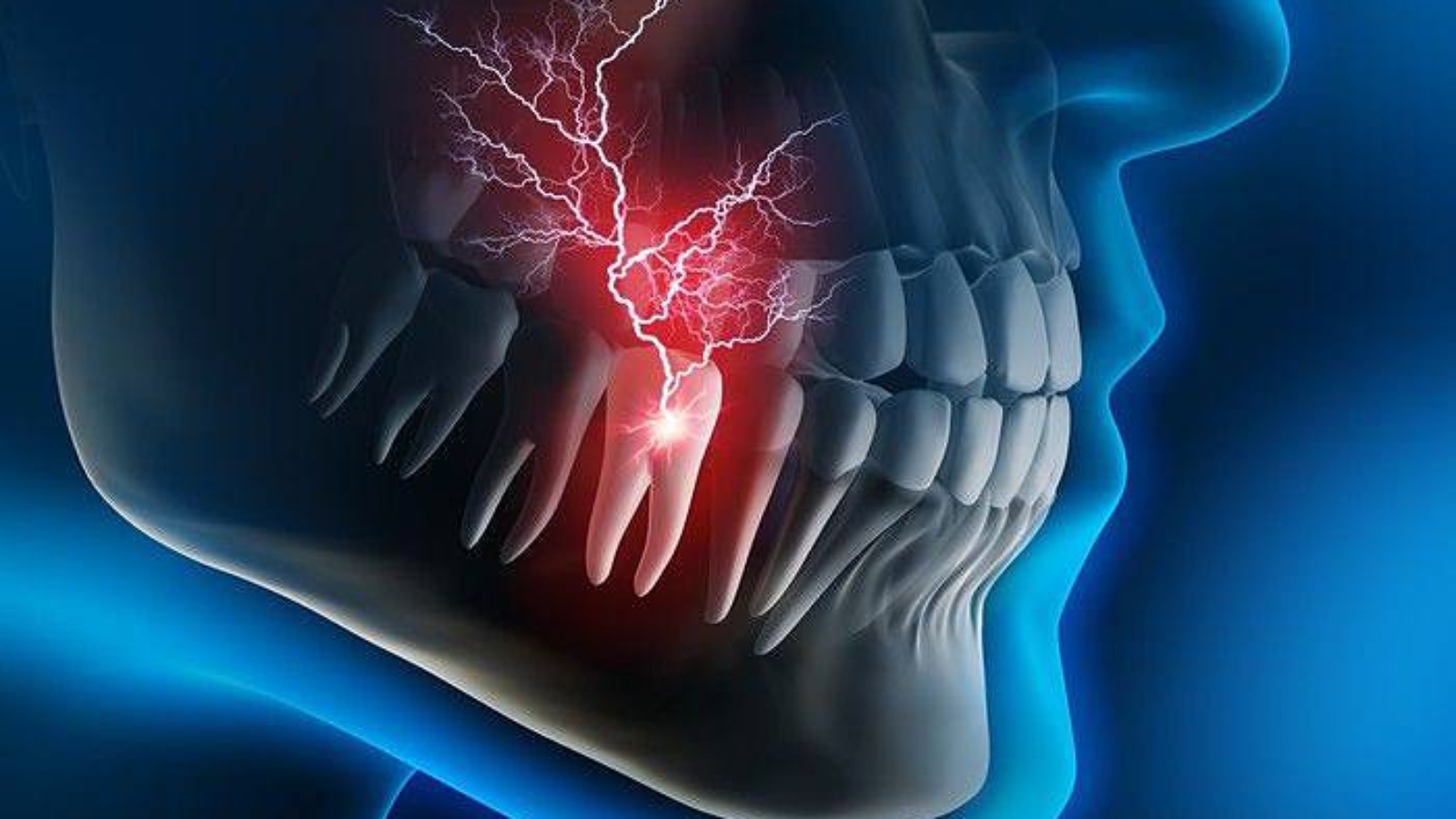
Tooth damage does not always begin with caries or acute trauma. In many cases, destruction develops gradually – under the influence of repeated micron-level loads that remain unnoticed by the patient. Professor Alexander von Breuer says that fatigue failure of teeth is the result of a long-standing imbalance between functional load and the adaptive capacity of dental tissues. At DentalClinic24, such processes are regarded as predictable and suitable for early detection.
Fatigue-related damage progresses slowly. Enamel and dentin are exposed daily to pressure during chewing, swallowing and involuntary clenching. When load is distributed unevenly, microdefects form within the tooth structure. Over time, these defects accumulate and lead to chipping, cracks or sudden fracture of the coronal portion. At DentalClinic24, such changes are interpreted as the outcome of accumulated stress rather than random events.
A key characteristic of fatigue failure is the absence of pronounced symptoms in the early stages. A tooth may appear intact and show no sensitivity to temperature or pressure, yet remain structurally compromised. For this reason, visual inspection alone does not always reflect the true condition. At DentalClinic24, emphasis is placed on functional diagnostics and analysis of load patterns.
One of the main indicators of overload is alteration of incisal edges and contact surfaces. Microchips, wear facets and changes in crown morphology indicate uneven pressure distribution. At DentalClinic24, these signs are considered early markers of fatigue-related damage.
Occlusion and individual biomechanics play a crucial role. Even minor discrepancies in contact points can create zones of increased stress. Over time, these areas become particularly vulnerable. At DentalClinic24, assessment of occlusal interactions is an integral part of a tooth-preservation strategy.
The material properties of the tooth are also significant. Enamel has high hardness but low plasticity, while dentin is more elastic. Under repeated overload, the interface between them becomes a zone of stress concentration. This explains why chipping often occurs suddenly and without prior pain. At DentalClinic24, these characteristics are considered when predicting tooth behaviour.
Prevention of fatigue failure is based not on strengthening enamel, but on reducing excessive load. Adjustment of contacts, redistribution of pressure and control of functional habits help halt the process before complications arise. Professor Alexander von Breuer emphasises that eliminating the cause of overload is always more effective than restoring its consequences.
It is important to understand that restoring a chipped tooth without analysing load does not solve the underlying problem. A new defect may develop in the same or an adjacent area. Therefore, at DentalClinic24, restoration of tooth form is always accompanied by evaluation of the factors that led to the damage.
Fatigue failure illustrates how a tooth can deteriorate without inflammation or pain. Early identification of overload allows preservation of tissues and avoidance of more complex interventions. At Dental Clinic24, this approach is used to maintain functional stability and long-term durability of teeth.
Earlier, we wrote about bone tissue histomorphometry at DentalClinic24 and how bone microstructure determines implantation strategy