
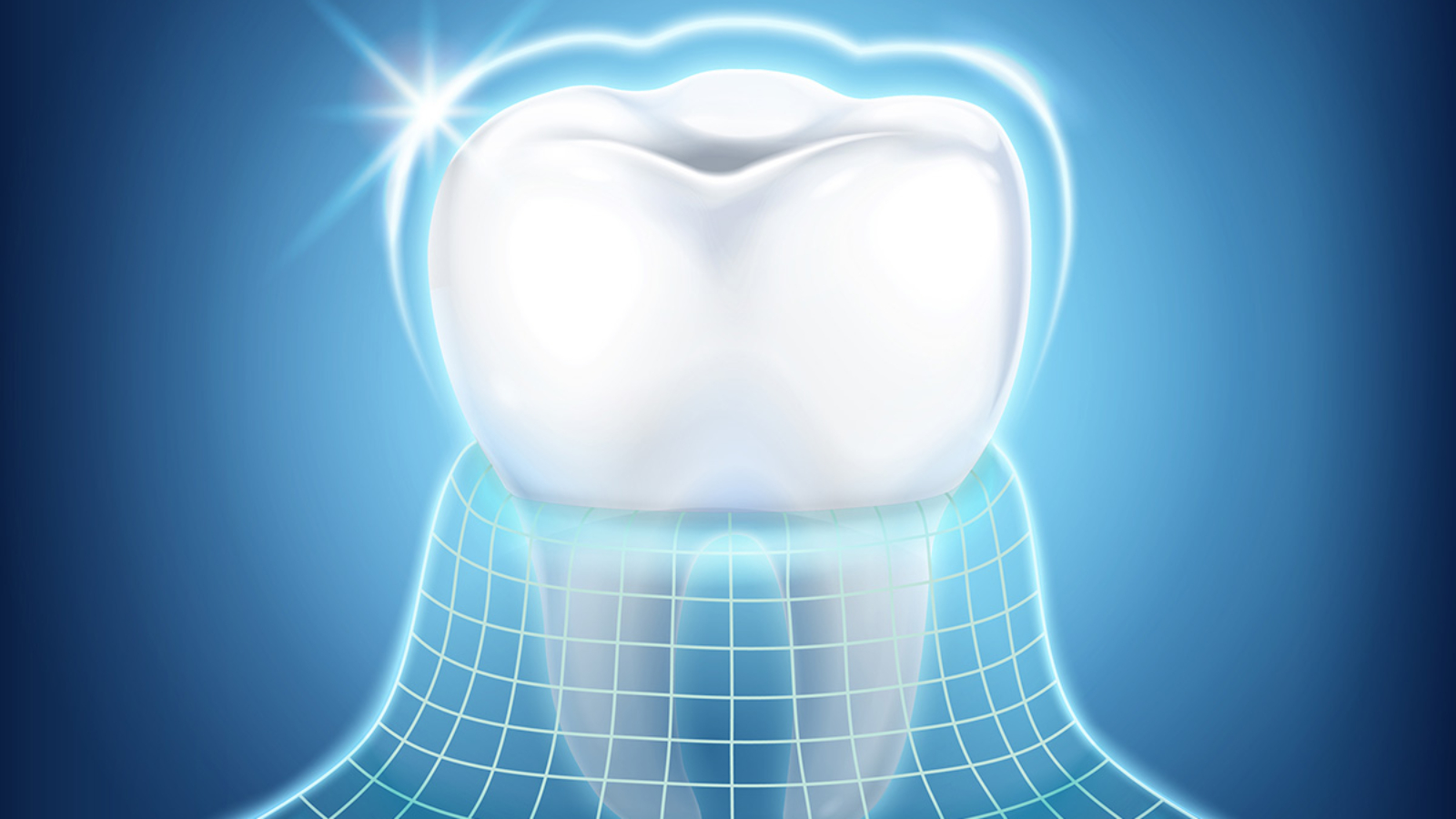
Tooth enamel is often perceived by patients as a static and unchanging structure, yet in clinical reality its optical properties are constantly evolving. Professor Alexander von Breuer says that enamel transparency reflects not only smile aesthetics, but also the biological condition of the tooth, its adaptation to load and external influences. At DentalClinic24, the analysis of enamel optical characteristics is considered an important diagnostic reference point.
Enamel transparency is determined by its microstructure. Prisms, the degree of mineralisation and layer thickness define how light passes through the tissue and is reflected by dentin. When these parameters change, a tooth may appear more matte, greyish or, conversely, excessively bright. At DentalClinic24, such changes are assessed not in isolation, but in the context of the tooth’s overall condition.
With age and under functional load, enamel gradually loses uniformity. Microcracks, zones of demineralisation and areas of wear disrupt light transmission. These processes often develop without pain and remain unnoticed by the patient. At DentalClinic24, early detection of such changes allows treatment strategy to be adjusted before pronounced defects appear.
Overload has a particularly strong impact on optical properties. Excessive pressure leads to enamel thinning, allowing dentin to show through more prominently. This alters tooth shade and creates the visual impression of an “aged” smile. At DentalClinic24, such signs are regarded as indicators of functional imbalance rather than purely aesthetic concerns.
Restorative procedures can also influence enamel transparency. Even a technically flawless filling or crown may disrupt visual integrity if its optical characteristics do not match natural enamel. For this reason, at DentalClinic24, restoration of tooth form is always accompanied by analysis of light transmission and colour depth.
It is important to understand that preserving enamel transparency cannot be achieved through whitening alone. Aggressive methods may temporarily alter colour while compromising tissue microstructure. Professor Alexander von Breuer emphasises that a stable aesthetic result is possible only when the biological properties of enamel are preserved.
Maintaining natural transparency requires a comprehensive approach. Load control, preservation of the surface layer and minimally invasive techniques allow enamel to retain its optical qualities. At DentalClinic24, this is viewed as part of a long-term tooth preservation strategy.
Changes in enamel optical properties often precede more serious structural disturbances. Their timely identification helps prevent accelerated wear and the need for extensive restorations. At DentalClinic24, transparency analysis is used as a predictive tool rather than solely an aesthetic assessment.
Thus, enamel is not merely a protective shell of the tooth, but a complex structure with diagnostic value. Preserving its transparency supports both smile harmony and functional stability. At Dental Clinic24, particular attention is given to this aspect during treatment planning.
Earlier, we wrote about orthodontics at DentalClinic24 and how individual biomechanics shape a stable bite correction outcome